

I've created numerous designs for small bedrooms, home offices, and studios where the perfect ceiling fan is more than just a means to circulate air. It enhances the environment, reduces clutter, and complements lighting arrangements. In compact areas, the balance of size and airflow is critical. A well-proportioned fan can create a wind-chill effect that makes a room feel 2–4°F cooler, effectively alleviating heat without an overabundance of cooling. Research from Steelcase indicates that thermal comfort significantly affects productivity and satisfaction in workplaces, with factors like temperature and airflow being key comfort priorities (Steelcase Workplace Research). Furthermore, WELL v2 emphasizes the importance of thermal comfort and acoustics as essential features, setting benchmarks for sound levels and occupant control—both of which are essential when choosing quiet, multi-speed fans. For those looking to visualize their spaces, tools like Homestyler can assist in layout design and fan placement.
It's essential that blade span and mounting height are proportionate to the volume of the room to ensure efficient air movement. For areas up to 100 square feet, a fan with a 36–44 inch blade span generally provides a balanced airflow without overpowering the ceiling space. According to Herman Miller research, having local control over fan settings such as speed and direction significantly enhances user comfort, stressing the importance of fans with reversible motors and multiple speeds—particularly in bedrooms, where gentle, low-RPM airflow helps prevent disruptions during sleep.
Determining the Right Ceiling Fan Size for Small Spaces
• For rooms up to 75 square feet, opt for a fan with a blade span of 28–36 inches.
• For spaces between 76 and 100 square feet, select a fan with a blade span of 36–44 inches.
• Maintain a minimum of 7 feet clearance from the floor to the blades. For 8-foot ceilings, use flush-mount (hugger) fans; for 9-foot ceilings, install a short downrod to optimize airflow.
• Aim for airflow between 2,000 and 4,000 CFM for small rooms; prioritize efficient motors and blades with a pitch of 12–15° for quiet operation at lower speeds.
Design and Mounting Tips
Position the fan centrally within the primary area—be it a bed, desk, or seating—to ensure even airflow and prevent shadows. Maintain a distance of 18–24 inches from walls or tall furniture to minimize turbulence. If you're reconfiguring a compact studio or shared office, employing a room layout tool like Homestyler can help establish clearances, lighting overlaps, and door swing issues prior to installation.
Silent Operation and Acoustic Comfort
In small spaces, mechanical noise can be amplified. Therefore, seek out ceiling fans with DC motors, as they are generally quieter and consume less energy than standard AC motors. WELL v2 recommends low background noise levels; for bedrooms and study areas, a fan operational at less than 40 dB on medium speed enhances focus and relaxation. Using rubber isolation in mounting hardware along with balanced blades helps reduce noise and vibration.
Visual Aesthetics and Balance
In compact areas, it's essential to keep visual elements minimal. Fans with slim profiles or three-blade systems with clean edges maintain a serene ceiling appearance. Selecting a fan color that blends with the ceiling can create a visually discrete look; alternatively, choose wood veneer that harmonizes with your flooring for a focal point. Color schemes suggest cool neutrals can help tone down visual heat, while warm wood tones introduce comfort without adding bulk. Ensure ceiling lines remain uncluttered by using one fan, a single central light, and supplementary lamps for specific tasks.
Light Integration: Fans with LED Kits
Fan-light combinations are an excellent choice to consolidate fixtures in smaller rooms. Aim for dimmable LED lights with a high Color Rendering Index (CRI of 90+) in the range of 2700–3000K for bedrooms and 3000–3500K for home offices to balance comfort with alertness. Prevent glare with frosted diffusers and side-emitting lenses. According to the Illuminating Engineering Society, task lighting should reach approximately 300–500 lux for desk jobs; thus, ensure the light from the fan complements a desk lamp rather than attempting to fulfill both functions alone.
Ideal Types of Ceiling Fans for Limited Spaces
• Flush-Mount Fans: Perfect for 8-foot ceilings; these reduce visual clutter while ensuring proper blade clearance.
• Compact DC Motor Fans: Known for their efficiency and quiet operation, these feature reversible direction and fine speed control.
• 3-Blade Aerodynamic Fans: Designed for lower drag and smoother airflow, providing a modern aesthetic.
• Low-Profile Fans with Integrated LED: Save ceiling space while including high-CRI, dimmable modules for flexibility.
• Convertible Direction Fans: Operate in forward mode for cooling during summer and reverse mode to gently circulate warm air in winter without drafts in smaller spaces.
User-Friendly Ergonomics
Having remote or wall controls with distinct speed options allows for tailored airflow according to activities—be it reading, sleeping, or working intently. Mount wall controls near entry points, away from easily reachable furniture to prevent unintentional adjustments. Explore smart scheduling options: a slow, overnight fan setting in bedrooms can help with air freshness, while a quick boost before working at a desk provides alertness without overcooling.
Ceiling Height, Beams, and Hindrances
For older homes with beams or sloped ceilings, angle-mount kits should be used, keeping blades at a minimum of 7 feet from the floor and 6–8 inches below the ceiling for optimal air intake. Position the fan centrally within the highest pitch of a sloped ceiling to ensure symmetrical airflow. Compact rooms that feature loft beds might require ultra-low-profile units with guarded blade edges to ensure safety.
Material Choice and Sustainability
Select durable materials—choose powder-coated steel for the fan housing, ABS blades for humid settings (if rated), and sealed wood veneers suitable for bedrooms. Opt for energy-efficient DC motors to decrease power consumption, and LED modules to lengthen replacement intervals. Where applicable, favor replaceable LED engines for future maintenance ease.
Fan Placement Strategies for Small Bedrooms and Offices
• In Bedrooms: Center the fan above the bed with blade tips positioned at 20–24 inches from walls, using lights in the 2700–3000K spectrum, and enabling a gentle overnight speed.
• In Home Offices: Place the fan over the desk area or slightly off-center to prevent paper movement; use light in the 3000–3500K range with medium speed during the day.
• In Studios: Balance airflow between the sleeping and seating areas; utilize an interior layout planner like Homestyler to test placements before committing to electrical rough-ins.
Must-Have Features
• DC motor allowing for reversible settings
• Multiple speed settings and the presence of a true low speed
• High-CRI, dimmable LED lighting (between 2700–3500K)
• Flush-mount or short downrod options available
• Aerodynamically designed blades with a pitch of 12–15°
• Quiet operation with vibration isolation technology
• Simple maintenance, featuring wipeable finishes and accessible LED modules
Installation Guidelines
Always install ceiling fans using rated junction boxes instead of standard light fixtures. Confirm the weight requirements and clearances for the blade radius. Balance the blades post-installation to avoid wobbling, and ensure the reverse function operates correctly without scraping against walls or beams.
Frequently Asked Questions
The standard size is typically between 36 and 44 inches. If the space is compact, leaning toward 36–42 inches is advisable to minimize turbulence.
Yes, fans equipped with DC motors tend to be quieter, allowing for more precise speed control and lower energy consumption—ideal for bedrooms and work-focused areas.
For small spaces, airflow rated between 2,000 and 4,000 CFM is generally adequate. Matching airflow patterns with a true low speed prevents nighttime drafts.
Not always necessary. If layered lighting is already installed, a fan without a light keeps the ceiling looking cleaner. When combined functionality is needed, opt for a high-CRI, dimmable LED kit between 2700–3500K.
Absolutely. Use the reverse mode at low speed to gently push warm air downward without creating a draft, making it effective for small, higher spaces.
Select fans with DC motors, balanced blades, and anti-vibration mounts; ensure that blade tips are clear of walls and tall furniture to avoid disruption.
Employ a flush-mount fan to maintain at least a 7-foot minimum clearance from floor to blade, preferring compact options for aesthetic purposes.
Not necessarily. While 3-blade fans tend to deliver smoother airflow with less visual bulk, the performance is contingent on motor quality and blade pitch.
For a cohesive minimalistic aesthetic, match the color of the fan to the ceiling. If warmth is desired, select light wood hues that reflect the flooring. Adjust contrast levels to reduce visual clutter in small rooms.
Place controls near entryways and away from swinging furniture to avoid unintentional adjustments; ensure that they are within easy reach without crossing the room.
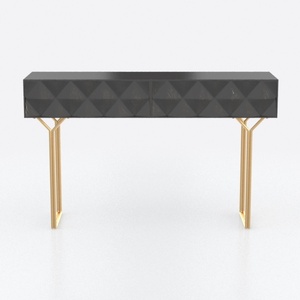
Ameriwood Home Serenity Computer Desk, Graphite Gr
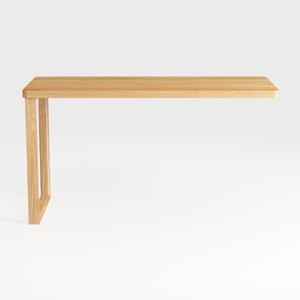
ZQQLVOO Writing Computer Desk,Home Office Desk,Hom
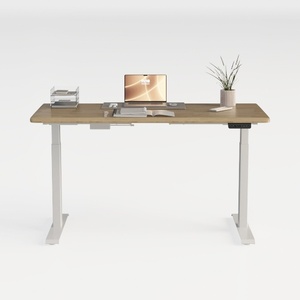
Adjustable Stand Up Desk with Memory Preset
Homestyler is your ultimate online home design companion! With its user-friendly design tool, stunning 3D renderings, and a rich library of DIY video tutorials, it's perfect for unleashing your creativity. Transform your space effortlessly and explore endless design possibilities today!
Design Now for FREE
































