


I appreciate how a small, round glass coffee table can effortlessly brighten a space while providing a focal point for conversation areas. Its slender profile facilitates smooth movement, and the reflective surface acts as a sharp contrast to softer furniture. In smaller living rooms, I prefer round glass options because they ease the flow of traffic and minimize corner conflicts—making them a practical choice for those navigating between a sofa, lounge chair, and media area.
When it comes to scale, it’s crucial to consider proportion. A good rule of thumb is to select a table height that is similar to the seat height of your main sofa, typically ranging from 16 to 18 inches. Research from Steelcase highlights that surfaces positioned within easy reach can alleviate micro-strain, encouraging a more relaxed posture during casual gatherings or work. Maintaining about 18 inches from the table's surface to the edges of the seats can minimize stretching and fidgeting. Furthermore, the WELL v2 framework emphasizes accessibility and unobstructed pathways, ideally preserving a 36-inch width for key circulation routes.
Equilibrium, Proportion, and Clearances
With round tables, I ensure the diameter aligns with the seating arrangement. For most compact living spaces, a diameter of 28 to 34 inches is optimal; this configuration maintains a comfortable gap of 16 to 18 inches from seat fronts and a clearance of 30 to 36 inches around the edges for ease of movement. If your sofa measures less than 80 inches, I recommend avoiding tables larger than 34 inches to prevent a cramped atmosphere. Providing sufficient space isn’t merely for aesthetics—it’s a decision rooted in user comfort that helps avoid accidental bumps and enhances everyday flow.
Light Reflection and Glare Management
As glass is reflective, I pay special attention to glare during the day and light levels in the evening. The Illuminating Engineering Society advises employing layered lighting alongside suitable luminance ratios to mitigate excessive reflection; for instance, combining a glass tabletop with matte nearby surfaces (like a wool rug or textured upholstery) can help balance visual contrast. In the evenings, aim for an ambient light level around 150 to 300 lux, and consider adding a 2700 to 3000K table lamp to create warmth in reflections; task lamps with a higher color temperature (3500K to 4000K) should be shielded to prevent glare on the glass. If you have west-facing windows that create overwhelming afternoon reflections, using sheer curtains can help diffuse light while retaining brightness.
Material Combinations That Enhance Glass
The base material significantly sets the tone. A brushed brass pedestal offers a subtle glow and pairs beautifully with bouclé or velvet, providing a touch of luxury. On the other hand, a black powder-coated steel base appears modern and sharp, especially when combined with charcoal rugs and light-colored oak floors. A natural ash or walnut tripod base introduces warmth that balances the coolness of glass; when possible, I opt for FSC-certified woods. For breezy or coastal designs, a white-lacquered drum base keeps appearances crisp and seamlessly integrates the glass with lighter interiors.
Top Choices: Clear, Low-Iron, or Tinted Glass
Clear tempered glass proves to be the most adaptable option; low-iron glass eliminates the green tint for a clearer, brighter appearance—especially important when color precision is vital. Light grey or bronze tint can introduce ambience and help downplay visual distractions from patterned rugs below. For small tables, I typically recommend a thickness of 10 to 12 mm for tempered glass; thinner options may feel fragile under the weight of books and trays, while thicker alternatives might seem cumbersome. A softly beveled edge not only enhances tactile safety but also elevates the overall finish.
Creating a Stylish Surface: Layering Without Clutter
I prefer a simple trio of items: a low-profile tray (in leather or matte lacquer) for controlling remotes, an eye-catching sculptural piece for height, and a small floral arrangement or branch to introduce life. Research into color psychology indicates that maintaining a restrained color palette promotes tranquility; hues like blue and green encourage relaxation—consider incorporating a smoky green vase or a soft blue ceramic piece as accents. If you have a busily patterned rug beneath, keep your styling minimal to reduce visual distraction through the glass. In intricately designed spaces, a translucent tray can help unify accessories without adding heaviness.
Layouts Promoting Smooth Flow
Round tables are ideal for compact areas and corner setups. They should be positioned to allow smooth circulation around them rather than creating sharp intersections with corners. When planning arrangements, I often simulate reach zones and walking paths using digital tools before making final adjustments. If you want to preview the spacing between seats, utilizing a room layout tool like Homestyler can assist in measuring the 16 to 18-inch reach to sofa fronts while ensuring 30 to 36 inches of movement pathways are preserved.
room layout tool
Combination Ideas for Smaller Spaces
• Sofa + single lounge chair: A round glass table measuring 28 to 30 inches allows for a flexible composition; consider adding a slender side table by the chair to distribute surfaces effectively.
• Loveseat + two accent chairs: A 30 to 32-inch table can serve as a centerpiece for the grouping, with chairs positioned 15 to 18 inches from the edges for easy conversation.
• Sectional with chaise: Position a 32 to 34-inch round table near the internal corner; ensure the tip of the chaise maintains a 12 to 14-inch clearance for comfortable access.
Rugs and Their Foundation
A small round glass table is best complemented by a rug that visually anchors it. If the rug features a prominent design, opting for a low-iron glass top helps prevent color distortion. For sound absorption, a densely woven wool pile minimizes the sound of clinking glassware and enhances perceived comfort by mitigating high-frequency echoes. Ensure the rug is at least 6 to 8 inches beneath the front legs of the seating to create a cohesive zone.
Color Tactics and Atmosphere
Glass reflects surrounding colors beautifully. I often curate a palette encompassing one warm metallic tone (like brass or bronze), one cool shade (soft grey or slate), and a natural element (wood), achieving a balanced three-part mix. For more dynamic spaces, consider introducing a small accent—a cobalt book spine or a terracotta bowl—while keeping the majority of items low-contrast to avoid overwhelming reflections.
Safety, Longevity, and Upkeep
It’s crucial to select tempered glass with smooth, polished edges. For homes with children, laminated glass is a wise choice for enhanced safety, as it remains intact even if shattered. Utilize felt pads beneath sculptural objects to avoid micro-scratches. A weekly routine of cleaning with an alcohol-free glass cleaner and a microfiber cloth prevents haze; avoiding ammonia is recommended when wooden bases are in play. Coasters with soft backing are also effective at preventing ring marks and minimizing noise.
Versatile Living: Work, Coffee, and Conversation
In settings where the coffee table might also support a laptop, it’s important to manage glare with a matte tray as a working surface. Findings from Steelcase regarding posture and casual collaboration indicate that low, easily reachable surfaces enhance comfort during brief bouts of focused work; keep sessions limited at a low table to prevent neck strain and transition to a proper desk for more extensive tasks.
Emerging Trends in Design (2024–2025)
Currently, I’m observing a rise in leaner pedestal bases, organic pebble-like designs, and mixed-media combinations—where glass is layered over stone or wooden bases. Smoke-tinted glass coupled with warm walnut tones aligns with the wider trend toward tactility and atmosphere. Low-iron glass edges remain favored in minimalist settings, whereas tonal bronze glass complements more dimly lit, lounge-oriented spaces. Compact nesting tables—one in glass and one solid—provide versatility without overwhelming visual space.
Adjustment and Placement Details
Prior to finalizing placement, it's advisable to test out walking paths at a normal pace. You should be able to set a beverage down without twisting your body—consider it elbow-friendly reach. Align the table’s center with the midpoint of seating to preserve a balanced conversational setup. If a fireplace or media wall is present, begin by centering it with the seating arrangement, then make slight adjustments to ensure optimal sightlines and prevent direct glare from screens.
Frequently Asked Questions
A diameter between 28 to 34 inches is typically best. It’s important to correlate the table size with your seating layout while ensuring approximately 30 to 36 inches for circulation around the group.
An ideal reach is between 16 to 18 inches from the front of the sofa to the edge of the table, which helps prevent overstretching during casual interactions.
Low-iron glass minimizes green tint, thus preserving the accurate colors of the rug underneath the table.
Implement a combination of ambient and task lighting, keeping the evening ambient light level around 150 to 300 lux, and using 2700 to 3000K lamps; brighter task lights should be shielded to avoid hotspots.
Round tables effectively soften walking paths and lessen the risk of corner collisions, making them ideal for smaller rooms and diagonal walking routes.
Brushed brass can introduce warmth, while black powder-coated steel provides modern clarity, or choose walnut or ash for a natural touch. Select finishes that harmonize with nearby hardware and wood tones.
For smaller tables, a thickness of 10 to 12 mm for tempered glass ensures durability without feeling hefty. Incorporate a gentle bevel for safety and a refined aesthetic.
Yes, they are suitable for short work sessions. Employ a matte tray to reduce reflections and ensure reach stays comfortably within limits; switch to a full desk for more prolonged tasks to safeguard posture.
A light grey or bronze tint adds atmosphere but remains see-through. Pair with warm ambient lighting and matte textures to maintain a well-balanced scene.
Dense wool or textured flatweave rugs create a grounded feel and enhance acoustic comfort. Ensure the rug extends at least 6 to 8 inches beneath the front legs of seating.
Originally incubated at Autodesk, Homestyler has grown into one of the most widely adopted home design platforms in the world, now trusted by over 18 million users. Whether you're a homeowner exploring ideas or a professional designer delivering client-ready renders, Homestyler brings industry-leading 3D technology to your fingertips — no experience required.
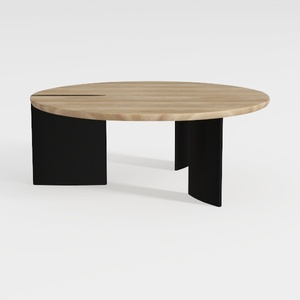

Minimalist Solid Wood Round Coffee Table With Black Metal Legs 3D Model

Minimalist Solid Oak Round Nesting Coffee Tables 3D Model

Minimalist Solid Wood Rattan Double Tier Coffee Table 3D Model
Homestyler is your go-to online home design platform, perfect for both beginners and seasoned designers. Its user-friendly design tool, stunning 3D renderings, and extensive DIY video tutorials make transforming your home ideas into reality a breeze. Start designing today!
Design Now for FREE
































