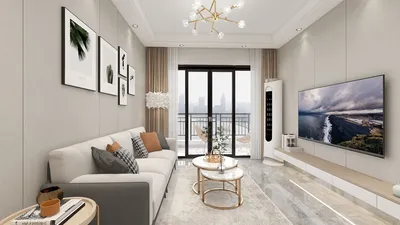


I’ve often relied on brown curtains across numerous living rooms; they serve as understated champions of warmth and visual equilibrium. The earthy spectrum of brown—from camel and caramel to cocoa and espresso—anchors a room, alleviates harsh daylight, and complements both contemporary and traditional settings. In areas where a cozy yet sophisticated ambiance is desired without overwhelming visual elements, brown drapery is typically my initial recommendation. Additionally, utilizing the Homestyler design tool can help visualize how these colors fit into your space.
Comfort transcends mere perception; it’s quantifiable. The WELL v2 standard emphasizes glare regulation and balanced daylight as fundamental factors contributing to visual comfort, noting that reducing excessive brightness at windows significantly enhances occupant satisfaction (WELL v2: Light). Research from Steelcase connects well-designed environments with enhanced engagement, highlighting how environmental factors—like color warmth, light distribution, and sound absorption—influence behavior. These concepts easily apply to residential living rooms, where creating a restorative and inviting atmosphere is essential.
The psychology of color aligns with my experiences on projects: Verywell Mind indicates that brown symbolizes stability, dependability, and a sense of grounding—all qualities that evoke feelings of safety. When combined with various textures—such as linen, velvet, or wool—brown curtains not only convey warmth but also provide acoustic and visual softness. This calming sensation contributes to creating more functional living areas for activities like chatting, reading, and watching media.
The Case for Brown: Tone, Texture, and Tactility
Brown acts as a neutral with character. Light camel shades enhance Scandinavian schemes and sunlit spaces; medium mocha tones anchor transitional areas; deep espresso adds dramatic flair against lighter walls or soft stone. The texture is equally important: a textured linen creates a light, relaxed feel, while cotton twill offers a tailored appearance, and low-sheen velvet adds subdued luxury without causing glare. Personally, I opt for matte finishes to minimize reflections at night.
Daylight, Glare, and Viewing Comfort
Living rooms must balance conflicting needs—natural light during the day and minimal glare for screens. According to IES guidelines, it's recommended to manage brightness ratios to prevent discomfort glare; full-length brown curtains with textured weaves can diffuse daylight while reducing luminance contrast on window walls. In media spaces, complement brown drapery with a dimmable 2700–3000K lighting arrangement to maintain circadian-friendly warmth while alleviating eye strain.
Material Selection and Sustainability
Ethics in material selection are crucial. Seek OEKO-TEX certified cotton or linen, recycled polyester blends, or wool from responsible sources. Heavier materials enhance sound absorption; a lined, mid-weight brown curtain can greatly decrease reverberation in living rooms with hard surfaces, thereby increasing speech clarity. Avoid high-gloss synthetic fabrics, as they amplify highlights and can appear cold against warmer palettes.
Style Pairings: From Modern Minimal to Classic
Brown curtains easily adapt to various styles. In minimalist settings, a solid camel flat-panel track keeps the lines sharp; transitional rooms gain from pleated mocha drapes with discreet hardware. Classic spaces feature espresso velvet curtains paired with antique brass rods and subtle piping. Additionally, brown acts as a bridge color, grounding monochrome schemes and harmonizing with warm metals like brass and bronze without feeling overpowering.
Balance with Wall Colors and Floors
Brown pairs most effectively with well-considered wall finishes. Soft tones like cream, warm white, and taupe create gentle contrasts with mid-tone drapes; cooler grays may necessitate richer browns (like cocoa) to prevent a washed-out look. On the flooring front, light oak works beautifully with caramel drapes, while walnut floors benefit from tonal differentiation—consider a slightly lighter or darker brown to prevent monotony. I often repeat the curtain’s hue in a single accent piece, such as a throw or pillow piping, to unify the overall palette.
Hardware, Headings, and Details
The choice of hardware greatly influences the atmosphere: matte black enhances modern silhouettes; antique brass introduces warmth; brushed nickel brings cooler tones to the palette. Headings impact both volume and fall—double pinch pleats convey a tailored appearance, while ripplefold designs deliver consistent, contemporary waves. For a relaxed aesthetic without adding bulk, consider dimensions of 1.5x–2x fullness. For rooms with high ceilings, it’s advisable to install rods 6–10 inches above the window or flush with the crown to extend the room’s vertical proportions.
Privacy, Light Control, and Layering
Brown curtains excel at providing layered control. In street-facing living rooms, a light-filtering sheer behind a mid-tone brown panel maintains daytime privacy while softening contrast. Blackout lining is great for media viewing and evening privacy, although for living rooms, I tend to prefer dim-out lining (70–80%) to keep daylight inviting. Utilizing tie-backs or hidden magnetic holds allows for flexible coverage adjustments without cluttering the visual space.
Acoustic Comfort in Open Living Spaces
Open floor plans can generate significant noise. Heavier brown drapery across expansive window walls can absorb mid-to-high frequency sounds, enhancing the acoustics when paired with rugs and upholstered furniture. Even a slight increase in fabric mass can help manage echoes bouncing between glass and hard surfaces, resulting in clearer and more intimate conversations.
Proportion, Scale, and Visual Rhythm
Ensure that the window feels intentional. Extend rods 8–12 inches beyond the opening to allow panels to stack clear of the glass, preserving natural light. While puddle lengths enhance formal settings, most living rooms benefit from a gentle kiss or a 1/2-inch break at the floor for ease of maintenance. For windows with strong grids, opt for solid brown to maintain simplicity; if walls are unembellished, a subtle herringbone or slub adds depth without overwhelming with patterns.
Layout Moves That Support the Drapery
Curtains can significantly affect furniture layout. A deep espresso panel draws focus to the window, balanced with a lighter rug and a low-profile sofa across. Ensure a clearance of at least 24–30 inches near the edges of the drapery to prevent friction with chairs. If you’re experimenting with conversational group settings, a layout simulation tool like Homestyler can assist in visualizing traffic patterns and sightlines alongside your curtain selections.
Lighting: Color Temperature and Layering
In living rooms, I aim for a layered lighting setup at 2700–3000K—warm enough to harmonize with brown fabrics but not so amber that it muddles colors. Incorporate dimmable lamps near seating areas, wall washers for artwork, and indirect LED cove lighting if the ceiling allows. Control glare with shades and strategically position lights to prevent shiny spots on the curtain surface.
Maintenance and Longevity
Opt for fabrics that are washable or can be professionally cleaned, and consider specifying liners to protect against UV fading. Rotate panels seasonally if they receive strong sunlight. Use a vacuum with an upholstery brush for dust removal and steam them to eliminate wrinkles. Quality stitching and weighted hems will help maintain the drape over time, ensuring a crisp fall.
When Brown Isn’t Enough
If a room still appears flat, consider adding complementary shades: rust, terracotta, deep green, or indigo. Metals like antique brass or polished bronze introduce warmth, while natural textures (rattan, wool, or bouclé) expand the tactile experience. Keep patterns understated; brown curtains work best as calming accents.
References and Further Reading
For insights on visual comfort and daylight strategies, check out the WELL v2 Light concepts at v2.wellcertified.com, alongside workspace behavior analysis available at steelcase.com/research. Additionally, Verywell Mind’s discussion on brown provides further context for its role as a stabilizing hue.
FAQ
Lighter shades of brown—such as camel, sand, or café au lait—reflect more light and help maintain an open feeling in the room. Pair them with warm white hues and slender hardware to prevent a heavy visual impression.
For mid-tone brown curtains, opt for dim-out lining and a matte weave. Combine with dimmable lamps set at 2700–3000K and sheer layers to effectively lower the luminance contrast at window walls.
Choose richer brown tones (cocoa or mocha) for effective contrast and warmth. Incorporate brass highlights and warm lighting to restore balance to cooler tones in the setting.
Cotton-linen blends provide a natural touch with excellent durability and ease of care. Select medium-weight, lined panels to enhance drape and acoustic softness for a cozy atmosphere.
Mount curtain rods 6–10 inches above the window or at the ceiling line to elongate the perception of the room and minimize light bleed. Extend rods 8–12 inches beyond the window to stack panels clear of the glass.
Absolutely. Matte black finishes sharpen modern looks, especially with lighter brown fabrics. For more traditional settings, antique brass or bronze elements add warmth.
Fabric fullness between 1.5x and 2x creates a soft, elegant wave. Ripplefold systems maintain consistent spacing, while pinch pleats offer a more tailored appearance.
For living rooms facing the street, sheer panels allow for daytime privacy while diffusing light. Positioned behind brown drapes, they minimize contrast and enhance visual comfort.
Heavier, lined brown drapery is effective in absorbing mid- to high-frequency sounds, diminishing echoes across glass surfaces. In open plans, this strategy harmonizes with rugs and upholstered furniture.
Warm white lighting set at 2700–3000K enhances the richness of colors while keeping the atmosphere comfortable. Avoid overly cool lighting, which can flatten the appearance of brown tones.
They can be quite effective. Numerous recycled fabric blends exhibit durability and color retention. Opt for matte finishes and consider OEKO-TEX certified products to reduce off-gassing.
Utilizing dim-out lining for living rooms preserves natural daylight while enhancing privacy and glare management. Blackout lining is preferable for spaces predominantly used for media consumption.


Homestyler is your go-to online home design platform, perfect for both beginners and experts alike. It offers an easy-to-use design tool, stunning 3D renderings, and a wealth of DIY video tutorials, empowering you to create and visualize your dream space effortlessly!
Progetta ora GRATIS
































