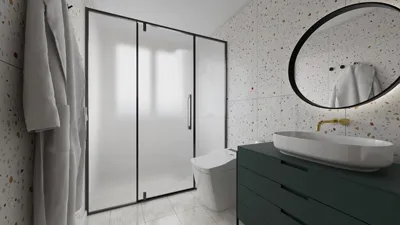


Illuminating a wall painting significantly enhances its allure, directing attention towards your artwork. The appropriate lighting can elevate a basic piece into a striking centerpiece. Whether you're a homeowner eager to showcase your prized artworks or a gallery proprietor aiming to effectively highlight art, grasping the intricacies of art lighting is crucial, especially with tools like Homestyler at your disposal.
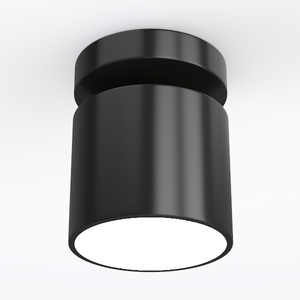
Start by contemplating the kind of lighting you wish to implement. While natural light is always preferred, there are numerous indoor lighting options available, such as track lighting, recessed fixtures, or picture lights. Each option presents unique benefits and can dramatically influence the perception of a painting.
Track lighting offers versatility, enabling you to direct the light toward specific artworks. Recessed lights create a more subtle atmosphere but might not provide the striking effect certain pieces require. Picture lights are installed directly above the artwork, delivering a focused and elegant glow that highlights colors and intricate details.
Selecting the Ideal Lighting Type
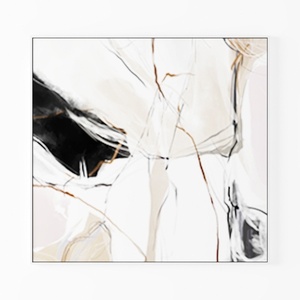
When determining the lighting type, consider the dimensions and hues of your painting. High-contrast pieces, featuring dark backgrounds paired with vibrant foregrounds, thrive under direct lighting, which amplifies those contrasting facets. Meanwhile, for gentle, muted paintings, indirect lighting may present a more flattering appearance without overshadowing the artwork.
Another vital consideration is the positioning of light sources. Ideally, lights should be situated at a 30-degree angle from the artwork to prevent glare and ensure consistent illumination. This strategy accentuates textures and colors effectively while minimizing shadows that may detract from the painting.
Utilizing Color Temperature Effectively
Color temperature plays a significant role in art lighting. The warmth or coolness of the light can dramatically alter a painting's visual presentation. For most artworks, a color temperature ranging from 3000K to 4000K is optimal. This spectrum simulates natural daylight, revealing true colors without misrepresenting the artwork.
Additionally, be aware that certain light sources can fade artwork over time, particularly incandescent bulbs. LED lighting serves as an excellent alternative, emitting low heat and offering a diverse range of color temperature options, effectively safeguarding your art while ensuring it remains beautifully illuminated.
Installation Recommendations
Finally, if you're dealing with larger art pieces, consider a layered approach to lighting. This method merges various light sources—ambient, task, and accent—to create a rich visual experience. As you set up your lights, take the time to experiment with their angles and intensity until you achieve the desired ambiance. Testing different arrangements and observing the artwork at varying times of day can assist you in identifying the optimal lighting solution that perfectly complements your painting, especially when utilizing tools like Homestyler.
Frequently Asked Questions
A: While it's possible to use other types, it’s advisable to choose LED bulbs with a high Color Rendering Index (CRI) to effectively showcase the true colors of the artwork.
A: For the best results, lights should be ideally placed around 12 to 18 inches away from the picture, ensuring optimal brightness without excessive glare.

Discover Homestyler, the ultimate online home design platform! With its user-friendly design tool, stunning 3D renderings, and a wealth of inspiring design projects and video tutorials, transforming your space has never been easier. Unleash your creativity and bring your dream home to life today!
Design jetzt kostenlos
































