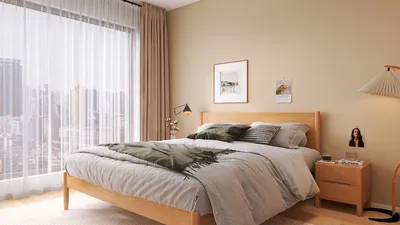


Beyond the confines of nurseries and vibrant accents, pink has evolved to be a sophisticated choice in modern interiors. This color not only brings a calming presence but also demonstrates impressive versatility, particularly when its intensity is carefully adjusted and matched with suitable materials. By ensuring a well-balanced light scheme and proportionate elements, pink can infuse spaces with a welcoming warmth. I've successfully incorporated Homestyler to visualize how pink can soften spaces in living rooms, bedrooms, and compact urban kitchens, enhancing comfort while avoiding any sense of kitsch.
Numerous studies underline the psychological advantages of strategic color applications. For instance, Verywell Mind's research indicates that soft, desaturated shades of red, such as blush pink, create environments that feel nurturing and warm. In contrast, bright, saturated reds can intensify arousal, necessitating moderation in living areas. According to WELL v2, maintaining equilibrium in visual environments is crucial; achieving optimal lighting conditions around 150–300 lux for living spaces and 300–500 lux for tasks can help retain the true essence of pink, ensuring it doesn’t appear overly gray or neon in poor lighting. You can leverage resources like Verywell Mind for color psychology insights and WELL v2 for healthy lighting strategies to perfectly balance pink for both mood and functionality.
Determining Intent: The Role of Pink in Your Space
Before you make decisions regarding paint or furniture fabric, it's essential to clarify your space's purpose. In smaller city apartments, pink can soften stark materials and brighten dimly lit rooms; in open-concept homes, it can serve to define social areas. I assess three key factors—hue (warm vs. cool pink), chroma (muted vs. saturated), and value (light vs. dark)—and relate these to how the space will be used. For instance, a gentle blush on expansive surfaces promotes relaxation, while a bolder raspberry adds energy, ideal for spaces like a breakfast nook or a vibrant music area. To create versatile living rooms, combine a serene base (like dusty pink walls) with lively touches (like cerise cushions) to adapt the ambiance throughout the day.
Lighting Considerations: Color Temperature, Glare, and Rendering
The perception of pink changes based on the type of light illuminating it. Warm LED lights (2700–3000K) enhance rosy notes and give wooden surfaces a honeyed glow, while neutral lights (3500–4000K) maintain the integrity of pink, preventing it from becoming too peach-toned. It's crucial to use high color rendering (CRI 90+) to avoid muddiness in undertones. To minimize glare, create layered lighting strategies with ambient coves, diffused pendants, and adjustable task lamps, allowing surfaces to emit a soft glow instead of harsh glares. For instance, in my recent projects, using a soft uplight on a pink feature wall creates a feeling of warmth, while low-glare lamps help keep fabrics true to color. Avoid glossy paints on main walls, as they amplify highlights and detract from pink's natural look.
Creating Color Palettes: Enhancing Pink with Pairings
Pink pairs seamlessly with grounded neutral tones and textured natural materials. Here are some of my favorite combinations:
In terms of color psychology, soft pinks convey comfort and accessibility, while cooler mauve shades contribute depth—perfect for spaces designated for relaxation.
Material Choices: Balancing Pink's Sweetness with Texture
Selecting the right materials helps keep pink from feeling overly simplistic. Options like matte limewash or mineral paints provide a nuanced, shadow-friendly pink that feels alive. Choosing textiles such as bouclé, linen, or wool introduces a tactile variety that stabilizes the palette, allowing for bolder accents without overwhelming the space. In kitchens, think about incorporating pink-toned terrazzo or soft ceramic backsplashes alongside oak or ash cabinetry. Opting for sustainably sourced timber and low-VOC paints enhances indoor air quality while preserving the color's authenticity. It's best to avoid high-shine pink lacquers paired with glossy stones; instead, consider balancing one glossy element with two matte textures for a harmonious visual effect.
Design Layout and Zoning: Utilizing Pink to Enhance Flow
Color can serve as a subtle navigational aid in open-plan designs. An accent wall in pink can subtly delineate a conversation nook without the need for physical barriers. A pale pink runner might link an entryway to living spaces, while raspberry stools can create a friendly vibe at the breakfast bar, indicating a casual spot for meals. For effective furniture arrangement and circulation, use a room layout tool like Homestyler to visualize sightlines and see how color can influence movement within the space.
room layout tool
Bedrooms: Creating Serenity without Excess Sweetness
To achieve restful bedrooms, opt for a delicate approach: a pale blush on the headboard wall, 2700K bedside lamps, and layers of textiles in off-white and clay colors. Introduce grounding elements, such as charcoal frames or a walnut nightstand, to prevent the palette from feeling overly sugary. For acoustic comfort, heavy curtains and plush rugs can help dampen noise while softly filtering daylight to maintain consistent pink tones throughout the day. I often aim for a distribution of 30–60–10—60% neutral surfaces (like walls or bedding), 30% pink undertones (in paint or textiles), and 10% accents (such as brass or deep colors).
Living Spaces: Fostering Warmth with Visual Equilibrium
In areas meant for socializing, pink should create a welcoming ambiance without being overpowering. Begin with a neutral base—consider limestone or oak floors and soft gray walls. You might include a blush-colored sofa or two mauve armchairs, then establish visual focal points like a blackened steel lamp or a dark timber coffee table. Pattern should be introduced in moderation: a geometric rug with hints of pink can tie the room’s narrative together without it feeling cluttered. Maintaining clear sightlines is key; pink achieves the best effect when there’s ample space around it.
Dining and Kitchens: Energizing Appetite with Color
Color can significantly affect dining behaviors. Use pink in thoughtful ways: rosy backsplash tiles can add warmth, stool upholstery offers personality, and mauve wall paint in breakfast areas sets a soothing tone for the start of the day. Pair these with brushed brass fixtures and natural stone elements. Task lighting (in the range of 3500–4000K) over work surfaces ensures accurate color rendering for food, while adjustable light fixtures create varying moods for evening meals. Soft seating and wall panels can enhance conversational clarity—while hard glossy surfaces may render pink colder due to echo.
Compact Areas: Utilizing Pink for a Feeling of Space
Soft, light-value pink can amplify the brightness in slender corridors or cozy restrooms. Employing the same hue on walls and ceilings removes visual breaks, ideally using satin finishes that subtly reflect light. Dark-framed mirrors can add depth, preventing the room from feeling overly pastel. Keep hardware simple and sleek to allow the color to work its volumetric magic effectively.
Children’s Rooms with a Fresh Perspective
In children's spaces, pink doesn't have to be overdone. Establish a flexible foundation with neutral walls and a blush area rug, then layer in interchangeable accents such as bedding, art, and storage solutions. This way, you can swap elements as interests change without the need for extensive repainting. It's also important to design furniture ergonomically to minimize clutter in walking paths, while good storage helps keep the color scheme tidy and serene.
Bridging Indoor and Outdoor Spaces
Soft pink tones in sunrooms or enclosed balconies could counteract harsh sunlight, especially when combined with sheer curtains and 3000–3500K lighting in the evening. Incorporate terracotta pots and sage green plants with pink textiles to create a seamless transition between indoor comfort and outdoor textures.
Common Pitfalls and Tips for Prevention
Maintenance for Long-lasting Appeal
Opt for washable and low-VOC paints in areas subject to heavy use. Rotate textiles seasonally, utilizing heavier pink fabrics in winter and lighter blush tones in warmer months to maintain vibrancy. When it comes to updates, consider repainting trims or changing metal finishes (from brass to nickel) to refresh the overall appearance without a complete redesign.
Frequently Asked Questions
North-facing light tends to be cooler, which can mute colors. It’s advisable to choose a warmer blush or peach-tinged pink and test larger samples under both daytime and evening illumination. Maintaining a high CRI (90+) will help ensure that the undertones remain accurate.
If light-value, desaturated pink is applied on larger surfaces and complemented with ample neutrals, it will not diminish the space's appearance. Continuous, low-contrast transitions (from walls to ceilings) can actually enhance the feeling of volume.
Use 2700–3000K lighting for cozy settings (like bedrooms and lounges) and 3500–4000K for kitchens and working zones to ensure accurate color rendering. Combining ambient, task, and accent lamps helps reduce glare.
Incorporate materials like walnut, oak, limestone, bouclé, and linen. Adding brass or blackened steel elements provides structure; blending matte and subtle sheen finishes creates balance.
Gentle, muted pinks often promote calmness and nurturing atmospheres; steer clear of intense reds that might elevate energy levels unnecessarily. Consulting color psychology studies can help inform your selections, and always test samples in place.
Apply pink strategically to define social areas—like an accent wall, a cozy upholstered seating area, or a delineating rug. Utilize an interior layout planner like Homestyler to confirm that circulation and sightlines work harmoniously before finalizing arrangements.
Pink can be effectively utilized in kitchen backsplashes, upholstery, or wall paint when paired with neutral cabinets and sufficient task lighting. Ensure that materials are durable and easy to maintain.
Consider soft tones like warm gray, sage green, brass, charcoal, walnut, and off-white. For contrast, integrate small amounts of blackened metal or deep berry hues.
Utilize matte or eggshell finishes, ambient lighting solutions, and shades or diffusers on bright light sources. Position fixtures to wash surfaces gently rather than spotlighting them directly.
Without a doubt. Introduce pink through textiles, artwork, rugs, and furniture pieces. Temporary wallpaper and removable decals are great options for adding color without making permanent changes.
Echo can make rooms feel colder and harsher. Incorporating soft furnishings, curtains, and wall panels can help minimize reverb, allowing pink to retain its inviting warmth.
What began as an Autodesk innovation has evolved into a design platform used by more than 18 million people around the globe. Homestyler combines powerful rendering, an intuitive editor, and a vast furniture library to help you turn inspiration into photorealistic designs — whether you're redesigning a single room or planning an entire home.

Minimalist Two Tone Velvet Modular Sectional Sofa 3D Model
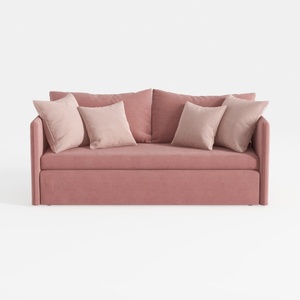

Minimalist Blush Pink Fabric Sofa with Throw Pillows 3D Model
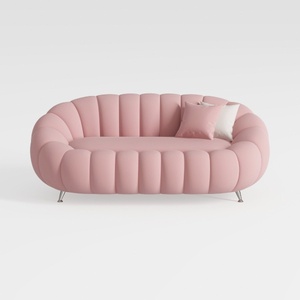
Modern Pink Fabric Tufted Loveseat Sofa 3D Model
Homestyler is your go-to online home design platform, perfect for turning your ideas into reality. With its user-friendly design tool, stunning 3D renderings, and a wealth of inspiring design projects and DIY video tutorials, you can effortlessly create your dream space—no professional skills needed!
Zaprojektuj teraz za darmo
































