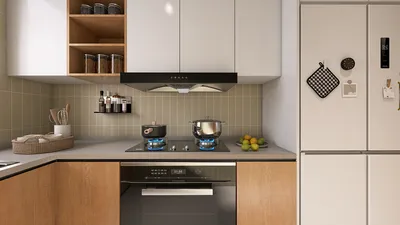


Beige tiles serve as a calming and adaptable foundation for living rooms, effectively anchoring furniture and decor while maintaining an inviting brightness. Throughout my years in design, I have incorporated beige in numerous projects ranging from coastal condos to urban lofts, appreciating how it reduces visual clutter and gives spaces an expansive feeling. According to the Well Building Standard, light, low-gloss finishes promote visual comfort by minimizing glare and eye strain. WELL v2 further accentuates the importance of glare control in environments where individuals spend extended periods, including living spaces. Additionally, research from Steelcase suggests that environments with balanced visual stimuli help occupants focus and relax, which supports the choice of neutral, low-contrast flooring for daily living.
The concept of color psychology dovetails with this approach: Verywell Mind identifies beige as a soothing and warm neutral that encourages relaxation without compromising the character of a room. For instance, beige tiles with a slight texture or matte finish help control light reflectivity, making them a perfect choice for areas where strong daylight enters through windows. When designing task zones, such as reading nooks or media walls, pairing beige flooring with layers of lighting that offer comfortable illumination and warm color temperatures can help mitigate eye fatigue. The Illuminating Engineering Society (IES) suggests aiming for around 200–300 lux in living areas, which influences how I position lights over seating and tables.
Selecting the Ideal Shade of Beige: Understanding Undertones and Atmosphere
Not every shade of beige is the same. My process begins by evaluating the undertones in relation to the room's lighting and materials. Tiles with cool beige tones (featuring gray or taupe undertones) can enhance modern aesthetics, working beautifully with black metal and glass. Meanwhile, warm beige tiles (with hints of cream, sand, or honey) create a cozy atmosphere alongside wooden elements, rattan, and soft textiles. In north-facing rooms, I prefer warmer beiges to balance out the cooler daylight; conversely, a neutral or cool beige is ideal for south-facing spaces to prevent an overly yellow palette. For clients who appreciate colorful art, beige tiles function as a subtle backdrop, allowing vibrant pieces to shine without clash.
Finishes That Matter: Options Like Matte, Honed, and Textured
Living rooms thrive on finishes that are solid and grounded underfoot. Tiles with a honed or matte finish significantly reduce specular reflections, aiding in glare control for screens and reading areas. A soft micro-texture adds some grip while maintaining an indoor aesthetic. For those who entertain frequently, opting for rectified edges will minimize grout visibility and make maintenance easier. In homes with pets, I recommend fine-grain finishes that discreetly hide paw prints and everyday dust while glossy tiles tend to showcase every smudge, making for a slippery surface.
Tile Dimensions and Layout: Optimizing Space Perception
The size of the tiles significantly affects how the space is perceived. Larger tiles (24×24, 24×48, or 36×36 inches) reduce the number of joints, creating a seamless look that can make small living rooms appear larger. In elongated settings, plank-style porcelain tiles (8×48 or 9×60 inches) placed parallel to the room’s longer side enhance flow. For compact areas, using 12×24 tiles in a running bond pattern minimizes alignment issues and conceals slight irregularities in the substrate. When arranging seating, I try to align grout lines with the coffee table’s edge or the front of the sofa for a tidy visual rhythm—these small details can have a big impact.
For clients eager to visualize furniture placement before making decisions, utilizing a room design tool can aid in planning traffic patterns, determining sofa dimensions, and establishing rug borders in relation to tile layouts. Try out Homestyler's interior layout planner for simulating furniture arrangements and movement on a tiled floor: room layout tool.
Pattern Approaches: From Subtle to Eye-Catching
Beige doesn’t necessarily have to appear plain. I differentiate between three levels of patterns: minimal, medium contrast, and focal inlays. The minimal option includes straight-lay or stacked patterns with micro-beveled edges for a fresh look. For medium contrast, I combine two beige shades that are distinct yet harmonious (such as sand and oatmeal), introducing a gentle chevron or herringbone to create an intriguing yet calm visual. Focal inlay involves framing a rectangular area under seating, giving the illusion of a rug, subtly accentuated with a frame that’s just a shade deeper. The goal is to keep contrast low enough to ensure the floor remains cohesive as a single canvas rather than being jarring and disjointed.
Selecting Grout Color and Joint Techniques
The choice of grout can dramatically alter the overall appearance. I typically match grout colors to be within 1-2 shades of the tile, minimizing visual disruption and enhancing spatial continuity. With rectified tiles, I maintain joint widths at about 2-3 mm to ensure clean lines; for pressed edge tiles, 3-5 mm is generally safer. In open living-dining areas, maintaining a consistent grout tone visually connects spaces. For transitions from the living area to the kitchen, I often suggest utilizing the same beige tile but with a slightly darker grout in the kitchen to assist with cleanliness while avoiding abrupt separations.
Acoustic Comfort: Hard Surfaces That Don’t Sound Harsh
Hard surfaces tend to amplify sound, so I incorporate acoustic elements such as thick area rugs, upholstered seating, lined curtains, and bookshelves to help absorb noise. Even with porcelain tiles, combining the right elements can diminish reverberation, enhancing speech clarity during social gatherings. I avoid hollow-sounding substrates; well-installed tiles over appropriate underlayment prevent any ‘drumming’ effect. Along feature walls, slatted wood or fabric panels can reduce echo while adding texture that complements the beige flooring.
Light, Color Temperature, and Glare Management
Beige floors harmonize beautifully with warm light. I recommend aiming for a color temperature of 2700-3000K for ambient fixtures during evening hours. To maintain the desired mood and minimize glare, indirect uplighting or shaded lamps near seating areas are ideal. Natural daylight can increase reflectance; installing sheer curtains can diffuse light, and a matte tile finish keeps the atmosphere friendly. If you tend to read while seated, consider adding adjustable task lighting that achieves 300-500 lux on the page without overpowering the room. Referencing illuminance standards from the IES can help in fine-tuning these factors and applying WELL principles to manage glare throughout the day for optimal eye comfort.
Material Choices: Porcelain, Ceramic, and Stone
My first choice for living rooms is porcelain due to its density, low porosity, stain-resistance, and availability in sophisticated beige tones ranging from limestone to travertine looks. Ceramic tiles work well in lower-traffic areas and on tighter budgets, boasting a broad spectrum of colors and simpler cutting. Natural stones, such as limestone, travertine, and sandstone, introduce authentic variation but require sealing and periodic upkeep. For those prioritizing sustainability, opting for tiles with recycled components and confirming slip-resistance for home use is beneficial. Beige terrazzo porcelain tiles offer a speckled warmth that conceals crumbs and reflects current mid-century design trends.
Incorporating Rugs, Furniture, and Layering with Beige
With a beige tile floor, you have an ideal canvas for layering textures such as boucle sofas, linen curtains, nubby wool rugs, and accents in blackened steel. When clients express concerns about beige feeling too flat, I suggest pairing it with a high-pile cream rug or a patterned kilim to anchor the seating area. Using warm wood tones, like oak and walnut, deepens the overall palette, while introducing pops of color—such as sage, terracotta, or midnight blue—in cushions or artwork lends a lively touch. The timelessness of the tiles combined with these layers keeps the ambiance vibrant and engaging.
Defining Zones in Open Plans Without Clutter
In open-plan living-dining configurations, beige tiles can create a sense of unity among different areas. I suggest defining living spaces with rugs that correspond to tile dimensions—like placing an 8×10 rug centered across two tile panels to maintain alignment. A subtle border tile at the transitions to hallways or terraces acts as a visual cue without creating hard boundaries. When planning layouts, a layout simulation tool is immensely helpful to evaluate furniture sizes, clear circulation spaces (aim for 900–1100 mm for comfort), and sightlines across windows and media walls: interior layout planner.
Care and Longevity of Tiles
Beige tiles hold up well with the appropriate cleaning regimen. I recommend using a pH-neutral cleaner coupled with microfiber pads to safeguard the finish. Natural stones should be sealed in accordance with the manufacturer’s instructions, while porcelain usually doesn't require sealing but benefits from regular grout upkeep. Implement floor protectors beneath furniture to help prevent scuffing. If high-traffic areas emerge (like the path from entry to sofa), consider adding a runner to help distribute wear.
Design Trends for 2024–2025
Clients are increasingly drawn towards understated luxury, with preferences leaning toward soft neutrals, refined textures, and durable materials. Beige tiles align perfectly with this trend, particularly in large-format, matte porcelain with elegant stone-like veining. When combined with sculptural lighting designs, organic wood elements, and a carefully curated color palette, the living room transforms into a space that feels calming yet elevated.
Design References and Frameworks
I prioritize glare control and visual comfort in my designs, utilizing the WELL v2 concepts for lighting and comfort alongside IES illuminance guidelines to establish optimal ambient and task lighting levels. Insights from color psychology as highlighted by Verywell Mind reinforce beige’s calming influence while allowing for bold accents through art and textiles.
Frequently Asked Questions
No. Beige serves as a sophisticated neutral foundation. To achieve a contemporary aesthetic, opt for large-format matte tiles with tight grout lines and sculptural furnishings.
To select the perfect undertone, match it against the room's light and materials: warm beige complements oak and soft fabrics; cool beige looks great with black metal and glass, particularly in darker spaces where warm beige prevents an overly gray appearance.
Using tiles sized 12×24 or 24×24 simplifies joint visibility and creates a seamless floor appearance. Align grout lines with furniture edges to evade visual clutter.
Glossy tiles can cause glare. Instead, opt for matte or honed finishes while layering with sheers to diffuse sunlight. Target 200–300 lux for general living areas, as recommended by IES.
Introduce acoustic elements like dense rugs, upholstered furniture, curtains, and bookshelves. If echoes are a concern, consider using slatted wood or fabric panels on walls to help dampen sound.
Porcelain is denser and more resistant to staining, which makes it ideal for high-traffic areas. Ceramic works well in spaces with lighter use and smaller budgets, albeit at a higher risk of chipping along edges.
Aim to keep grout color within one to two shades of the tile color to maintain a calm look and expand the visual perception of the floor. For rectified tiles, select tighter joints—roughly 2–3 mm in width.
Utilize rugs that correspond in size to the tile modules, furniture arrangements, and subtle border tiles at thresholds. Refine layout configurations using a simulation tool to perfect circulation flow.
Yes. Beige provides a subtle foundation, letting vibrant pieces stand out beautifully. Introduce small splashes of color through cushions or blankets for a cohesive look.
For evening warmth and comfort, opt for light sources rated between 2700–3000K. Provide task lighting that reaches higher lux levels for reading and media areas.
Use pH-neutral cleaning products along with microfiber pads to maintain your tile’s finish. Ensure natural stone is sealed, keep grout clean, and place protective pads under furniture to prevent damage.
Yes, maintaining subtle contrast—just one step apart—and implementing a darker tone to frame the seating area or run a gentle herringbone pattern will contribute to a soothing yet dynamic floor design.
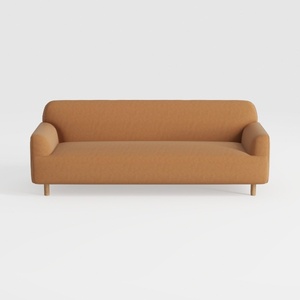
Minimalist Fabric Wooden Legs Sofa 3D Model

Minimalist Oak Linen 3 Seat Sofa 3D Model
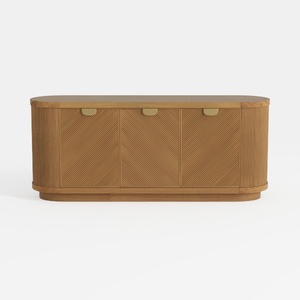
Modern Minimalist Solid Wood Fluted Sideboard with Brass Accents 3D Model
Homestyler is your go-to online home design platform, perfect for both beginners and pros! With its user-friendly design tool, stunning 3D renderings, and inspiring DIY video tutorials, you can effortlessly create and visualize your dream spaces. Turn your ideas into reality today!
Design Now for FREE
































