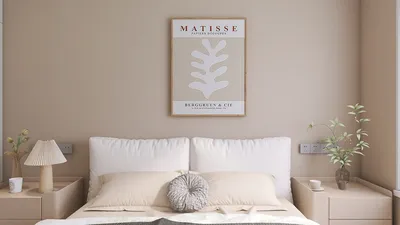


Lavender and soft purple tones possess a unique ability to soften outlines, soothe the mind, and visually make a space appear larger without robbing it of its distinct character. In my design endeavors, I frequently incorporate these shades to minimize visual distractions while maintaining depth and individuality—particularly in bedrooms, living rooms, and dedicated workspaces. There’s tangible evidence supporting the benefits of calming color schemes: studies referenced by Verywell Mind indicate that cool hues, including purples, can alleviate stress and decrease heart rate, which I consistently observe in user feedback. In office environments, Steelcase has reported that spaces that foster psychological comfort are linked to heightened engagement; the tranquil quality of lavender contributes to this objective by diminishing overstimulation in open-concept layouts.
The way light interacts with lavender is pivotal when it comes to its appearance. As per the recommendations of the IES (Illuminating Engineering Society), living spaces generally thrive under 100–300 lux for ambient lighting, with task lighting ranging from 300–500 lux for reading purposes. Opt for general illumination in the 2700–3000K range to create a warm atmosphere in both living and sleeping areas, while a cooler 3500–4000K is more suitable for study rooms to maintain focus without washing out delicate lavender undertones. Furthermore, WELL v2 emphasizes the importance of circadian-friendly lighting to enhance alertness during the day and encourage tranquility at night; achieving this balance prevents lavender from appearing gray in dim settings or excessively blue under cooler LED lighting. For more insights on human-centered lighting, consider exploring IES standards at ies.org/standards.
The Psychology of Lavender: Achieving Calm Without Complacency
Lavender exists at the crossroads of calming stability (blue) and vibrant creativity (red). When kept light and mildly muted, it facilitates relaxation without veering into sluggishness. This is why I often implement lavender walls as the primary backdrop, layering in lilac or periwinkle textiles for subtle contrast. In family-friendly spaces, combining lavender with small-patterned fabrics—such as herringbone throws and tone-on-tone jacquards—prevents the palette from appearing flat while still being restful.
Lighting: Understanding Color Temperature, Lux, and Managing Glare
Lavender's appearance can alter under varying light spectrums, making thoughtful lighting a necessity. Aim to combine:
Mitigate glare by employing matte finishes on ceilings and walls. A CRI rating of 90 or above ensures that lavender and complementary woods retain their true hues. Consider dim-to-warm fixtures in bedrooms; as color temperature decreases, lavender deepens beautifully, creating a cozy evening atmosphere.
Planning the Space: Proportions and Visual Harmony
Lavender serves brilliantly as a wall color in both small and medium-sized rooms, effectively creating an illusion of expansiveness. I suggest starting with the following ratio: 60% as the primary color (walls), 30% for secondary elements (floors and large upholstery), and 10% for accents (artwork and metallic finishes). In open-plan designs, consider using a muted lavender in the lounge while a more vibrant lilac could delineate reading areas, encouraging specific activities. If you are arranging furniture or assessing sightlines, utilizing a room layout planner like Homestyler can assist in testing seating arrangements (ideally aiming for a 1.5–2.4 m viewing distance for a 55–65" TV) and optimizing natural light flow before making final decisions.
Color Combinations That Enhance Lavender
To maintain a sophisticated feel with lavender rather than a sweet one, I combine it with grounding neutrals and natural textures:
For a cooler aesthetic, opt for periwinkle fabrics and soft graphite metals; for warmer tones, consider clay-pink ceramics and ecru linens.
Materials and Finishes: Emphasizing Matte, Soft Sheen, and Natural Textiles
The choice of finishes can significantly affect the appearance of lavender. Matte and eggshell paints keep reflections low, enriching the color. For cabinetry, a soft satin polyurethane can prevent a synthetic sheen while being easy to clean. Natural materials such as linen, bouclé, and wool beautifully showcase lavender; slight texture and weave differences can keep color groupings from appearing dull. It’s also wise to select low-VOC paints and FSC-certified woods for sustainability, particularly in smaller rooms where off-gassing can be more concentrated.
Ergonomics and Human Elements: Comfort Influences Color Perception
Color is more positively perceived in environments designed for comfort. Prioritize ergonomics to maintain a captivating lavender experience: ensure seating heights are between 16–18 inches, provide lumbar support for reading areas, and keep desk heights around 28–30 inches, with task lighting adjusted at a 30–45° angle to the work surface. Maintain pathways at a minimum of 36 inches for smooth movement. When posture and movement feel natural, users view the color scheme as more restful and intentional.
Acoustic Comfort: Enhancing Lavender’s Effect Through Sound Control
Soft purples thrive in tranquil settings. Elevate acoustic comfort with a wool area rug (with a 0.4–0.6 NRC rating in layered arrangements), fabric-covered panels behind sofas, and drapes that are lined and gathered with 1.5–2 times fullness. Quiet HVAC diffusers and felt-backed furniture pads can help prevent high-frequency noise that could make cooler palettes seem sterile.
Creating Bedrooms in Lavender: Emphasizing Sleep-Friendly Features
Select a mid-lavender for headboard walls with a 30–40 LRV to maintain a cozy feel at night. Use nightstand task lights at 2700K on dimmers, and illuminate closets with 3500K to preserve true clothing colors. I recommend a combination of blackout treatments and sheer curtains—sheers in soft lilac for a bright daytime effect, and blackout curtains in warm taupe to prevent color distortion at night.
Living Rooms: Creating Depth Without Clutter
Utilize a lavender wall, a greige sofa, walnut accents, and a striking piece of artwork in midnight blue to maintain focus. Arrange your rug to extend 8–12 inches underneath all major seating to cohesively tie the zone together. Keep the styling of the coffee table minimal—just two stackable items and one sculptural piece—to avoid overwhelming the color narrative.
Workspaces and Studios: Balancing Focus and Calm
In creative environments, using a lilac-gray on surrounding walls can mitigate screen glare while facilitating idea development. Pair this with a 4000K task lamp and place screens in a manner that reduces glare. According to Steelcase’s research on workplace conditions, spaces that harmonize stimulation with restoration enhance cognitive efficiency; I typically achieve this balance by keeping the lavender field subtle and introducing vibrant art in a single focal point rather than dispersing color throughout.
Maximizing Small Spaces: Techniques to Create Light and Space
Opt for lighter shades of lavender with a higher LRV on longer walls, extending color onto the ceiling with a 5–10% lighter tint to blur edges. Utilize slim curtain tracks to hang drapery closer to the ceiling; lavender sheers can soften daylight and decrease contrast at the window's edges. Strategically place mirrors to reflect a view or group of plants to prevent visual clutter.
Detailing: Incorporating Metals, Artwork, and Plants
Patinated metals and textured ceramics ground the overall color scheme. Use slender, dark frames to create negative space around lavender. Choose plants with soft leaves—like peperomia, pilea, and rubber plants—to add a low-sheen texture that complements the coolness of purple without clashing.
Sustaining Your Design: Maintenance and Longevity
Select scrubbable paints for high-traffic areas and UV-resistant fabrics near windows. Test two or three shades of lavender on-site, observing them over a 24-hour period; LED color spectrums and daylight variations can significantly alter how undertones are perceived. I maintain a small library of neutral companions to switch if evening light casts too blue on lavender.
Step-by-Step: Incorporating Lavender Into Your Space
Further Reading
For guidance on human-centered lighting, refer to IES standards. For insights regarding workplace dynamics and restorative design that can inform home studios and focused work areas, visit findings at steelcase.com/research.
Frequently Asked Questions
Choose a lavender with a higher LRV (65–75) and a hint of warmth to counteract cooler shadows. Always test samples under your actual LED lights and daylight conditions before finalizing your choice.
Incorporate mature neutrals like greige and taupe, add accents of walnut or blackened bronze, and keep patterns refined. A single bold, dark artwork can instantly temper the sweetness.
Utilize 2700–3000K ambient lighting with dimmers, ensure a CRI of 90+, and adopt matte finishes to minimize glare. Incorporate task lights at 3500–4000K for reading or work tasks without washing out colors.
Indeed—subdued lavender can decrease visual distractions while remaining more engaging than gray tones. When pairing with 3500–4000K task lighting, maintain minimal contrast around the monitor to limit eye strain.
Select walnut, smoked oak, and ash that feature a natural finish. Their warmth can ground the cooler purple tones, preventing a sterile atmosphere. Avoid stains with a heavy orange tint that may clash.
Choose finishes like aged brass, brushed nickel, and blackened bronze. These materials lend contrast without producing high gloss glare that could distort color temperature.
Mix various textures, such as linen, bouclé, and wool, to add depth. Keep patterns understated and opt for a rug that incorporates a thread of lavender with greige or taupe to create a unified scheme.
For primary walls, select matte or eggshell finishes to reduce glare and deepen the color. In high-traffic areas, satin finishes can enhance cleanability while providing a fresh look.
Create different undertones with a slightly muted lavender for lounging spaces and a cleaner lilac for reading nooks. Reinforce these changes with lighting variations and area rugs to encourage specific uses.
Utilize warm-dim or 2700–3000K ambient lighting solutions, ensuring a CRI of 90+. Always test bulbs against your color swatches; even a minor shift in spectrum can greatly change perception.
Layer textiles like a wool rug, lined drapery, and at least one upholstered panel or sizable canvas. Lowering high-frequency reflections enhances the warmth and appeal of cooler palettes.
Absolutely. Keep designs streamlined, use desaturated colors, and introduce a single sculptural piece in a deeper shade for contrast. Matte walls contribute to a less cluttered visual experience.
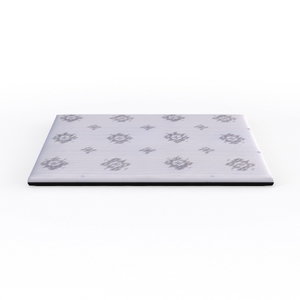

Two Tone Fabric Modern Platform Bed 3D Model
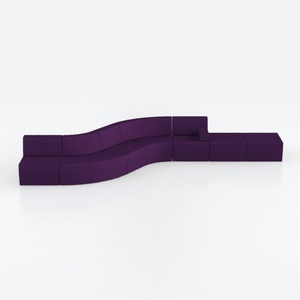
Modern Purple Fabric Modular Curved Sectional Sofa 3D Model
Homestyler is an outstanding online home design platform that empowers you to unleash your creativity. With user-friendly design tools, stunning 3D renderings, and a wealth of DIY video tutorials, transforming your space has never been easier or more inspiring. Start designing today!
Diseño ahora GRATIS
































