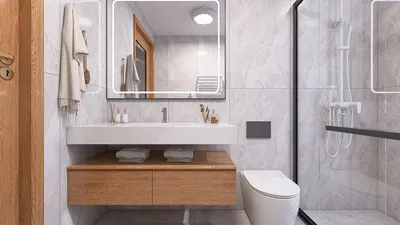


Vanilla is not merely a pleasant scent; it plays a significant role in the ambiance of a room. Projects that incorporate a thoughtfully selected vanilla room freshener help to soften harsh visuals, alleviate stress, and foster a welcoming atmosphere. According to a 2023 report by Steelcase, there is a connection between sensory comfort and enhanced cognitive function, as well as mood stabilization. The WELL v2 standards highlight the importance of indoor air quality and olfactory comfort as vital components of overall health. When vanilla is harmoniously blended with effective ventilation and low-emission carriers, it results in a soothing environment that doesn’t overwhelm the senses.
Beyond mere aesthetics, scent has a quantifiable impact. Research compiled by the Interaction Design Foundation indicates that multisensory congruence—which occurs when scent is synchronized with visual and tactile elements—can elevate user satisfaction and enhance the perceived quality of an experience. The warmth and familiarity associated with vanilla bolster this congruence in living spaces, hotel lobbies, and quiet corners designed for concentration. I consider it a subtle foundation that complements lighting temperatures (2700–3000K), soft textures, and balanced sound environments.
Selecting the Ideal Vanilla Freshener
Not all vanilla fragrances are created equal. Natural vanilla absolute offers a rich complexity—encompassing notes of tonka bean, creamy spice, and gentle wood— whereas synthetic vanillin tends to be more linear and overly sweet. For bedrooms and reading nooks, I favor blends that feature a warm base of sandalwood or amber to neutralize excessive sweetness. It’s advisable to choose low-VOC formulations that comply with WELL v2 Air standards to maintain indoor air quality. If the space is shared, it’s useful to test micro-diffusions for a couple of days prior to making a final choice.
The Psychology of Scent and Color
Vanilla harmonizes beautifully with warm neutral tones and desaturated color schemes. According to Verywell Mind, the effects of warm colors can either energize or soothe depending on their saturation levels; therefore, I opt for soft beiges or oatmeal for walls, reserving deeper terracotta or caramel for accent decorations. This strategic approach helps prevent sensory overload while ensuring the room retains an emotionally cohesive environment.
Strategic Placement and Diffusion Techniques
The method of diffusion is more significant than the composition of the fragrance itself. In open-plan layouts, it’s advisable to place a low-output diffuser close to a return-air vent to allow the HVAC system to gently disperse the scent throughout the area. In more compact spaces, keep the diffuser away from seating areas and position it at a height of 90–120 cm from the floor to minimize direct intensity. If you’re considering rearranging furniture, tools like room layout planners can assist in visualizing the reach of the diffuser, airflow routes, and user proximity.
Synchronizing Light and Scent
I aim to align scent with lighting. Warm white lighting (2700–3000K) reinforces the inviting essence of vanilla; controlling glare is essential, so I use diffused lighting sources and indirect coves. Guidelines from the IES emphasize the need for consistent illumination and glare control—utilizing matte finishes near light sources ensures that the visual warmth complements the olfactory warmth without conflict. Dimming the lights as dusk approaches can also help to balance the presence of scent in the air.
Creating Acoustic Comfort and Choosing Materials
Vanilla's appeal is amplified when the acoustic environment is tranquil. Using layers of rugs, upholstered furniture, and fabric panels can effectively absorb mid- and high-frequency sounds. Considering sustainability is crucial—opt for diffuser bases made from plant-derived alcohols and FSC-certified reeds, while selecting refillable containers to minimize waste. In hospitality settings, I recommend employing closed-cartridge systems to prevent spills and achieve consistent dispersal of scent.
User Behavior and Ergonomic Considerations
Think about how people move within the space. Stronger scents should be concentrated in areas of brief passage such as entries and corridors, while milder scents can be present in places where individuals linger, like reading areas and desks. From an ergonomic perspective, it's advisable to avoid positioning fragrance emitters directly at workstations; neutral air promotes focus. Research by Herman Miller on workplace environments emphasizes that control over environmental conditions contributes to overall satisfaction—allowing occupants to adjust scent intensity or turn it off completely can enhance their experience.
Layering Scents Without Overcrowding
Blending vanilla with citrus top notes, like bergamot and grapefruit, can provide an invigorating start to the day, or pairing it with soft woods creates a soothing evening scent. It’s best to maintain a ratio of about 70% vanilla to 30% accent notes. Additionally, rotating these combinations seasonally—citrus in spring, amber-wood in fall—while designating one scent-free day each week can help prevent olfactory fatigue.
Health and Safety Considerations
It is essential to prioritize low-VOC and phthalate-free formulations, ensuring compliance with IFRA guidelines. For households where sensitivities are a concern, consider using shorter diffusion intervals and ensuring good ventilation after scenting. In work environments, adhering to WELL v2 regulations for fragrance management is vital, along with establishing scent-free zones.
Maintaining Scent Quality and Longevity
To ensure a clean scent profile, it is important to dust diffuser reeds weekly, flip them occasionally, and use sterilized containers for refills. Avoid exposing the diffuser to high heat, as this can affect the scent's character. Reeds should be replaced every two months, and tracking usage can help maintain a consistent intensity throughout the seasons.
Recommended Uses by Room Type
- Living rooms: Implement consistent, low diffusion to enhance social warmth.
- Bedrooms: Utilize minimal diffusion, synchronized with bedtime routines.
- Entryways: Create a vibrant first impression that gradually fades.
- Home offices: Prefer scent-free conditions during working hours, introducing micro-diffusion only during breaks.
Frequently Asked Questions
Yes, as long as you use low-VOC, IFRA-compliant blends and limit diffusion times. It’s also important to provide a scent-free space and ensure proper ventilation post-use.
Maintain a low output and place the diffuser at a height of 90–120 cm, away from seating areas. Testing for 48 hours is recommended to adjust reeds or timers effectively.
Warm white lighting (2700–3000K) enhances the cozy feeling associated with vanilla. Cooler lights may render sweet notes less appealing, so dimming them offers a perfect solution.
Scent contributes to comfort, a connection highlighted by studies from Steelcase, linking sensory aspects to improved cognitive performance. Place light diffusion near relaxation areas instead of designated workspaces.
Prefer natural bases made from plant-derived alcohols, refillable glass containers, FSC-certified reeds, and closed-cartridge systems, particularly in commercial settings.
Maintain a primary base of vanilla at around 70%, adding citrus or soft wood accents at 30%. Remember to rotate these scents seasonally and include weekly scent-free days.
Position diffusers near return-air pathways for gentle scent distribution while avoiding proximity to seating. An interior layout planner can help optimize airflow and occupant distance.
Dust reeds lightly, sterilize containers between refills, replace reeds every two months, and keep them away from heat sources to avoid altering the scent profile.
Yes, you can manage scent in accordance with policy provisions. Align with WELL v2 standards, create scent-free areas, and position diffusers away from workstations.
Opt for warm neutrals and matte finishes to enhance the inviting essence of the space; avoid vibrant palettes that might compete with the calming influence of the scent.
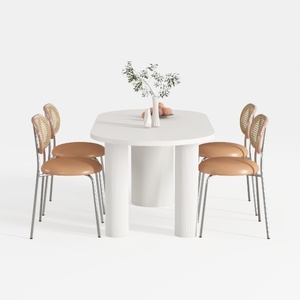
DUOMAY Modern Boucle Dining Chairs Set of 2,
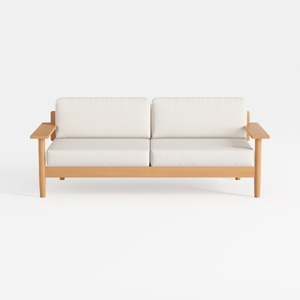

Tennozu Linen Fabric Loveseat Sofa, Convertible Fu
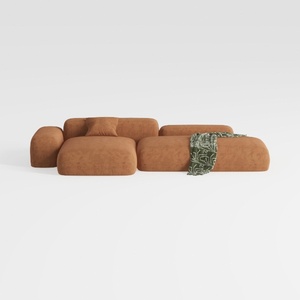
Oversized L-Shaped Sectional Sofa with Ottoman
If you're looking to transform your home, Homestyler is your go-to online design platform! With its user-friendly design tool, stunning 3D renderings, a plethora of design projects, and helpful video tutorials, you can effortlessly unleash your creativity and realize your dream space.
Design Now for FREE
































