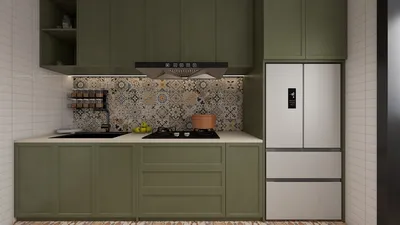


For years, I've relied on green to create an atmosphere of tranquility, connection, and seamless balance in any room. At the core of biophilic design, green mirrors the essence of nature—from foliage to moss and mineral tones—and seamlessly fits various styles, from contemporary minimalism to timeless transitional interiors. When applied thoughtfully, it serves as a unifying foundation for light, acoustics, ergonomics, and overall ambiance, particularly when using tools like Homestyler for design simulations.
Grounding the Choice with Evidence
The calming qualities of green aren't merely a cultural myth. Research in color psychology consistently links green to balance, renewal, and decreased stress levels. According to Verywell Mind, green fosters a sense of harmony and restful spaces—perfect for your interiors (for more details, visit verywellmind.com/color-psychology). Moreover, studies by Steelcase illustrate that natural views and biophilic elements enhance well-being and concentration in work settings, while Herman Miller's findings establish a connection between restorative visuals and diminished cognitive fatigue. Adequate lighting is crucial—IES advises maintaining horizontal illuminance between 300–500 lux for tasks to ensure that green tones appear accurately without distortion (reference: ies.org/standards).
Choosing the Right Green: Hue, Value, and Chroma
Greens vary significantly in their effects. Soft shades like sage and celadon provide a calming backdrop effective in living areas and bedrooms, while mid-tone olives or eucalyptus contribute a richer depth suitable for dining and transitional spaces. Darker greens, such as forest and bottle green, can add drama to libraries and cozy bedrooms. In spaces with limited natural light, slightly warm the green—by introducing a hint of yellow or gray—to avoid a lifeless look. For north-facing rooms, opt for warmer tones (like olive or pistachio); whereas, in south-facing areas, cooler greens (like sea-spray or eucalyptus) help maintain equilibrium.
Lighting Strategy: Lux, CCT, and Glare
Green appears most vibrant under a thoughtful layering of light that accounts for both task and ambient needs. Aim for 300–500 lux on work surfaces and approximately 100–200 lux in living spaces. A color temperature range of 2700–3500K is ideal for residential calm; in work areas where clarity is essential, 3500–4000K is appropriate. Protect against glare by incorporating diffused and indirect lighting; glossy emerald finishes can create unwanted highlights under direct light sources. Utilize high CRI (90+) lighting to keep the greens true, and position wall washers to prevent dark patches on expansive green surfaces, ensuring a consistent visual experience.
Behavioral Patterns and Spatial Intention
The influence of green is especially pronounced in transition zones and focal points. Sage corridors can slow down movement, fostering a calmer passage through space. Olive in dining zones encourages prolonged gathering, while cooler eucalyptus tones in home offices enhance alertness without causing overstimulation. A vibrant green accent wall behind a workspace can serve as a visual anchor; however, steer clear of busy patterns in view during critical tasks to avoid distractions. If you're redesigning circulation paths or furniture arrangements, a room layout tool like Homestyler can effectively test sightlines and focal points before committing to a paint choice.
Ergonomics and Human Factors
The interplay between color and ergonomics is significant. For tasks requiring extended focus, it's advisable to use desaturated greens in large areas to minimize visual fatigue, complemented by contrasting neutral colors at hand-level to create definition. Following a ratio of 10:30:60—10% accent, 30% secondary, and 60% base—is essential to maintain balance and prevent any single color from overpowering the design. In spaces meant for concentration, opting for matte or eggshell finishes can help reduce glare around screens; the WELL v2 guidelines stress the importance of visual comfort and effective lighting, naturally aligning with softer greens that avoid excessive reflection.
Acoustic Comfort with Material Pairings
Green pairs beautifully with sound-absorbing materials. Olive walls can be enhanced with wool felt panels or textured upholstery in deep green to minimize mid- to high-frequency sounds. Dining areas might benefit from green lacquered wainscoting along with fabric-backed drapes to manage noise levels effectively. Incorporate rugs in moss tones to unify the space visually and reduce sound reverberation; additionally, choose underlays designed to enhance NRC performance. To combat echo in open spaces, avoid glossy green finishes—instead, opt for porous materials like limewash or textured plaster to soften the acoustics.
Material Selection and Sustainable Finishes
Select low-VOC paints and consider mineral-based options for more complex greens. Limewash offers depth and subtle variations without the shine. For cabinetry, using forest-green stained ash or walnut veneer can introduce movement through the grain, avoiding flat appearances. Fabrics like recycled wool or Tencel blends pair well with olive and eucalyptus tones. Hardware in brass or aged bronze can warm up cooler shades, while blackened steel enriches warmer hues. In kitchens, stone countertops like soapstone or veined marble can beautifully complement deep greens without overwhelming the design.
Room-by-Room Green Strategies
Create a serene and layered palette by painting walls sage and adding forest velvet accents. Utilize floating seating to maintain circulation space, and anchor the design with a moss-toned rug. Ensure that the green walls are illuminated with dimmable linear lighting set at 3000K.
Opt for celadon walls paired with an upholstered headboard in eucalyptus. Maintain bedside lighting at 2700K with low glare, and consider blackout drapery to sustain color integrity during the night.
In workspaces, a neutral desk surface can enhance clarity, paired with an olive accent wall to help ground video calls. Utilize task lighting set at 4000K, aiming for about 500 lux; don’t forget to add indirect ambient lighting around 200 lux.
In kitchens, opt for forest-green lowers paired with pale quartz countertops and satin brass pulls. Utilize high-CRI under-cabinet lighting to keep the greens vibrant against food colors.
For bathrooms, eucalyptus tiles complemented by matte white walls are effective. Ensure to avoid cool lighting below 3000K to prevent a clinical feel; incorporate warmer dim options for evening routines.
Spatial Ratios and Visual Balance
In larger rooms, deeper greens can dominate at higher percentages; conversely, smaller spaces benefit from softer greens and lighter ceilings. For full walls utilizing deep green, balance with pale trims, generous lighting, and reflective art to mitigate overwhelming the visual senses. Maintain visual movement by distributing greens throughout the room in varying forms—walls, textiles, plants, and artworks—rather than clustering them into one continuous surface.
2024–2025 Trends with Green
Currently trending are textured, mineral greens (such as limewash or microcement) alongside rich jewel greens employed in standout cabinetry or millwork. In workspace designs, this biophilic trend intertwines sage walls with lush plant life, acoustic felt materials, and warming woods. In hospitality settings, bottle-green bars and inviting lounges contrast beautifully with metallic elements and soft pools of light, creating comfort and elegance.
Maintenance and Longevity
Deeper greens tend to show dust and fingerprints more readily than mid-tones; therefore, it’s wise to choose washable matte or eggshell finishes. Rooms flooded with sunlight may require UV-stable coatings to prevent fading; rotating artwork can help to minimize shadowing effects. Prior to repainting, sample colors on a larger scale to evaluate their undertones under different lighting conditions throughout the day and night.
Data-Backed Design Notes
- For accurate color perception and comfort in reading, maintain task illuminance at 300–500 lux (as per IES recommendations).
- WELL v2 guidelines stress the importance of visual comfort and adjustability—dimming and glare reduction work well with matte or eggshell greens.
- Research in color psychology reinforces green's restorative effects (find accessible studies with Verywell Mind for context).
- Studies by Steelcase and Herman Miller highlight the beneficial impact of natural elements on focus and well-being within work environments.
Layout Testing Before You Paint
If a green feature wall should be centered around a specific focal point—like a fireplace, art piece, or shelving—test your furniture arrangements beforehand. A design tool such as Homestyler can assist in verifying sightlines, seating arrangements, and lighting setups, ensuring the chosen color has the maximal impact in your space.
FAQ
To create a soothing environment, choose a soft, warm sage or celadon with low chroma. Pair these with 3000K ambient lighting and high-CRI sources to avoid dullness.
Limit green to 30–40% of surface coverage, keep ceilings and trims light, and incorporate wall washers to enhance vertical lighting, boosting the overall tone.
Opt for moderately saturated olive or eucalyptus behind your desk to reduce visual distractions, combined with task lighting around 500 lux and matte finishes to lessen glare.
Utilize brass or aged bronze hardware, paired with soapstone or pale quartz countertops along with textured linens. Ensure the backsplash remains low-gloss to avoid reflections that might distort green hues.
Reserve gloss finishes for smaller elements like doors, trim, or wainscoting. On expansive walls, high gloss can increase glare; opting for eggshell or matte maintains color fidelity.
These greens enhance the biophilic experience. Vary the textures of your plants (like fern, rubber plants, or trailing pothos) to sidestep uniformity, all while keeping lights between 3000–3500K for a natural ambience.
For evenings, use 2700K warm lighting to unwind; include a 3000K light layer for reading needs. Dim-to-warm fixtures help create smoother transitions between lighting moods.
Cool greens (like eucalyptus or sea-spray) pair nicely with metals like stainless and nickel, while warm greens (such as olive) coordinate with brass or bronze to maintain temperature harmony.
Apply 1–2 m² paint swatches across multiple walls and evaluate them throughout different times—morning, midday, and evening—under your actual lighting, comparing them against other furnishings and flooring.
Green is consistently associated with balance and calm in color psychology research; paired with gentle lighting and soft textiles, it can establish a restorative space.
Favor textured materials like rugs, fabrics, and sound panels. Green is particularly effective on absorbent surfaces, enhancing visual and acoustic coherence within the space.
Incorporate various textiles and artworks, such as moss rugs, olive drapery, eucalyptus throws, and forest-toned frames. Introduce plants and portable lighting to adjust the atmosphere without the need for repainting.
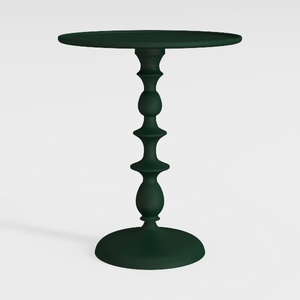

Minimalist Dark Green Metal Turned Base Side Table 3D Model

Modern Green Velvet Tufted Extra Large Sofa 3D Model

Modern Dark Green Fabric L Shaped Sectional Sofa with Throw Pillows 3D Model
Discover your dream home with Homestyler! This user-friendly online design platform offers powerful tools for creating stunning interior spaces. Enjoy vibrant 3D renderings, a wealth of design projects, and engaging DIY video tutorials. Transform your ideas into reality effortlessly—perfect for homeowners and design enthusiasts alike!
Design Now for FREE
































