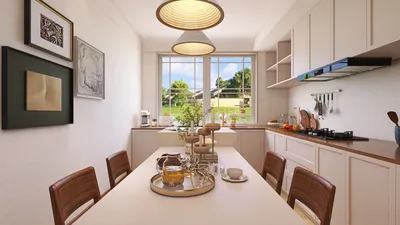


The role of structural design in interior design is pivotal, as it directly addresses the safety, stability, and usability of any given area. This aspect covers the thoughtful integration of structural components alongside aesthetic values to cultivate a cohesive environment. Interior designers often Work hand-in-hand with architects and engineers to guarantee that spaces are not only visually appealing but also adhere to the necessary safety codes and regulations. This teamwork is crucial since the structural durability of a building greatly influences the layout, the types of materials utilized, and the arrangement of furniture. Essentially, structural design includes everything from load-bearing walls, beams, and columns to selecting materials that can uphold the envisioned design. For example, opting for an open-concept layout may necessitate the removal of specific walls, thereby requiring robust beams to ensure the space remains stable. On the other hand, a well-conceived interior structure can also elevate the visual aesthetics, allowing for innovative explorations of shapes, lines, and forms in line with the designer's concept. Additionally, structural design is increasingly intertwined with sustainability. Given the rising emphasis on environmentally friendly designs, interior designers are now factoring in how structural components can enhance energy efficiency and minimize waste. For instance, incorporating natural light through strategically placed windows and choosing sustainable materials can both boost structural efficiency and enhance the spatial atmosphere. The infusion of technology into structural design is gaining traction as well. Advanced design software tools facilitate the visualization of structural elements in three-dimensional space, making it simpler for designers to experiment with various layouts and materials prior to finalizing their designs. Platforms like Homestyler provide features that empower designers to draft precise floor plans and visualize the interaction between structural components and the overall interior design. Ultimately, structural design is an essential element of interior design, promoting safety, functionality, and visual harmony. By grasping the relationship between structural integrity and design features, designers can craft spaces that are not only visually stunning but also functional and sustainable.
Tips for Consideration:
When embarking on your interior design journey, make sure to evaluate the structural aspects that will affect your design decisions. Engage with industry professionals to guarantee safety and adherence to regulations.
Frequently Asked Questions
Welcome to Homestyler!
Design Now for FREE
































