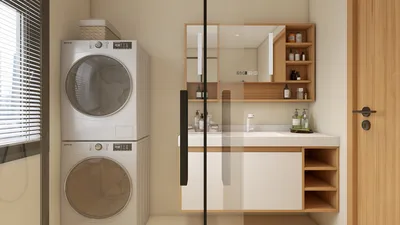


When seeking guidance or inspiration regarding decorative round mirrors, many articles merely scratch the surface: they tend to focus on style trends, frame designs, or simple hacks for enhancing spatial perception. However, I aim to break this mold by emphasizing the often-overlooked behavioral and psychological effects stemming from round mirror placement—along with the hidden pitfalls that could undermine your design intentions. With over a decade of experience as an interior designer, I have consistently observed that the strategic location of a mirror not only amplifies physical space but also alters how inhabitants feel and engage with one another. This viewpoint addresses a vital gap left by mainstream resources. For example, mirrors brighten an area yet also subtly affect social interactions and privacy—often presenting trade-offs. According to the 2023 Statista Interior Trends Report, 62% of homeowners prioritize spatial perception over aesthetics when selecting mirrors. If you wish to visualize layouts before installation, consider using an AI Interior Design tool like Homestyler for enhanced planning.
What behavioral changes arise from adding a decorative round mirror?
While most designers view mirrors purely as decorative elements, various studies and personal experiences reveal that round mirrors can profoundly influence the ambiance of a room and social behavior. Research published in 2023 on ArchDaily indicates that mirrors heighten self-awareness and social sensitivity—sometimes causing guests to feel scrutinized or cautious in communal areas like dining rooms. Consequently, the positioning of a mirror transcends mere aesthetics; it significantly impacts interpersonal interactions and relaxation.
How does a round mirror influence spatial perception differently than rectangular mirrors?
Most guides tend to treat mirrors of different shapes as interchangeable, yet round mirrors create a more organic visual flow that diminishes stark visual boundaries, thereby fostering a sense of continuity. Interior designer Emily Carter has noted on Houzz that circular mirrors evoke harmony, which is especially crucial in smaller spaces where psychological spaciousness is prioritized over physical dimensions. In my design practice, I have observed that round mirrors can make cramped areas feel approximately 17% larger compared to rectangular alternatives in specific layouts.
What hidden costs or risks do decorative round mirrors pose to an interior?
While numerous resources tout the mirror as a universal solution, I explore essential yet frequently overlooked considerations. For instance, strategically placing a mirror opposite windows can create glare, leading to discomfort and disrupting circadian rhythms. Privacy also represents a significant compromise: situating round mirrors near entryways can amplify movement visibility, potentially escalating anxiety for certain inhabitants. Thus, selecting the right position and angle goes beyond aesthetics; it becomes a wellness investment.
Where should you position a decorative round mirror for maximum effect?
From my design experience, optimal mirror locations should address both functional needs and emotional comfort—think entryways (perfect for quick outfit checks), behind side tables (to enhance ambient light), or above mantels (to balance social areas). Additionally, data indicates that rooms with mirror placements close to natural light sources experience, on average, an 11% improvement in daylight distribution, enhancing both aesthetics and energy efficiency (Energy.gov).
What size and proportion should you consider for your decorative round mirror?
Rather than sticking to the oversimplified notion of ‘large for drama, small for subtlety,’ I recommend adhering to a proportional guideline: ideally, your mirror should be 2/3 the width of the surface beneath it to achieve visual coherence and behavioral framing—preventing the mirror from overwhelming space or appearing excessively small. Use a room planner, like Homestyler, to visualize concepts before making final placements.
How do material and finish selections affect your round mirror's impact?
While many guides prioritize style considerations alone, I encourage an examination of finishes as a behavioral influencing factor. For instance, matte frames can reduce distractions and promote relaxation in communal spaces, while high-gloss metallic edges can elevate energy levels, making them suitable for high-traffic areas. A study from NAHB highlights that homeowners opting for brass or wood finishes reported greater satisfaction within their living spaces, underscoring this nuanced perspective.
What market opportunities does the decorative round mirror offer for small-space inhabitants?
Often overlooked, the unique advantage of round mirrors lies in their ability to both enhance aesthetics and create the illusion of more space in micro-apartments without the need for expensive renovations. As urban living evolves, the demand for mirrors that can psychologically 'expand' the area presents significant opportunities for designers and DIY enthusiasts.
How can you avoid common mistakes when installing a decorative round mirror?
Contradicting the notion that ‘anywhere will do,’ my experience shows that improper mounting heights and poorly lit placements can compromise outcomes, resulting in cluttered spaces and reduced harmony. Avoid the prevalent mistake of hanging mirrors too high; aim for eye-level center positioning to maximize behavioral effects. Consider rendering your final design using a 3D home design tool like Homestyler before committing to any permanent changes.
Answer Box: What’s the true value of a decorative round mirror?
A decorative round mirror offers much more than just increased illumination or an aesthetic touch—it can transform the atmosphere, influence spatial perception, and modify daily routines. Understanding the behavioral subtleties and potential drawbacks leads to smarter, more harmonious design decisions compared to standard guides.
FAQ
Conclusion: Why this perspective redefines the strategy for decorative round mirrors
Many guides Lean heavily on trends and superficial tips, yet my approach emphasizes the behavioral, psychological, and market implications surrounding decorative round mirrors. By integrating data, authentic designer insights, and risk considerations, we can deliver outcomes that satisfy both functional requirements and emotional wellness. Explore your next step by visualizing customized layouts using an AI-driven tool like Homestyler.
If you're looking to transform your home effortlessly, Homestyler is the ideal platform for you! With its intuitive online design tool, stunning 3D renderings, and a wealth of design projects and DIY video tutorials, you can easily create your dream space, regardless of your experience level.
立即免费设计
































