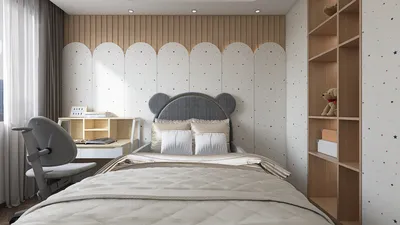


As the future unfolds through the corridors of urban living, contemporary New Yorkers grapple with issues such as storage constraints, privacy concerns, and circulation challenges. The spatial reasoning toolkit has evolved to feel like more than just software; it now resembles a lens through which we can view a luxury apartment's floor plan in 3D—where the value of adaptable spaces will outweigh mere square footage in the coming decade. The AIA has observed a sustained demand for versatile, multi-purpose rooms, leading me to approach these designs as essential updates to a home’s operational framework, much like the Homestyler design tool.
Split-Core Gallery Axis
Design Principle: A central gallery serves as the primary axis, seamlessly dividing private and communal spaces while ensuring a harmonious balance of art, light, and acoustics for a future-oriented hybrid lifestyle.
Flow: The design flows in an organized manner: from the entryway to the gallery spine, then progressing to the living area and the kitchen bay, with a parallel route leading to the bedroom suite and wellness pod—creating intuitive pathways with minimal latency.
Sightlines: Extended axial perspectives establish a user interface hierarchy: prioritizing the city skyline, followed closely by artistic displays, while minimizing service doors akin to background processes.
Storage Solutions: Deep wall niches and under-gallery drawers function as tiered storage options: placing frequently used items near the central spine and less accessible storage at the outer edges, all efficiently indexed.
Furniture Integration: A slim sectional and a 96-inch dining table align perfectly along the axis; the bed with an integrated headboard is perceived as a cohesive unit, respecting door swing limits and maximizing space.
Final Assessment: This central spine anticipates the needs of both guests and remote workers, while accommodating daily rituals—years from now, it will still feel effective, much like a system that updates seamlessly without disruption.
save pinOpen in 3D Planner Processing...
Perimeter Panoramic Loop
Design Principle: A circular, windowed loop embraces the skyline as the operational dashboard; rooms are connected to the perimeter, synchronizing daily routes with natural light rhythms and the vibrancy of urban life.
Flow: The living areas flow in a clockwise direction: starting from the lounge to the kitchen peninsula, then to a reading nook, and ultimately to the balcony; private spaces branch inward to minimize foot traffic.
Sightlines: Vision travels from the edges inward, creating a sense of depth from the glass exterior to the thoughtfully designed interior layers; utility doors are positioned as tertiary elements, never obstructing the overall flow.
Storage Solutions: Continuous millwork along the perimeter functions as a streamlined storage system: cleverly concealed, well-labeled, and specifically zoned—this outer ring significantly reduces retrieval times.
Furniture Integration: A curvy sofa, low-profile consoles, and modular lounge chairs adapt to the round design; the dining set is nested seamlessly against the peninsula, like a polished API call.
Final Assessment: This loop design enhances the apartment’s efficiency, ensuring that daily activities flow smoothly, akin to a well-optimized thread, even as family dynamics evolve.
save pinOpen in 3D Planner Processing...
Nested Suite with Flex Kernel
Design Principle: A core flexible room functions as the heart of the apartment—serving as a workspace, guest area, or media center—while the surrounding bedroom and bath ensure noise isolation and maintain privacy.
Flow: From the foyer to the flexible core equipped with sliding partitions, leading to the ensuite path and a buffered closet; the necessary services operate in the background, ensuring a seamless experience.
Sightlines: A layered approach to transparency: partial glass promotes awareness without compromising privacy; the main living areas retain an uncluttered look, resembling a sleek UI hierarchy.
Storage Solutions: A vertical pantry, double-depth wardrobes, and concealed bench storage create a multi-tiered cache system equipped with intelligent indexing and overflow management.
Furniture Integration: A wall bed designed for 30-inch clearances, a media wall covering 12 feet, and a task table connected to power rails—crafted with precision to accommodate future uses.
Final Assessment: This flexible space adapts easily to life changes—whether it's accommodating a child, a home studio, or visiting family—maintaining elegance and functionality amid urban transformations over the next five years.
save pinOpen in 3D Planner Processing...
Final Thoughts
In the realm of luxury apartment floor plans in 3D, the emphasis has shifted from mere visual dramatics to orchestrating effective flows, vantage points, and storage strategies that prepare daily living for the future. Throughout my projects, I incorporate diverse concepts—such as panoramic loops, split-core axes, and flexible cores—into compact designs that function like living interfaces. From my perspective, the most intelligent urban residences will not expand dramatically; instead, they will evolve to become more refined, and I firmly believe that these thoughtfully designed nodes will continually transform how my clients experience their living spaces with tools like Homestyler.
Homestyler's roots trace back to Autodesk, the global leader in design and engineering software. That heritage lives on in every feature we build. Today, with a community of more than 18 million users worldwide, Homestyler continues to make professional-quality interior design accessible to everyone — from first-time decorators to seasoned architects.
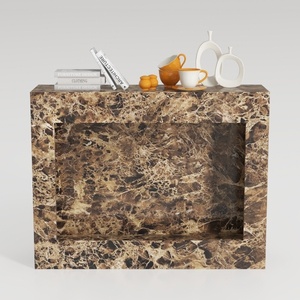

Marble Contemporary Console Table 3D Model
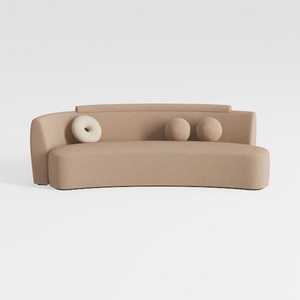
Yozma Curved Chenille Sectional Sofa Beige, Dual D
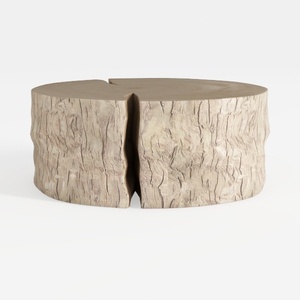
Rustic Solid Wood Split Log Coffee Table 3D Model
Discover your home’s potential with Homestyler! This user-friendly online design platform features an intuitive design tool, stunning 3D renderings, and a wealth of DIY video tutorials. Transform your ideas into reality and explore endless design possibilities with ease. Perfect for all skill levels!
Zaprojektuj teraz za darmo
































