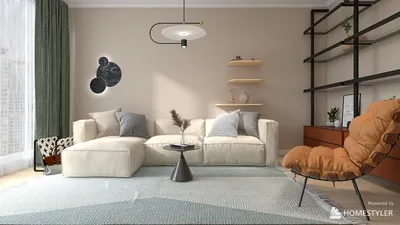


Table lamps have significantly evolved from their origins when candlelight and oil lamps were the primary sources of illumination. Nowadays, these modern lighting fixtures not only provide light but also serve as distinctive decor items that enhance any interior design scheme. This transformation of table lamps arose through a gradual exploration of diverse materials and innovative technologies over time.
The inception of table lamps dates back to ancient civilizations, where lighting was generated using animal fat, beeswax, and olive oil. These primitive lamps were typically crafted from clay or stone, featuring wicks made from braided cotton or linen. As the years progressed, the use of more sophisticated materials such as brass, bronze, and silver enabled the creation of more elaborate lamps adorned with intricate designs and artistry.
In the 19th century, gas lighting made its debut, resulting in the production of gas lamps that illuminated homes and streets alike. However, these gas lamps came with their own challenges, including high installation and maintenance costs, as well as safety concerns due to the risk of fire. This backdrop paved the way for the invention of electric lamps in the late 1800s, which dramatically changed the lighting landscape. Soon after, table lamps were designed with electric bulbs as a primary feature, marking a significant milestone in their evolution.
Today, table lamps are crafted from a diverse range of materials, including glass, metal, wood, and plastic, each offering unique traits that suit different lamp designs. For instance, glass is often chosen for decorative lamps due to its ability to be molded into elaborate forms and patterns. Metal is favored for contemporary and industrial-style lamps because of its strength and sleek aesthetic. Meanwhile, wooden lamps capture a rustic or vintage charm, appealing to those who appreciate a more organic feel. Lastly, plastic—though less durable—is popular in budget-friendly lamp designs that allow for easy replacement or updates.
The variety of table lamp styles also contributes to their versatility, ranging from traditional and classic designs to modern and minimalist forms. Some table lamps prioritize functionality, providing ample lighting for reading or other activities, while others emphasize decorative aesthetics, becoming focal points within a room. Regardless of their style or function, table lamps remain a crucial element in home lighting and interior design, with tools like Homestyler making it easier than ever to visualize how they fit into your space.
Progetta ora GRATIS
































