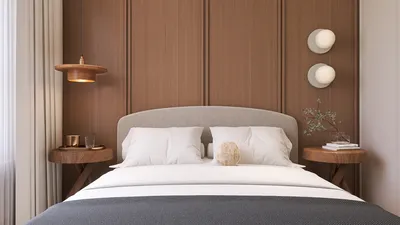


Rolling coffee tables address a genuine need: living spaces are dynamic and can evolve throughout the day. I utilize them to connect seating areas, maintain clear pathways, and facilitate various activities without needing to move heavy furniture across your flooring. Their size is typically modest, ranging from 18 to 28 inches in diameter or width, yet they offer significant utility by allowing you to position a surface precisely where it's needed.
Movement is intended to enhance comfort rather than create disorder. In adaptable living rooms and compact offices, mobile surfaces complement research findings by Steelcase, which indicates that 41% of office employees alternate between individual and collaborative tasks daily, and over half express a preference for movable furniture that allows for quick spatial adjustments. Additionally, WELL v2, which focuses on Light and Movement concepts, highlights the benefits of mobility and shifting postures as a means to reduce sedentary time, supporting the case for incorporating rolling tables into hybrid environments. Regarding lighting, aim for horizontal illuminance levels between 200 and 300 lux near seating, according to IES recommendations, to ensure visibility when the table is in use within task areas.
Proportions and Spatial Ratios
I strive for a table-to-sofa seat height ratio between 0.85 and 1.0; for a sofa height of 18 inches, a table between 16 and 18 inches is appropriate for comfortable reach and healthy wrist alignment. In smaller rooms, ensure there is a rolling clearance of 24 to 30 inches between the table's edge and the main circulation paths—this is necessary to maneuver the table without bumping into legs. For L-shaped seating arrangements, I prefer clustering two smaller wheeled tables instead of a singular large one; this arrangement allows you to navigate the corner more easily while keeping passages unobstructed.
Material Choices and Sustainability
Given that casters concentrate weight at four points, the integrity of materials is critical. I recommend using compact laminate or solid wood for table tops to resist dents and opting for powder-coated steel frames for strength. If you prefer stone, keep the thickness between 12 and 15 mm with lightweight substrates to reduce heavy mass when rolling. Choosing low-VOC finishes and FSC-certified woods contributes to healthier indoor environments; WELL v2 guidelines on materials support reduced emissions and transparent sourcing. For durability, I like using sealed oak, matte walnut, or Fenix compact laminate as they offer soft-touch finishes that resist fingerprints.
Caster Quality and Floor Compatibility
Smooth mobility hinges on the quality of casters. Opt for 2 to 3-inch diameter soft rubber casters for hard flooring and hard nylon casters for plush rugs. Ensure that locking mechanisms are easily accessible from a seated position rather than hidden beneath the frame. In homes with thick carpeting, dual-wheel casters more effectively distribute weight and reduce trenching. If radiant heating is installed, avoid metal casters that lack soft treads to minimize micro-scratches over time.
Ergonomics and Reach Comfort
When seated, the average comfortable reach is 16 to 20 inches; position the table so that its front edge aligns within that range and doesn’t extend over the shins. For versatile working needs, a compact wheeled table can double as a laptop workstation; keep the top depth between 18 and 22 inches to adequately support forearms while ensuring a neutral shoulder alignment. Rounded edges help minimize injury risks when navigating tight spaces, and a chamfered edge can alleviate pressure points during extended reading.
Light Environment, Glare, and Color Psychology
While glossy finishes may appear luxurious, they often induce glare when paired with ambient lighting below 3000 to 3500K. I avoid high-gloss materials near windows and choose satin or ultra-matte finishes to maintain a gentle contrast in luminance. If a living room is illuminated with cooler tones, introducing warmer materials—like walnut, brass accents, or terracotta—can enhance the perception of coziness. According to Verywell Mind’s research on color psychology, employing warm shades subtly, such as on edge bands, wheels, or tray inserts, can elevate the mood without the need for a complete repainting.
Styles That Move Well
- Minimalist: Sleek profiles with hidden casters create the illusion of magic rather than mechanical function.
- Mid-century modern: Rounded corners, walnut veneer, and understated black domed casters. Keep hardware subtle and minimal.
- Industrial: Sturdy angle-iron frames with powder-coated finishes, solid wheels, and rivet accents, balancing heavy design with a hollow-core tabletop.
- Contemporary soft-modern: Features like upholstered bases with inset casters and removable tray tops are ideal for family rooms, where warmth is essential.
Layouts: Positioning and Flow
Effective rolling tables should enhance layout rather than obstruct. Position one table close to secondary seating and another along the aisle, allowing guests to easily reposition them as needed. In studio apartments, align the table parallel to traffic patterns so it can move in sync with your movements. A digital mock-up of the room can help visualize turning radii, seating clearances, and reach spaces. Try utilizing a room layout tool, like Homestyler, to simulate positioning and rolling pathways.
Acoustic and Behavioral Considerations
On hard surfaces, hollow frames can create noise when moved; employing felt-lined bottoms and rubber-bonded casters helps attenuate sound. In shared environments, the act of rolling a table often signifies a shift in activity. I design layouts with sightlines that allow the table to be stored discreetly—whether beneath console tables or alongside chairs—to minimize visual clutter when the space needs to return to calm. Incorporating a small under-shelf can conceal remote controls and chargers, reducing surface clutter.
Storage, Cable Management, and Tech-Friendly Upgrades
For tech-oriented setups, consider adding a flip-down cable clip beneath the surface and a single grommet for hidden charging options. Utilize braided cables with magnetic ends to prevent dangling hazards when the table is repositioned. If storage is a concern, keep shelf heights between 4 and 6 inches to maintain legroom; taller compartments can make the table appear bulky and unwieldy.
Safety and Maintenance
Ensure that at least two casters feature locking capabilities; for sloped surfaces, all-locking options may be beneficial. Soft treads help protect wooden floors, and adding clear pads where the table regularly rests can prevent wear on the finish. For ongoing maintenance, a weekly cleaning with pH-neutral soap can remove oils that impair caster effectiveness. Inspect bolts quarterly, as rolling tables face micro-shocks from transitions between different types of flooring.
Small Spaces, Big Impact
In smaller areas, mobility proves more advantageous than size. Pairing a 20-inch wheeled table with a nesting side table offers greater versatility than a large fixed coffee table. Maintain a light visual weight with open bases and slim profiles, leaving an 8 to 10 inch reveal of rug around the table to enhance flow and make repositioning intuitive.
Buying Checklist
- Table height: 16 to 18 inches for compatibility with most sofas
- Top size: Ideally 18 to 24 inches (round) or 20 to 24 x 16 to 20 inches (rectangular)
- Casters: 2 to 3 inches in diameter; soft tread for hard surfaces, hard tread for rugs
- Locks: Minimum of two, easily operable with the thumb
- Finish: Opt for matte or satin to mitigate glare
- Frame: Seek out powder-coated steel or quality hardwood joints; avoid flimsy tubular frames
- Sustainability: Favor low-VOC finishes, certified wood, and repair-friendly caster mounts
FAQ
Q1: What size is ideal for compact living rooms?
A: Target dimensions around 18 to 24 inches in diameter or similar rectangular sizes to maintain clear pathways while providing a functional surface within a 16 to 20 inch reach from seating.
Q2: Are locking casters necessary?
A: Absolutely. Using two or more locks is essential to prevent movement during meals or while working on devices, particularly on slightly inclined surfaces or if pets may bump the table.
Q3: How can I prevent glare on the tabletop?
A: Select finishes that are matte or satin, and maintain ambient lighting around 200 to 300 lux as per IES guidance. Adjust fixture angles to minimize reflections on glossy surfaces.
Q4: Will rolling tables damage my hardwood floors?
A: To avoid damage, use soft rubber casters and place clear dock pads where the table most frequently rests. Keep grit regularly cleaned to prevent scratches.
Q5: Can I use a small wheeled table as a laptop desk?
A: Yes, provided you keep the depth between 18 and 22 inches and ensure the height is close to your sofa seat (16 to 18 inches) to facilitate comfortable wrist and shoulder positioning.
Q6: What materials feel upscale without adding excessive weight?
A: Options such as compact laminate, sealed hardwoods (like oak or walnut), and thin stone on lightweight substrates work well. Powder-coated steel frames offer both strength and lightness.
Q7: How many tables should be included in an L-shaped seating arrangement?
A: It's best to use two smaller wheeled tables rather than one large one. This allows for effective corner serving while ensuring 24 to 30 inches of walking space is preserved.
Q8: Any recommendations for homes with children or pets?
A: Opt for rounded edges, soft casters, and secure locking systems. Matte finishes are great for hiding smudges, and a shallow under-shelf can keep small items orderly.
Q9: What table style complements mid-century furnishings?
A: Utilize walnut or matte oak tops with rounded corners and subtle black casters for a cohesive look. Keeping hardware minimal can help the mobility feel seamless rather than mechanical.
Q10: How do I plan table placement before making a purchase?
A: Use tape to map clearances or employ a digital layout planner to assess rolling pathways and docking locations. Simulate 24 to 30 inch paths around seating areas.


Homestyler is the ultimate online home design platform for anyone looking to create stunning interiors. With its user-friendly design tool, impressive 3D renderings, a vast array of design projects, and helpful DIY video tutorials, it makes home design accessible and fun for everyone!
Design jetzt kostenlos
































