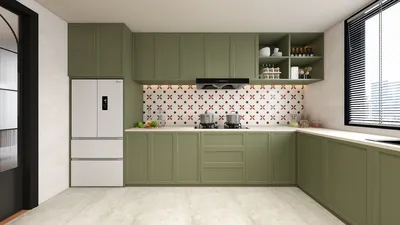


A diwan sofa enhances modern living rooms with its sophisticated and lounge-like appeal, seamlessly blending the comfort of a daybed with an artistic structure. I prefer clean designs, well-considered proportions, and inviting fabrics that exude a contemporary vibe while respecting the versatile tradition of the diwan. In open concept layouts, the diwan serves as a focal point for socializing, a cozy reading nook, and a visual break within the space.
The arrangement of seating is influenced by scale and flow. Research from Gensler shows that 59% of individuals favor adaptable seating that accommodates various activities, highlighting the diwan’s hybrid functionality. WELL v2 advocates for glare reduction and evenly distributed ambient/task lighting to enhance comfort and relaxation, aligning perfectly with the low-profile diwan that maintains clear sightlines (refer to WELL v2 for insights on lighting and visual comfort). Such findings underscore the diwan’s integral role in creating flexible, human-centric environments.
Understanding color psychology is essential. According to Verywell Mind, warm neutrals promote relaxation, whereas cooler shades help minimize visual chaos. I keep the base color of the diwan serene—selecting shades like taupe, ivory, or slate—and then introduce colors through cushions and throws to adjust the atmosphere without confining the space to a single color scheme. This method allows me to refresh the room's feel each season without significant costs.
Diwans That Fit Contemporary Spaces
• Linear diwan with bolster: A timeless design ideal for minimalist settings. The bolster ensures lumbar support while maintaining a sleek appearance.
• Curved diwan: This shape softens angular designs and aids in directing movement within open areas, effectively pulling a seating arrangement together with gentle arcs.
• Platform diwan: With its elevated plinth base, this option visually lightens the space; perfect for rooms needing a more open feel. I often recommend a low seat height of around 13–16 inches for a relaxed lounging experience.
• Modular diwan: Flexible sections can create a chaise-like seat or dual-sided seating, making it perfect for smaller apartments that require multifunctional spaces.
Strategies for Placement and Movement
I position the diwan with 30–36 inch circulation paths to facilitate free movement. In compact living areas, I place the diwan parallel to the media wall and use a slim side table to prevent overwhelming the space visually. For longer areas, the diwan acts as a bridge—set perpendicular to a sofa to delineate conversation and reading zones. To ensure proper spacing and adjacency before finalizing, I utilize layout simulation tools like the Homestyler to visualize pathways, view lines, and light distribution.
Choosing Fabrics, Textures, and Practicality
Modern design doesn’t equate to coldness. I complement tight-weave upholstery (such as performance linen blends, bouclé, or mohair-velvet) with textured cushions—like ribbed knits or subtle patterns—for added depth. In homes with children or pets, I recommend stain-resistant materials and removable cushion covers. For environmental sustainability, I seek out FSC-certified frames and low VOC foams, aligning with WELL's air quality and material guidelines. A diwan achieves a particularly contemporary look with stone or wooden bases paired with matte metal features.
Focus on Ergonomics and Comfort
The low, lounge-oriented design of the diwan can be incredibly comfortable if supported properly. A seat depth of about 23–26 inches works well for most loungers; I add a combination of 20–24 inch back cushions alongside a bolster for lumbar support. Findings from Steelcase’s workplace research suggest that varying postures enhance comfort and engagement; applying this principle at home, I incorporate upright lounge chairs with the reclined diwan to offer varied seating options.
Illuminating the Diwan Area
Layered lighting transforms the diwan from a mere seat into a serene sanctuary. Ambient lighting at 200–300 lux ensures a harmonious room atmosphere, while a floor lamp with a color temperature of 2700–3000K positioned near the diwan provides warm, glare-free task lighting for reading. I follow IES standards to prevent high contrast ratios and utilize shielded fixtures to avoid harsh illumination. Dimmable circuits facilitate effortless transitions from daytime activities to evening relaxation.
Color Schemes That Complement
• Soft Neutrals: An ivory diwan paired with camel and almond cushions, complemented by a blackened steel table and a natural jute rug, creates a calming and versatile look.
• Monochrome Cool: A slate diwan with charcoal and fog accents, alongside a brushed nickel lamp, minimizes visual noise in tech-savvy spaces.
• Earth-Toned Modern: An olive diwan accented with rust pillows and a smoked oak base offers a grounded yet inviting aesthetic without feeling too heavy.
• High-Contrast Minimal: Bone upholstery contrasts with an onyx base and a standout saffron bolster, creating a striking focal point in any room.
Creating Zones with a Diwan
In open layouts, a diwan can establish a cozy micro-zone without the need for imposing walls. I often use a low rug and a slender console positioned behind the diwan to create a defined area and manage cable visibility. When a living area also functions as a workspace, positioning the diwan across from a lounge chair at a round coffee table invites brief, informal conversations while keeping screens out of sight.
Small Space Solutions
• Choose armless or single-arm diwans to minimize visual bulk.
• Select raised legs to showcase more floor space and enhance lightness.
• Favor storage tables with rounded edges to facilitate movement.
• Where possible, mount lighting to keep the floor area clear.
• Select medium-scale patterns to avoid overwhelming the visual field.
Material Choices and Durability
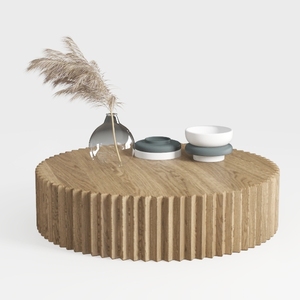
Combine the diwan with a micro-sealed oak coffee table and a wool-blend rug for durability and sound absorption. The structure of wool fibers helps absorb sound and feels solid underfoot, contributing to acoustic comfort in lively environments. For sunlit areas, I opt for solution-dyed acrylic or blended performance textiles to prevent fading. With pets in the house, prioritize tight weaves while avoiding larger loops found in boucle fabrics.
Accents and Styling Tips
Sleek trays, sculptural vases, and a couple of carefully chosen art books create an intentional yet uncluttered diwan setting. To enhance modernity, I utilize asymmetrical arrangements: pairing a taller floor lamp with a lower side table, and offsetting a single statement cushion with a tonal pair. This design strategy results in an effortlessly stylish atmosphere.
Example of Real-World Layout Flow
In a 14x18 ft living room featuring a wall of windows, I position a curved diwan approximately 8–10 inches from the edge of the rug, align a lounge chair at a 45-degree angle across from it, and ensure a 34-inch pathway to the window for unobstructed access to natural light and ventilation. This layout maintains close conversation triangles (7–9 feet) and preserves sightlines to outside views.
Maintenance and Longevity Tips
Weekly vacuuming using an upholstery attachment and rotating cushions every three months help maintain the diwan's appearance. Prompt spot cleaning with a gentle fabric-safe solution is essential. For wood bases, applying a micro-poly finish every few months keeps them resistant to minor damages. This routine aids in preserving the sharp, modern profile of the furniture over the years.
For flexible seating options and human-oriented comfort, I frequently reference Gensler Research and WELL v2 standards for lighting and materials. These resources substantiate my choices, ensuring the diwan is both aesthetically pleasing and genuinely functional for everyday use.
FAQ
Q1: What makes a diwan ideal for modern living spaces?
A1: The sleek lines, low profiles, and adaptable ergonomics of a diwan combine minimalistic design with lounge-like comfort, effectively suiting open layouts and multifunctional areas.
Q2: How do I determine the proper size?
A2: Begin by measuring clear circulation paths, ensuring at least 30–36 inches around the diwan. For medium-sized rooms, aim for seat lengths between 72–84 inches; smaller areas can manage 60–68 inches.
Q3: What are the best fabric choices?
A3: Optimal fabrics include performance linen blends, tightly woven bouclé, mohair-velvet, or solution-dyed acrylic fabrics for brighter spaces. Look for stain-resistant qualities and removable covers for added practicality.
Q4: How should I light the diwan area effectively?
A4: Aim for ambient lighting of about 200–300 lux, with a task lamp's color temperature set to 2700–3000K. Incorporating dimmers and shielded fixtures can help control glare as recommended by IES.
Q5: Is it feasible to include a diwan in a small apartment?
A5: Absolutely—consider armless or single-arm styles, elevated legs, and medium-scale patterns. Keeping pathways clear and incorporating compact round tables can facilitate movement.
Q6: How do I align a diwan with additional seating arrangements?
A6: Pair the diwan with an upright lounge chair and a slim ottoman to create varied seating options, an approach supported by workplace comfort research conducted by Steelcase.
Q7: What color schemes provide a modern yet warm feel?
A7: Warm neutrals (such as ivory, camel, and almond) or soft monochromatic options (like slate and fog) paired with textured cushions create a welcoming environment. Use accent colors minimally for effective focus.
Q8: Are there sustainable choices I should consider?
A8: Look for FSC-certified wood frames, low-VOC foams, and durable performance fabrics that adhere to WELL's sustainability and air quality principles while enhancing longevity.
Q9: How can I prevent the diwan from obstructing sightlines?
A9: Position it slightly off the rug, maintain a low back height, and angle adjacent seating to keep visual paths clear to windows or focal features.
Q10: What depth is ideal for seating?
A10: A depth of approximately 23–26 inches promotes lounging comfort. Incorporate cushions of various sizes and a bolster to tailor lumbar support based on individual needs.

Boucle Fabric Solid Wood Base Modern Sofa 3D Model

Minimalist Solid Wood Linen Armchair with Throw Pillow 3D Model
Homestyler is your go-to online home design platform that simplifies the creative process. With its user-friendly design tool and impressive 3D rendering features, you can visualize your dream spaces effortlessly. Plus, explore various design projects and watch DIY video tutorials to inspire your next home makeover!
Design Now for FREE
































