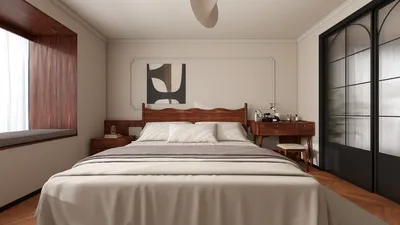


Having designed and furnished numerous compact homes, studio apartments, and micro-offices, a recurring winter query emerges: which small room heater provides efficient warmth without occupying essential floor space? The solution lies in achieving a balance of output, safety features, and strategic placement. For rooms measuring 120 to 180 square feet, selecting a heater with a power range of 750 to 1500 watts can significantly enhance perceived comfort, especially when paired with effective zoning and air sealing. Steelcase research indicates that thermal comfort and personal control play critical roles in enhancing satisfaction and productivity in work environments, where systems allowing occupants to adjust the temperature show noticeable improvements in wellness and concentration (Steelcase Research). Moreover, the WELL v2 standard stresses the importance of thermal comfort, endorsing customized strategies to alleviate discomfort and drafts, which is particularly relevant in compact spaces where heat stratification frequently occurs (WELL v2 Thermal Comfort).
Beyond warmth, lighting and acoustics also contribute significantly. As per IES guidelines, managing glare and achieving balanced illuminance helps mitigate visual fatigue, which often heightens when heaters create wavering heat near task lights (IES standards). From a behavioral standpoint, the Interaction Design Foundation highlights that users' perceived control over their environment enhances their experience and diminishes stress; a small heater equipped with adjustable settings and an easily readable thermostat can provide this control in micro-spaces (Interaction Design Foundation). This emphasizes that selecting the right heater transcends mere BTU ratings—it's also about ergonomics, comfort indicators, and empowering user autonomy.
What Makes a Small Room Heater "Best" for Tight Spaces
When it comes to compact areas, I focus on the footprint, power-to-size ratio, and adherence to safety standards. An optimal choice should provide 5,100 to 5,200 BTUs (typical for 1500W electric units), operate quietly, and feature tip-over protection, overheat shutoff, and cool-touch exteriors. Seek heaters that include programmable thermostats and diverse modes—eco, low (750–900W), and high (1200–1500W)—allowing you to adjust power consumption based on the time of day. In small bedrooms and workspaces, maintaining an operation level under 45 dB minimizes acoustic fatigue. Human-factor considerations like rounded edges, a stable base, and clear displays enhance safety by preventing accidental contact and facilitating nighttime adjustments.
Heater Types Suited to Small Rooms
• Ceramic convection: Provides swift and even heating for compact areas of 120 to 200 square feet.
• Infrared/quartz: Delivers direct, gentle warmth, perfect for heating specific seating or work areas without stirring up dust.
• Oil-filled radiator: Though slower to reach temperature, they offer consistent, quiet heat; ideal for bedrooms due to their low noise and lack of exposed heating elements.
• Panel heaters (wall-mounted): They conserve floor space and provide a steady warmth background; pair with a smart plug for optimal scheduling.
• Baseboard micro-heaters: These units fit discreetly along walls and are effective at preventing cold drafts from windows.
Safety and Ergonomics in Compact Layouts
In smaller rooms, maintaining clearances and reach zones is vital for safety. Ensure a minimum distance of 3 feet from textiles and curtains, while also keeping a direct airflow route that avoids blowing across task lights or paper stacks. Route cables along wall edges with strain relief to mitigate trip hazards. For homes with young children or pets, opt for heaters with tip-over sensors and an auto-lock control panel. In micro-offices, I recommend heaters that minimize visual clutter; neutral finishes and straightforward interfaces help in reducing cognitive load.
Placement Strategies for Better Thermal Comfort
Heat distribution in smaller spaces can be misleading; corners may trap cool air and windows can create drafts. Position the heater opposite the primary seating or work area to avoid direct airflow at face level. Radiant heaters should be placed near seating arrangements, while convection units perform optimally along interior walls for better circulation. If you're rearranging furniture to enhance airflow, utilizing a room layout tool can effectively simulate arrangements, streamline clearances, and visualize throw paths before you commit to moving substantial pieces:
room layout tool
Energy Use and Smart Control
Implementing a thoughtful heating schedule can conserve energy while maintaining comfort. Utilize eco mode for background warmth and a burst of high heat for 30-60 minutes upon returning home. In small bedrooms, preheat the space and then switch to low settings to avoid overheating at night. Thermostats featuring a differential of 1-2°F can reduce cycling noise. Smart plugs or integrated timers can help minimize unnecessary runtime and allow for occupancy-driven heating. Using a heater in combination with a door sweep and window insulation can significantly decrease heat loss more efficiently than simply increasing wattage.
Acoustic Comfort and Visual Balance
In compact environments, the noise from fans or relay clicks is amplified. Opt for models featuring brushless DC motors or oil-filled cores for quieter performance. Visually, a slimmer vertical heater placed alongside a vertical element (such as a bookshelf or window mullion) appears more aesthetically pleasing than a bulky unit occupying the center of the room. Ensure clear sightlines; avoid positioning the heater where it takes away from the focal wall or disrupts task lighting angles.
Materials, Durability, and Indoor Air Quality
Enclosures crafted from matte, heat-resistant materials or powder-coated metals are better at resisting scuffs and reducing glare. Furthermore, a washable intake filter helps with dust management. For those susceptible to allergies, infrared or oil-filled heaters limit air movement. If the room features natural wood flooring or textiles, coordinating heater finishes with a neutral color palette—such as charcoal, warm gray, or off-white—will maintain visual harmony.
My Shortlist: Compact Heater Features I Keep Recommending
• 750–1500W with eco mode and a precise thermostat.
• Tip-over and overheat protection; cool-touch housing.
• Operates under 45 dB or features a silent oil-filled core.
• Stable base and rounded edges; easy-to-grip handle.
• Clear display with large digits; optional child lock.
• Radiant option for seating areas; ceramic convection for whole-room heating.
• Panel-mounted when floor space is limited.
• Smart scheduling via plug or built-in timer.
Layout, Zoning, and Seasonal Adjustments
During winter months, shift seating 6 to 12 inches from exterior walls, ensuring textiles are kept clear of heating sources. Employing a low-speed ceiling fan can assist in destratifying warm air if your ceiling height exceeds 9 feet. For studio layouts, segment the space into micro-zones—sleep, work, lounge—and select a heater that aligns with the predominant function in each zone. If your setup allows for flexibility, test heater placement virtually using an interior layout planner before making any permanent adjustments:
interior layout planner
FAQ
In general, a heater output of 1200 to 1500W is sufficient for most insulated spaces of this size. If the room has large, single-pane windows or notable air leaks, consider weather stripping and window film to enhance insulation, rather than defaulting to high wattage.
Oil-filled heaters operate almost silently, making them ideal for sleeping environments. Prioritize models with gentle thermostats that minimize the frequency of relay clicks.
Infrared heaters provide warmth directly to objects and individuals without significant air movement, which can help reduce dust circulation, unlike fan-based convection models.
Utilize eco or low settings, maintain a narrow thermostat range, and incorporate a timer for optimal heating. Ensure proper clearances and avoid placing the heater under shelves that may trap warm air.
Absolutely. Panel heaters save valuable floor space while supplying a consistent warmth background, making them effective in narrow rooms or pathways where traditional floor-standing units may be obtrusive.
In small rooms, safety is paramount. Features like tip-over sensors and overheat cut-off significantly mitigate risks, particularly in spaces inhabited by children or pets, or along tight passages.
Electric heaters typically do not introduce moisture but may make the air feel drier. Placing a small humidifier or bowls of water near radiators can help maintain comfort levels around 40 to 50% relative humidity.
Avoid directing airflow toward task lighting or reflective surfaces. Instead, maintain a consistent heat throw toward internal walls, accompanied by diffused lighting sources to lessen visual strain.
Incorporate smart plugs for effective scheduling, seal drafts with removable weather stripping, and opt for heaters with eco modes and accurate thermostats to minimize runtime while not compromising on comfort.
Indeed, with the implementation of proper clearances, cable management along walls, and selecting low-noise models, the ability to locally adjust temperature can greatly enhance comfort, aligning perfectly with the thermal comfort concepts highlighted by WELL v2.
Homestyler is your go-to online home design platform, perfect for creating stunning interiors effortlessly. With its user-friendly design tool, impressive 3D renderings, and a wealth of DIY video tutorials, you can easily visualize your dream space and ignite your creativity.
Progetta ora GRATIS
































