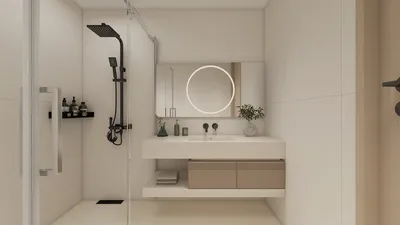


In 2012, the market for architectural rendering software was abundant with choices, enabling designers to craft breathtaking visual representations of their concepts. Whether you were an architect, a designer, or a 3D artist, selecting the appropriate software was crucial for translating your visions into tangible forms. Here, we highlight some of the top architectural rendering software options that stood out in 2012.
1. Autodesk 3ds Max
Autodesk 3ds Max emerged as a leading solution for architectural rendering during 2012. Renowned for its robust rendering engine and adaptability, 3ds Max empowered users to develop highly intricate models and photorealistic visuals. Its comprehensive library of materials and textures significantly simplified the process of achieving the desired aesthetic for any project.
2. SketchUp with V-Ray
The combination of SketchUp and V-Ray became a favored selection among architects seeking a user-friendly modeling interface alongside powerful rendering features. Its simplicity and the capacity for rapid design iterations won over many industry professionals.
3. Lumion
Lumion transformed architectural visualization through its real-time rendering capabilities. By 2012, it offered an intuitive interface that enabled users to produce amazing presentations in only a fraction of the time required by conventional rendering techniques.
4. Maxwell Render
Maxwell Render was celebrated for its physically accurate rendering attributes. Throughout 2012, it continued to attract users who prioritized realism and detailed renderings. The software's proficiency in managing intricate lighting scenarios made it a superb choice for elite architectural endeavors.
5. Blender
Although Blender was predominantly known for its animation and game development capabilities, its rendering functionalities were also quite formidable by 2012. As an open-source tool, it became a preferred option for freelancers and smaller firms searching for an economical alternative.
6. Artlantis
Artlantis gained popularity for its efficiency and user-friendliness. It enabled architects to generate high-quality renderings without the requirement for extensive training. This software was particularly appealing to those needing to create swift visualizations for client meetings.
Conclusion
Selecting the appropriate architectural rendering software in 2012 hinged on individual preferences and project specifications. Each of these platforms offered distinct advantages, whether in user-friendliness or quality output. As technology advances, keeping abreast of the latest tools, such as Homestyler, can facilitate architects in crafting increasingly stunning visualizations.
welcome to Use No.1 Home Design Software
Concevez maintenant gratuitement
































