

For years, I have incorporated carpet tiles into living rooms when clients seek warmth, defined spaces, and the ability to refresh their décor quickly without the need for a complete broadloom installation. These modular tiles offer acoustic softness, color customization, and simple upkeep—which is particularly beneficial for households with children, pets, or open-concept designs. Utilizing tools like Homestyler can enhance this design process by helping visualize layouts.
Research supports the advantages of comfort and performance in living spaces. A study by Steelcase estimates that inadequate acoustic management may hinder cognitive performance by as much as 10%. The incorporation of soft surfaces significantly contributes to sound absorption within living areas. According to WELL v2 guidelines, balanced lighting and visual comfort are essential to alleviate glare and eyestrain, while durable floor finishes promote hygiene and cleanliness—essential in family-friendly environments. When it comes to color choices, insights from Verywell Mind highlight that cooler tones such as blues and soft greens encourage tranquility, whereas warm neutrals foster a welcoming atmosphere—ideal for living rooms.
From my experience, modular tiles reduce maintenance efforts noticeably since any damaged sections can be replaced without replacing the entire carpet. In open living and dining areas, using tiles allows for the mixing of different pile heights or textures to enhance traffic flow without needing physical barriers. When designing traffic patterns and furniture arrangements, utilizing a room layout tool—like Homestyler—can help illustrate clear pathways and arrangements before finalizing your design.
Advantages of Carpet Tiles in Living Rooms
Carpet tiles present three essential benefits: zoning, sound optimization, and versatility. Zoning can be achieved through thoughtful color-blocking; for instance, a darker shade may define the sofa area while a lighter color enhances the space near bookshelves, creating visual distinctions for activities. Acoustic quality improves with appropriate pile density and underlay; softer layers help in dampening sound between hard surface finishes like glass and drywall. Versatility stands out—if spills occur, simply lift out the tile, wash or swap it out, restoring your floor to cleanliness within moments.
Material Choices and Eco-Friendliness
Select solution-dyed nylon or PET materials for their resistance to stains and fading. It’s beneficial to opt for tiles composed of recycled materials and low-VOC backings to ensure better air quality indoors. Many contemporary tiles include cushion backings, which not only enhance comfort but also improve sound absorption without adding excessive thickness. Material Connexion offers an array of environmentally conscious fiber and backing options suitable for clients aiming to lessen their ecological footprint.
Understanding Color Psychology: Influence Mood
In homes that are frequently used in the evenings, warm neutrals such as taupe, camel, and wheat promote social interactions, while muted shades of blue or sage can help alleviate stress after a long day—echoing the insights provided by Verywell Mind on calming color palettes. Effective saturation balance is crucial; using a vibrant accent border within a seating area adds liveliness without overwhelming the space. For gatherings, consider subtle patterns that can disguise foot traffic and minor stains.
Illumination and Visual Comfort Considerations
Opt for tiles with semi-matte fibers to minimize glare when illuminated by downlights. Ensure the carpet color temperature aligns with lighting: warm tones look cozy under 2700–3000K fixtures, while cooler shades appear refreshing under 3500K. It’s advisable to steer clear of high-contrast checkerboard layouts in brightly lit rooms, as they may lead to visual fatigue; a smooth gradient or tonal shift is easier on the eyes and aligns with WELL v2’s recommendations for visual comfort.
Acoustic Solutions for Open Living Areas
Combine carpet tiles with soft furnishings—such as curtains, upholstered seating, and bookshelves—to minimize echoes. In larger rooms, segment floor designs into zones to disrupt extensive reflective paths. Findings from Steelcase’s workplace studies regarding focus and sound management apply well at home: minimizing distractions through controlled reverberation and footstep noise can be effectively managed with denser carpet tiles in high-traffic zones.
Planning Layout and Patterns
I begin by analyzing the furniture layout, traffic patterns, and visual lines. Choosing quarter-turn or ashlar patterns can introduce subtle texture, while herringbone with plank tiles adds dynamic movement in narrow living spaces. As you plan clearances and seating arrangements, utilizing an interior layout planner such as Homestyler allows you to assess the alignment between rug zones and sofa clusters, ensuring a harmonious flow throughout the environment.
room layout tool
Human Factors and Comfort Ratios
Maintain the primary seating area within 8-12 feet to facilitate conversation. Allow for 24-36 inches of space around coffee tables. If utilizing contrasting border tiles, keep a distance of 12-18 inches from walls to maintain a visually lighter perimeter. Opting for cushion-backed tiles enhances comfort underfoot; a medium pile height also helps in preventing drag on doors.
Installation: User-Friendly without Compromise
Most living room tiles come with pressure-sensitive backings or tabs—eliminating the need for stretching or tack strips. Begin at the center of the room to maintain symmetry. Test complex patterns through dry-fitting before making a commitment. For irregularly shaped rooms, align tiles perpendicular to the longest wall to minimize cutting waste.
Upkeep and Longevity
Conduct weekly vacuuming with the beater bar adjusted low to prevent fuzzing. Address spots promptly by lifting and rinsing rather than scrubbing in place. Rotate or swap tiles that experience high traffic periodically to ensure even wear. Over time, replacing just 5-10% of the tiles can keep the floor looking pristine without necessitating a complete overhaul.
Trends for 2024-2025: Texture, Plank Formats, and Subdued Luxury
Clients are increasingly drawn to carpet tiles in plank formats that emulate woven rugs, subtle micro-patterns that mature gracefully, and layered neutrals accented by a single bold color. The trend of quiet luxury is manifesting in soft heathers and delicate fibers complemented by warm lighting and natural wood elements. Sustainability remains a vital concern, emphasizing the demand for recycled materials and modular upgrades instead of full replacements.
Common Pitfalls to Avoid
Neglecting to align patterns along the room’s axis can create visual disarray. Using overly bold checkerboards may overwhelm smaller living spaces. Failing to observe pile direction near doorways can lead to drag issues. Overlooking the importance of acoustic balance—where tiles are used without accompanying soft window treatments—leaves echoed spaces unaddressed.
Practical Configurations
- Family-oriented: stain-resistant nylon, medium pile, with tonal patterns to conceal spills.
- Social space: rich border tiles surrounding the seating area, light field tiles for contrast.
- Media-focused: darker, low-glare shades to pair with lighting under 3000K to minimize screen reflections.
- Pet-friendly: loop pile for snag resistance, with flexible tile replacement policies.
Tips 1: Quick Start for Compact Rooms
Choose tonal options. Utilize ashlar or quarter-turn styles in two shades that are closely related. Aim to keep furniture legs off tile seams where possible, and anchor the sofa with the denser shade.
Tips 2: Enhance an Open Plan Area
Establish a subtle pathway of denser tiles along the route to the kitchen, while maintaining a softer seating area for better acoustic comfort.
FAQ
Q1: Are carpet tiles suitable for a primary living area?
A: Indeed. Cushion-backed tiles with medium pile provide underfoot comfort that rivals many broadloom carpets while offering easier maintenance.
Q2: Are carpet tiles effective in noise reduction?
A: Yes, they absorb impact sounds and significantly lower reverberation. When paired with curtains and upholstered seating, they can greatly enhance sound control, following research that indicates reduced noise aids focus in shared environments.
Q3: Which patterns are ideal for smaller living areas?
A: Ashlar and quarter-turn designs create subtle textures without adding visual clutter. It’s best to avoid high-contrast checks and instead use tonal gradients to keep the space feeling roomy.
Q4: How should I manage stains or pet mishaps?
A: Simply lift the affected tile, rinse, or replace it. Opt for solution-dyed fabrics for enhanced stain resistance and keep several spare tiles for emergencies.
Q5: Do carpet tiles remain stable under furniture?
A: Quality tiles with pressure-sensitive backing maintain stability. If necessary, connector tabs can be used, and the subfloor should be clean and level.
Q6: Is it acceptable to combine different tile styles in a single room?
A: Certainly. You can mix various textures or pile heights to demarcate spaces for seating versus circulation, but it’s vital to keep colors within a cohesive palette for a unified appearance.
Q7: How does lighting affect the appearance of carpet tile colors?
A: Under warm lighting (2700–3000K), shades like beige and taupe appear richer; under neutral lighting (around 3500K), cool grays and blues seem sharper. It’s advisable to avoid shiny fibers to diminish glare.
Q8: What are the best sustainable options?
A: Seek out products with recycled materials, low-VOC backings, and a design that allows for modularity to replace only the worn sections. This approach significantly cuts down waste compared to fully replacing flooring.
Q9: Are carpet tiles compatible with radiant heat systems?
A: Many carpet tiles can be used over radiant heating; however, it’s essential to check the manufacturer’s temperature recommendations and select low-tog backings to ensure optimal heat transmission.
Q10: How many extra tiles should I have available?
A: It’s advisable to keep 5-10% of your total installed quantity as spares for any necessary future repairs and color-matching replacements.
Built on technology originally developed at Autodesk, Homestyler empowers anyone to design beautiful, realistic spaces in minutes. Join over 20 million users who have already discovered a smarter way to plan, visualize, and bring their dream homes to life — all from the comfort of a browser.
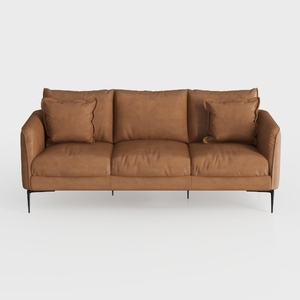
Modern Brown Leather 3 Seater Sofa With Black Metal Legs 3D Model

Minimalist Oak Marble Top Sideboard Storage Cabinet 3D Model

Minimalist Solid Oak Wood Dining Table 3D Model
Homestyler is your go-to online home design platform, perfect for anyone looking to create stunning interiors. With its easy-to-use design tool, impressive 3D rendering features, a wealth of design projects, and informative video tutorials, bringing your dream home to life has never been easier!
Desain sekarang Gratis
































