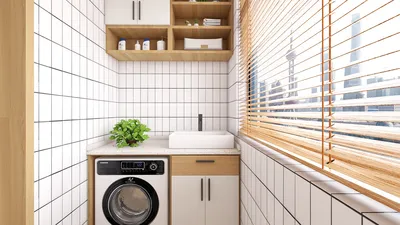


I consider drawing rooms to be the social nucleus of a household—areas where texture subtly establishes the atmosphere for gathering, unwinding, and building connections. The texture on walls transcends mere aesthetic appeal; it affects how light behaves, contributes to acoustic comfort, and influences the overall emotional ambiance of a space. In my experience, selecting the right textures has always played a vital role in crafting serene and welcoming living environments that endure gracefully over time.
Choosing textures should enhance comfort and promote wellbeing. The WELL Building Standard indicates that a complexity in visuals and natural elements can alleviate stress and improve perceived comfort when applied judiciously (WELL v2’s Mind concept). Research from Steelcase also revealed that over half of the workforce yearns for environments with greater control over sensory experiences—insights that easily translate into residential spaces where layered textures can mitigate glare and absorb sound. These findings emphasize a key point: textured walls do more than look appealing; they elevate the comfort of the rooms.
The way light interacts with surfaces is as crucial as the colors chosen. IES guidelines for residential spaces recommend ambient lighting typically between ~100–300 lux, with additional layers for specific tasks as necessary. On textured walls, gentle, diffused light helps to avoid harsh shadows that can accentuate relief patterns. I have discovered that 2700–3000K warm white LEDs highlight plaster and limewash beautifully, while 3000–3500K neutral whites maintain the clarity of micro-textures without creating a cold atmosphere.
Subtle Plaster Finishes for a Timeless Base
Materials like Venetian plaster, Marmorino, and micro-cement impart an elegant depth without excessive visual distraction. When clients seek warmth blended with sophistication, I recommend fine-grain plaster in finishes ranging from matte to eggshell. The outcome is a tactile, low-gloss canvas that pairs effortlessly with natural woods and linen furnishings. It’s essential to maintain clean reveals and tidy wall-to-ceiling junctions; understated textures flourish with sharp edges and synchronized lighting. To explore how light interacts with these surfaces, utilize Homestyler's interior layout tool to test lamp placements and seating arrangements.
Limewash and Mineral Paint: Soft, Variegated Movement
Limewash offers organically shifting tones reminiscent of watercolors. This finish works particularly well in contemporary homes desiring an understated, lived-in aesthetic. I opt for a subdued color palette (warm greige, clay, muted sage) to emphasize the variability of natural light. Pair this with parchment-colored lamp shades to avoid harsh banding on the walls.
Textured Wallpapers: Grasscloth, Sisal, and Silk Weaves
Natural fiber wallpapers provide immediate tactile experiences and acoustic softness. Grasscloth can significantly dampen sound in hard-surfaced areas while also visually balancing larger art pieces. I recommend paper-backed variants that disclose VOC levels transparently and consider seam positioning strategically—place center seams behind furniture to minimize visual distractions. Avoid direct lighting that could enhance seams; opt for diffuse wall washers instead.
Architectural Paneling: Slatted Wood, Fluted MDF, and Cane Inlays
Linear textures such as flutes, slats, and shallow ribbing generate rhythm and help direct the eye. A fluted feature wall behind the main seating area serves as an anchor for the arrangement while adding warmth. In smaller environments, it’s advisable to keep profiles shallow (8–12 mm) to prevent the casting of overpowering shadows. Concealed acoustic backing behind slats can also be integrated to manage sound levels, supplementing soft furnishings.
Stone-Look Micro-Textures: Honed, Split-Face, and Troweled Cement
Honed stone or troweled micro-cement presents a modern, gallery-like ambiance. Be mindful of using split-face or chiseled textures sparingly, as they can overwhelm a small drawing room. The key lies in restraint—apply them to a single wall or lower heights while balancing with matte plaster elsewhere. For upkeep, select sealed surfaces with low sheen; higher gloss finishes can amplify imperfections and smudges.
Color Psychology Meets Texture
The interplay between color and surface greatly influences mood. Verywell Mind’s color psychology overview suggests that calming blues and greens, alongside soft warm hues, create a cozy atmosphere. On textured walls, these colors take on greater depth and richness. I guide clients towards desaturated color schemes—such as dusty olive on limewash or warm taupe in plaster—allowing texture to convey understated elegance rather than loud patterns.
Lighting the Texture: Wash, Graze, and Layer
Proper lighting is essential for showcasing texture. Wall washers emit light uniformly, making them ideal for plaster and limewash applications. Grazing light can enhance relief but should be used judiciously to avoid stark contrasts. A combination of a dimmable ceiling layer (~100–200 lux for general settings), wall lights for accentuating texture, and table lamps for a cozy touch works best. For evening spaces, maintain warmer lights at 2700–3000K while reserving 3000–3500K for areas requiring clarity.
Acoustic Comfort Through Tactile Surfaces
Dense textures and porous materials effectively absorb mid-to-high frequencies. Options such as grasscloth, wood slats with acoustic backing, and textured paints can minimize echo while adding an overall sense of calm. It’s beneficial to position these features opposite reflective surfaces—like glass and stone flooring—to create a balanced auditory environment. Avoid applying glossy coatings across all walls; a diverse approach to absorption and diffusion fosters a more natural feel.
Material Selection and Sustainability
Contemporary homes can greatly benefit from materials that are durable, low in VOCs, and amenable to repairs. I prioritize mineral-based plasters, FSC-certified wood, and finishes with transparent emissions information. It’s essential to think long-term: can the material be refreshed locally, or will it necessitate complete replacement? Selections that evolve beautifully over time—like limewash and timber—minimize future renovation waste while preserving character.
Proportion, Rhythm, and Feature Placement
When planning textures, it’s vital to respect the proportions of the space. In compact drawing rooms, limit heavy relief to 25–30% of the visible wall area, focusing it where social interactions occur—behind the central sofa or near seating clusters. Balance vertical elements such as slats and flutes with expansive, serene wall planes to prevent visual fatigue. Employ an interior layout planner to visualize furniture arrangements and sightlines before finalizing designs: utilize the planner from Homestyler.
Practical Detailing: Edges, Corners, and Maintenance
To maximize the appeal of textured finishes, clean detailing is key. I suggest using metal trims at external corners for plaster, aligning the ends of slats with furniture heights, and keeping wallpapers away from high-contact areas. Establish a maintenance routine: gentle vacuuming for grasscloth, pH-neutral cleaners for micro-cement, and minor touch-ups for limewash.
Design Scenarios: Three Reliable Combinations
Warm limewash in a clay hue, matte wall washers, and an oak-slatted console backdrop complemented by linen and wool accents with brushed brass details.
Marmorino plaster with a subtle eggshell finish, framed artwork on the primary wall, and textured silk wallpaper in a cozy reading nook, illuminated by bronze picture lights.
Honed micro-cement feature wall accentuated with neutral 3000K lighting, slim-profile fluted MDF in a vertical design, and low-sheen black metal trims.
How to Choose the Right Texture
Begin by assessing your behaviors: hosting, reading, and relaxing will dictate the necessary balance of softness, visual intrigue, and sound absorption. Sample various textures under your actual lighting, evaluate sheen levels, and consider high-touch areas—spaces behind seating should offer a tactile experience; transit zones are better suited to smooth, durable finishes.
Authority References
For insights on wellbeing and the principles of sensory comfort, refer to WELL v2 (Mind, Light) and guidelines for residential lighting from IES. Insights from Steelcase regarding sensory control reinforce the value of layered textures in living spaces. Delve deeper at WELL v2 and Steelcase Research.
FAQ
Fine-grain plaster or limewash in a matte finish is forgiving; minor blemishes blend seamlessly into the texture, and simple spot repairs are easy to execute.
Absolutely, with UV-filtering window treatments and diffused lighting. Direct sun can fade natural fibers, so consider adding sheer layers or low-E glazing.
Utilize wide-beam wall washers or off-set downlights. Fixtures should be positioned 12–24 inches from the wall and dimmed to balance contrasts effectively.
Definitely. Combine textured wall coverings with slatted panels over acoustic felt and a soft rug to mitigate echo and enhance speech clarity.
Desaturated warm neutrals, soft greens, and tranquil blues work beautifully. Warmer whites at 2700–3000K lighting preserve the delicate tonal transitions.
Not if balanced with warm lighting and organic materials—oak, wool, and brass. Maintaining a matte finish helps avoid a sterile appearance.
In smaller spaces, keep heavy-relief textures to approximately a quarter of the visible wall area while utilizing calmer, smooth fields for visual equilibrium.
Some do. Opt for low-VOC or third-party validated products, ensure good ventilation, and allow for a curing phase prior to significant usage.
2700–3000K produces a cozy ambiance and highlights tactile surfaces effectively. Reserve 3000–3500K for clearer lighting in daytime or artwork-centric areas.
Position seating centrally around the focal feature, maintain consistent clearances, and visualize arrangements with a spatial simulation tool from Homestyler: layout simulation tool.


Looking to transform your home? Homestyler is your go-to online design platform! With its user-friendly design tool, stunning 3D renderings, and a wealth of inspiring DIY video tutorials, you can effortlessly create beautiful spaces and bring your vision to life in no time!
Concevez maintenant gratuitement
































