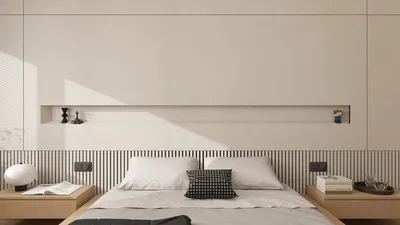


I once had a unique experience where a client's taupe wall color needed approval from their cat before we could proceed with painting the entire living room. That day taught me two valuable lessons: pets have an uncanny ability to judge color undertones, and every color choice in small spaces tends to be amplified. To streamline my decisions, I frequently incorporate a detailed 3D model into my planning process that allows me to evaluate lighting and undertones before any paint is applied.
1. Cozy Atmosphere with Warm Taupe and Natural Wood
Combining warm taupe walls with mid-tone oak or walnut furnishings creates a comforting ambiance akin to a boutique hotel in a 30 square meter apartment. The beauty lies in the cozy feel without being overwhelming — taupe minimizes harsh contrasts and conceals minor imperfections in the wood. However, be cautious of excessive warmth in north-facing rooms as taupe can appear muddy in such lighting.
save pin
2. Taupe: A Subtle Canvas for Vibrant Textiles
On a recent project refresh, I opted for taupe walls in a small bedroom to allow the bed linens and artwork to shine. Taupe anchors the space while giving prominence to colorful cushions and rugs. Keep in mind that taupe can dull some jewel tones, so it's essential to test samples alongside textiles throughout different times of the day.
save pin
3. Modern Kitchen Design: Taupe Cabinets with Light Countertops
Taupe cabinets paired with quartz or light marble surfaces impart a contemporary, welcoming feel to any kitchen. This combination is practical — stains are less noticeable than on stark white counters. To visualize your kitchen layout effectively, consider a design example using Homestyler to see how various undertones perform under different task lighting.
save pin
4. Contrast in Trim — Taupe with Bright White Frames
Using taupe for walls and a crisp white for trim creates a subtle yet refined contrast, resulting in a clean, intentional look. The white frames enhance the tailored appearance of the taupe, preventing the space from feeling flat. It's worth investing in quality materials and precision to ensure the trim looks sharp and professional.
save pin
5. Textured Layering: Mixing Taupe with Various Elements
In smaller spaces, texture plays a crucial role. I often layer matte taupe walls with velvet cushions, woven light fixtures, and warm brass accents to introduce depth without cluttering the space. However, be mindful of using too many shiny metals alongside matte taupe, as this can lead to awkward highlights; balance is key. For innovative material combinations, I sometimes refer to a design insight generated with Homestyler.
save pin
Tips 1:
For accurate color testing, sample large paint swatches and assess them in both morning and evening light. Create a half-sized painted board to place near the intended wall, allowing you to observe its appearance over 48 hours — I learned this lesson after repainting an entire hallway when my initial color choice appeared pink in sunlight. For budget-conscious choices, investing in good-quality mid-range paint and thorough preparation will outdo the cheapest options that skimp on quality.
save pin
FAQ
Q1: Which taupe undertone works best in a smaller room?
Opt for a warm taupe in north-facing spaces to sidestep a chilly gray look. Conversely, cooler taupe shades can provide an elegant touch in sunnier rooms.
Q2: Will taupe make a compact room feel smaller?
Not necessarily — a mid-toned taupe can add depth, creating a cozier atmosphere. Enhancing contrast with lighter trim and reflective elements can prevent the room from feeling confined.
Q3: How do I pick complementary colors for taupe walls?
Select two accent colors: one warm (like burnt orange or terracotta) and one cool (such as steel blue or sage). It’s crucial to test the swatches together under your room's lighting before making a final decision.
Q4: Are taupe cabinets a good choice for kitchens?
Absolutely — taupe cabinets are not only practical as they conceal wear effectively, but they also pair beautifully with natural stone countertops. Be cautious of the undertones, as taupe with green hues might clash with certain marble styles.
Q5: Can taupe fit into both modern and traditional designs?
Certainly — taupe's versatility allows it to adapt to various styles. Utilize clean lines and matte textures for a modern aesthetic, or incorporate moldings and warmer woods for a classic appearance.
Q6: How many paint coats are needed for an authentic taupe finish?
Generally, two full coats are needed for even coverage, or three if transitioning from a dark or bright base. Proper priming can streamline the process and enhance color fidelity.
Q7: Where can I find expert color advice for taupe?
Many leading paint brands offer curated taupe palettes and detailed technical documentation. For insights into undertones and light tests, refer to resources such as Sherwin-Williams’ color guides (see Sherwin-Williams color library: https://www.sherwin-williams.com).
Q8: What are the best practices for maintaining taupe-painted walls?
Choose washable eggshell or satin finishes for high-traffic areas, and spot-clean with mild detergents. Conduct annual touch-ups on trim and corners to keep the area looking freshly maintained.
save pin
Looking to transform your space effortlessly? Homestyler is your go-to online home design platform! With its user-friendly design tool, stunning 3D renderings, and a wealth of DIY video tutorials, you can easily create beautiful interiors that reflect your style. Start designing today!
تصميم الآن مجانا
































