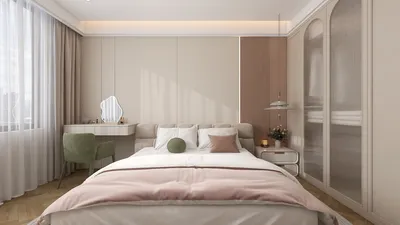


During one of my late-night installations, I mistakenly mounted a sculptural wall sconce upside down out of eagerness. The client found it amusing, and I learned the importance of double-checking wiring diagrams. Once I corrected it, the light looked like modern art, demonstrating how a singular wall light can significantly alter a room's ambiance. Particularly in compact living spaces, lighting plays a crucial role; a strategically placed fixture can create an atmosphere of drama, depth, and added functionality.
1. Slim Swing-Arm Sconces
For sofas pressed against the wall, swing-arm sconces are my preferred choice, providing focused reading light while conserving floor space. They are stylish and versatile, ideal for bibliophiles who appreciate a clean aesthetic. However, ensure you have a solid stud or reliable anchor for heavier metal arm options, as hiding wiring within walls can be slightly more challenging.
save pin
2. Layered LED Wall Washers
To achieve a modern, gallery-like atmosphere, I often recommend LED wall washers that distribute an even light either upwards or downwards. These fixtures visually amplify wall space and are energy-efficient, particularly beneficial for renters using plug-in models. Beware of cheaper LEDs that can produce a harsh vibe; I suggest opting for warm 2700–3000K varieties with dimming capabilities for a softer, more inviting glow.
save pin
3. Decorative Backlit Panels
Backlit or floating wood panels equipped with integrated LEDs add both texture and a cozy halo effect behind sofas or televisions. I utilized this design approach in a small apartment where we sought to create a focal point without overcrowding surfaces. While it does require a bit more investment and planning for electrical wiring, the resulting ambiance is substantial and these panels serve as subtle accent lighting.
save pin
4. Minimalist Picture Lights
Picture lights are not limited to art; they provide directed accent lighting when placed above consoles or mirrors. I prefer to combine them with gallery walls in narrow living rooms to elevate the space visually. Remember that they serve best as accent lights, so ensure you have additional ambient lighting options for overall room comfort.
save pin
5. Industrial Cage or Barn Sconces
For living rooms with an industrial or eclectic vibe, cage sconces add a distinctive character and casual flair. They pair well with Edison bulbs for a warm illumination. The drawback is that unshielded bulbs can be overly bright, so consider using lower-lumen filament bulbs or installing a dimmer switch for control.
Whenever I present these lighting solutions to clients, I sometimes create quick mock-ups in a room planner like Homestyler to illustrate scale and sightlines; visualizing the fixture in place helps to eliminate uncertainty and prevent buyer's remorse.
save pin
Tips 1:
For rapid layout assessments, I suggest using a 3D visualization tool such as Homestyler to explore how wall lights will interact with furnishings and shadows. This approach proved invaluable in a project where a sconce's placement could have collided with a picture frame, necessitating a last-minute rewire.
save pin
FAQ
Q1: What is the ideal height for wall sconces in a living room?
A1: Generally, hanging sconces 60–66 inches from the floor to the center of the fixture is most effective, although this should be adjusted based on ceiling height and furniture placement. When installed above seating, a slightly higher position can prevent glare.
Q2: Can wall lights serve as the sole source of ambient light?
A2: Yes, if you layer several sconces and select diffused options. However, combining them with a central fixture or using floor/table lamps will yield the most balanced ambient lighting.
Q3: Are hardwired sconces superior to plug-in varieties?
A3: Hardwired options generally offer a neater appearance and often more design choices, while plug-ins are flexible and suit renters. For a lasting installation and increased property value, I usually recommend hardwiring during renovations.
Q4: What color temperature should I choose for living room sconces?
A4: A warm white color temperature (2700–3000K) is cozy and flattering; cooler lights feel more utilitarian and task-oriented.
Q5: How can I minimize glare from wall lights?
A5: Utilizing shades, frosted glass, or designing indirect wall wash fixtures while ensuring bulbs are oriented toward walls can mitigate glare. Dimmers are also effective in reducing brightness.
Q6: Is it possible to install wall lights on plaster or concrete walls?
A6: Yes, but installation may necessitate anchors, masonry screws, or conduits for wiring; consulting a qualified electrician is advised for secure mounting and hidden wiring.
Q7: Do smart bulbs function effectively with wall sconces?
A7: Definitely — smart bulbs offer control over color temperature, scheduling, and dimming without needing to rewire. I frequently incorporate them in layered setups for versatile mood lighting.
Q8: Where can I find professional designs and planning resources?
A8: For visualizations and layout tools, look to platforms like Homestyler. For industry insights on lighting standards, refer to the Illuminating Engineering Society (IES) publications at https://www.ies.org for specific guidance.
save pin
Homestyler is an amazing online home design platform that empowers you to create stunning interiors with ease. Enjoy its user-friendly design tool, breathtaking 3D renderings, inspiring design projects, and helpful video tutorials. Transform your home design dreams into reality effortlessly!
Desain sekarang Gratis
































