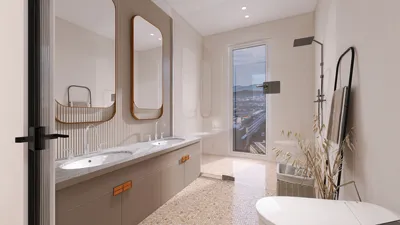


As an interior designer with a decade of experience, I've witnessed various trends in the industry; yet, Pottery Barn's aesthetic remains perpetually stylish. Currently, the design landscape is gravitating towards warm, textured interiors emphasizing practicality, particularly in compact spaces. I have always maintained that small living rooms can ignite greater creativity. In this article, I will present ten living room concepts inspired by Pottery Barn that merge my practical design knowledge with expert opinions, allowing you to create an area that is both functional and visually appealing.
Warm Neutrals with Layered Textures
My Perspective: I once transformed a tiny 20 m² urban apartment by using layers of soft beige hues, chunky knit fabrics, and linen curtains; this instantly made the space feel more welcoming. Pottery Barn truly excels in achieving this cozy layered aesthetic.
Advantages: Neutral color schemes ensure timelessness and flexibility, while adding texture layers prevents the area from feeling monotonous. This is one straightforward method to infuse warmth into a small living room echoing Pottery Barn's design principles.
Disadvantages: An abundance of similar tones might appear dull without contrasts. Introducing a single bold accent can make a significant difference.
Timeless Slipcovered Sofas
My Perspective: I have suggested slipcovered sofas to clients in search of a stylish, easy-to-care-for solution. The machine-washable slipcovers from Pottery Barn make them ideal for families.
Advantages: They are versatile, easy to maintain, and can adapt to seasonal changes just by swapping the cover. They are particularly suitable for open-concept designs where the sofa serves as a key focal point.
Disadvantages: Loose slipcovers can appear unkempt if not fitted properly and may require adjustments after frequent use.
Distressed Wood Coffee Tables
My Perspective: In one of my loft renovations, a reclaimed wood table became the centerpiece of conversation. Its aged appearance harmonized beautifully with the upholstery and metallic elements typical of Pottery Barn.
Advantages: They add warmth, conceal everyday wear and tear, and complement diverse styles from rustic to contemporary.
Disadvantages: Distressed finishes may not appeal to those who favor sleek, modern designs.
Tip: If you appreciate the blend of rustic charm and lightness, observe how wooden accents can bring warmth to minimalistic areas in smaller homes.
Striking Pendant Lighting
My Perspective: Not long ago, I upgraded a client's standard ceiling light to a large rattan pendant—instantly, the room exuded a Pottery Barn-like allure.
Advantages: It draws the eye upward, serves as decoration, and establishes ambiance with the correct bulb temperature.
Disadvantages: Oversized fixtures can dominate small rooms—paying attention to scale is essential.
Layered Rugs for Added Depth
My Perspective: In my own living area, layering a jute rug beneath a patterned wool piece provided a designed yet unpretentious ambiance.
Advantages: It enhances dimension, softens sounds, and lets you mix textures in an affordable manner.
Disadvantages: Layered rugs might require frequent realignment since they tend to shift.
Combining Modern and Vintage Decor
My Perspective: Pottery Barn excels in this regard—a sleek lamp positioned next to a vintage trunk coffee table narrates a captivating story.
Advantages: This mixture creates balance, adds a unique touch, and keeps the space from resembling a catalog display.
Disadvantages: If too many different styles clash, it can create a chaotic appearance.
Tip: When merging styles, pay attention to common threads in color or materials—similar to how an L-shaped layout can enhance surface areas.
Built-In Shelving for Elegant Storage and Display
My Perspective: I once created built-ins around a fireplace, incorporating a blend of baskets and family photographs—it was both functional and personal.
Advantages: They maximize vertical space, organize clutter, and provide a custom feel to the room.
Disadvantages: Permanent fixtures can restrict future layout options.
Botanical Touches for Vitality
My Perspective: Every Pottery Barn showroom seems to feature greenery—whether artificial olive trees or fresh eucalyptus, plants invigorate the living space.
Advantages: They introduce color without overwhelming the room, enhance air quality (with real plants), and soften harsh lines.
Disadvantages: Faux plants need dusting; live plants require regular maintenance.
Textured Window Treatments
My Perspective: I often opt for linen or cotton blinds to capture that airy Pottery Barn vibe.
Advantages: These fabrics allow natural light to filter in gently, and the right material can visually enlarge the space.
Disadvantages: Light-colored fabrics may not provide complete privacy—consider adding a liner for additional coverage.
Personalized Wall Galleries
My Perspective: A gallery wall above a Pottery Barn couch creates a curated, lived-in atmosphere—incorporating family photos, travel mementos, and art prints.
Advantages: This approach creates narratives through decor, is easy to update over time, and suits any budget.
Disadvantages: Without a cohesive frame style or consistent spacing, the arrangement can appear chaotic.
For visual elements, larger statement pieces work exceptionally well when used alongside AI-generated interior mockups to preview designs before making a decision.
Conclusion
Small living rooms do not constrain style; rather, they inspire intelligent design. The core principles of Pottery Barn—comfort, timelessness, and layered textures—translate beautifully into even the coziest spaces. As Architectural Digest highlights, the right combination of texture, light, and personal details can transform any area into a sanctuary. Which of these concepts would you be eager to implement in your home?
Frequently Asked Questions
1. What characterizes Pottery Barn style?
Pottery Barn style merges classic American aesthetics with a sense of casual comfort—think neutral shades, layered textures, and high-quality craftsmanship.
2. How can I style a compact living room in Pottery Barn fashion?
Choose multifunctional furniture, utilize neutral tones, and incorporate layered textures. Built-in storage solutions can significantly enhance small spaces.
3. Are Pottery Barn slipcovered sofas a good investment?
Absolutely, particularly for families or pet owners. Their washable and customizable features significantly add to their utility.
4. How can I successfully mix modern and vintage decor?
Connect them through consistent colors or materials, balancing sleek items with more traditional pieces to achieve harmony.
5. What lighting options are ideal for a Pottery Barn-inspired room?
Statement pendant lights, floor lamps, and adjustable sconces offer flexible and warm lighting alternatives.
6. What accessories work best for such a style?
Cushions, throws, plants, and candles introduce warmth and personality without overpowering the area.
7. How can I keep layered rugs secure?
Utilize a quality rug pad or double-sided rug tape to prevent slipping and bunching.
8. Can I preview designs inspired by Pottery Barn before decorating?
Yes, utilizing 3D floor planning tools enables you to visualize your space with Pottery Barn-style decor prior to making any purchases.
Homestyler is your go-to online home design platform! With its user-friendly design tool, stunning 3D renderings, and a wealth of DIY video tutorials, you can effortlessly transform your space into your dream home. Unleash your creativity and start designing today!
Design Now for FREE
































