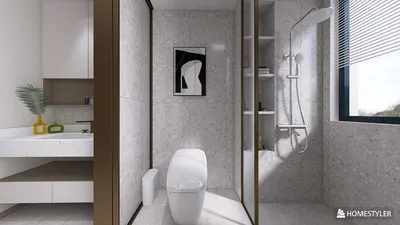


I once had a client who dreamed of transforming their compact bathroom into a Mediterranean grotto. They envisioned every surface — the floor, walls, and ceiling — adorned with tiny glass mosaics. My initial reaction was astonishment over coffee, but it sparked my passion for how even the smallest spaces can embrace bold patterns with the right planning. Utilizing a visualization tool like Homestyler for tile layouts immensely reduced my guesswork and eased communication with tile suppliers.
Compact spaces inspire innovative ideas, and using mosaics remains one of my top choices for infusing character without the need for bulky furniture. Here, I'll guide you through five practical and stylish mosaic tile ideas for bathrooms that I frequently apply in actual projects, complete with budget considerations and some candid insights.
1. A Gradient Mosaic Focal Wall
Incorporating a gradient mosaic on a single wall behind vanities or showers creates a sense of depth while avoiding a cluttered appearance. Such a design draws attention, masks minor flaws, and contributes to a cohesive aesthetic that works wonderfully in tighter bathrooms. Limit your color palette to two or three shades to maintain an intentional gradient; however, ordering custom colors might be on the pricier side.
save pin
2. Combining Large Tiles with Mosaic Borders
Mixing larger subway or porcelain tiles with slim mosaic borders allows you to enjoy the luxurious feel of mosaics without the expense of tiling every surface. The border offers a stylish accent that directs visual flow, and installation can be quicker, thereby reducing labor costs. For a keen visual effect, consider placing a mosaic strip at eye level or as a threshold to distinguish between wet and dry areas; these small touches can greatly improve overall aesthetics.
save pin
3. Mosaics in Wet Zones for Safety and Aesthetics
For wet areas like shower floors and niches, small mosaics are not just visually appealing, but they also enhance slip resistance due to the extra grout lines. I often recommend designing niches with contrasting mosaics to create a striking focal point; just be sure to plan for adequate waterproofing as more grout means extra maintenance. When crafting drainage and slopes, consider innovative layouts to ensure function without compromising style.
save pin
4. Floor-to-Ceiling Mosaics for Dramatic Effect
For those wanting to inject drama into a small bathroom, a floor-to-ceiling mosaic behind the vanity or tub truly makes the space feel purposeful rather than cramped. This design strategy elongates the room visually and can serve as a stunning artwork. However, be mindful of costs and maintenance since shiny mosaics can show water spots; I often combine matte and glossy finishes for a balance of allure and manageability.
save pin
5. Experimenting with Texture: Matte, Glossy, and Metallic
By blending matte, glossy, and metallic mosaics, you can create a rich aesthetic without altering the color scheme. For instance, a matte base tile complemented with a glossy mosaic accent or slender metallic streak can reflect light and enhance the sense of space in a shower. An understated yet modern enhancement I typically employ is placing an accent mosaic strip near lighting fixtures, which beautifully reflects light; just be careful about selecting the right grout color to minimize highlighting grout lines.
save pin
Tips 1:
Budget note: Remember that mosaics require a significant quantity of tile, so it's advisable to purchase an extra 10–15% for cuts and waste. A practical recommendation is to seal mosaics and grout annually in moisture-prone areas to maintain vibrant colors. My lesson from real-world experience is to always create a mock-up of a 1m x 1m sample on-site; designs that look fabulous in showrooms can appear drastically different in your bathroom's lighting.
save pin
FAQ
Q: Are mosaic tiles appropriate for small bathrooms?
A: Yes! Mosaics can introduce texture and visual appeal to small bathrooms without overwhelming them, especially when incorporated as accents or feature walls. The secret lies in using them with restraint and careful placement.
Q: What grout color is best for mosaics?
A: Opt for grout that either blends in (for a seamless look) or contrasts (to enhance patterns). Light-color grout can brighten a space, while darker options offer greater convenience and maintenance ease.
Q: How do I ensure waterproofing behind mosaic tiles?
A: Use a certified waterproof membrane alongside proper slope management for drains in shower floors. Following guidelines from associations like the National Kitchen & Bath Association (NKBA) will ensure effective results (visit https://www.nkba.org for more information).
Q: Can I mix various sizes of mosaic tiles?
A: Definitely — mixing tile sizes can create a rhythmic feeling and added depth. Just ensure that you stick to a consistent color scheme, and always test a mock-up for cohesive transitions.
Q: How often should mosaics be re-grouted?
A: This depends on usage and maintenance, but for wet areas, plan to refresh grout approximately every 3–7 years. Proper sealing and ventilation can prolong the lifespan of both grout and tile.
Q: Are glass mosaics slippery when wet?
A: While larger glass tiles can be slippery, smaller mosaics with more grout lines offer natural traction. For added safety, consider choosing textured or matte finishes for floors.
Q: Do mosaics require more maintenance?
A: Slightly so, as increased grout lines can trap soap scum and mildew. Therefore, selecting grout color wisely and regular sealing will help. However, the aesthetic advantages often outweigh the minor upkeep involved.
Q: Is it possible to use mosaics on bathroom ceilings?
A: Yes, but use discretion: a mosaic ceiling in a shower or niche can offer dramatic flair, though it raises costs and necessitates professional installation for proper adhesion and waterproofing. I recommend this only for featured sections, not for the entire ceiling.
save pin
Originally incubated at Autodesk, Homestyler has grown into one of the most widely adopted home design platforms in the world, now trusted by over 18 million users. Whether you're a homeowner exploring ideas or a professional designer delivering client-ready renders, Homestyler brings industry-leading 3D technology to your fingertips — no experience required.
Looking to transform your home? Homestyler is your go-to online design platform! With its user-friendly design tool, stunning 3D renderings, and a wealth of DIY video tutorials, you can effortlessly create and visualize your dream space. Start designing today!
Diseño ahora GRATIS
































