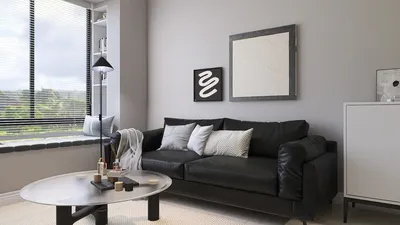


A client once insisted that the blinds in their dining room needed to align with the ambiance of their Tuesday night dinners. I developed a layered system that achieved just that, and it provided a good laugh for all of us. I also discovered that selecting patterns that are too bold can turn a cozy dining area into what feels like a bustling café. To mitigate this, I often encourage clients to utilize 3D visualization tools, like Homestyler, before making any purchasing decisions.
1. Layered sheers and blackout blinds
Combining a delicate sheer with a distinct blackout roller offers flexibility that I truly appreciate: soft daylight for brunch settings and complete darkness for movie nights. This option is rental-friendly and exudes a chic hotel vibe, although it does come with a slightly higher price tag and requires two mounting tracks, which is a minor compromise for such versatility.
save pin
2. Floor-to-ceiling vertical blinds to enhance perceived height
If you're dealing with a narrow dining room, opting for vertical slats or elongated panel track blinds can visually elevate the space. I implemented this technique in a long and slender apartment’s dining area, and the atmosphere instantly became more spacious; however, keep in mind that these can appear formal, so I tend to counterbalance this with a warm rug and a mix of textures.
save pin
3. Patterned Roman shades for a warm, refined appearance
Roman shades provide a touch of softness and pattern without encroaching on the room’s depth like heavier drapery would. For petite spaces, I lean towards medium-scale prints — oversized patterns can overwhelm a small area. When experimenting with different layouts, visualizing window proportions is essential, so that the patterns and folds translate perfectly in your design, which can be simulated effectively using Homestyler.
save pin
4. Motorized blinds for effortless control and streamlined elegance
I recommend motorized blinds to clients who frequently host gatherings — one button can lower all window treatments to set the desired mood. These options are sleek and safe for children due to their lack of dangling cords; just note that they tend to come with a higher initial cost and may require battery or wiring access.
save pin
5. Painted wood or faux-wood slats to harmonize with furnishings
Blinds resembling wood can add warmth to the dining environment while integrating seamlessly with cabinetry or buffets. Painting slats to correspond with your existing wood tones fosters harmony; I’ve successfully matched trim and blinds to create a serene and purposeful look. However, keep in mind that real wood can warp in moist environments, making faux-wood a more practical choice while still allowing for a cohesive blend with cabinetry.
save pin
FAQ
Q1: Which blind style is ideal for a compact dining area?
I typically suggest Roman shades or slim roller blinds — they save visual space and maintain clean lines, while layered sheers can add softness without bulk when necessary.
Q2: Are motorized blinds worth the investment?
If you prioritize convenience, remote access, and child safety, motorized blinds are indeed worthwhile. They entail an initial investment but can significantly enhance daily comfort and protect fabrics with strategically scheduled shading.
Q3: How do I select the appropriate pattern scale for curtains or shades?
Align the pattern scale with the room size: utilize small to medium prints in compact areas and larger motifs for more spacious dining rooms. I always test samples directly on the window before finalizing my choice.
Q4: Can faux-wood blinds be used in humid dining spaces?
Absolutely — faux-wood is resistant to warping and simpler to maintain near kitchens or in humid conditions. While real wood offers richer texture, careful placement is essential.
Q5: How can I balance natural light with privacy?
To manage both daylight and privacy, layer a translucent sheer with either a blackout or privacy roller; tilt slats or adjust shades to maintain sightlines while allowing light.
Q6: Any safety recommendations for homes with children?
Opt for cordless or motorized solutions to eliminate looped cords. The U.S. Consumer Product Safety Commission advises on selecting cordless options for window treatments to minimize the risk of strangulation hazards (visit cpsc.gov for more information).
Q7: What are some budget-friendly ways to upgrade old blinds?
Consider painting or replacing slats, adding a coordinating valance, or swapping in new slat tapes and cords — these minor adjustments can revitalize the entire dining area without the need for complete replacement.
Q8: How do I harmonize blinds with my dining furniture?
Choose a unifying color or texture — a wood-tone blind can reflect a table finish, or you can select a neutral blind while introducing color through cushions and table linens for adaptable styling.
save pin
Homestyler is your go-to online platform for effortless home design. With its user-friendly design tool, stunning 3D renderings, and a wealth of inspiring design projects and video tutorials, you can transform your space into a masterpiece—no design experience needed!
Concevez maintenant gratuitement
































