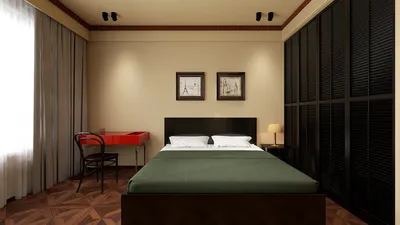


Pet furniture has come a long way from basic wire cages and oversized plastic kennels. A stylish dog crate end table presents a sophisticated approach to incorporate your pet’s safe haven into your living space without sacrificing style. I seek out designs that provide exceptional ventilation, robust durability, and appropriate dimensions—so they appear as furniture first, and a sanctuary second.
Aside from aesthetics, the main criteria influencing my choices are comfort and safety. Dogs usually spend about 12–14 hours a day resting, so the interior of the crate must feature breathable panels and a firm, easily cleanable surface. Sound also plays a crucial role: research from Steelcase indicates that even minor auditory disruptions can hinder focus and increase stress, a principle that applies at home too. Utilizing quiet latching mechanisms and rubber feet can effectively minimize rattling and vibrations (steelcase.com/research). Opting for rounded edges and stable bases also reduces the risk of accidents, particularly in smaller living spaces with heavy foot traffic.
The first consideration is sizing. The crate should accommodate your dog’s ability to stand, turn, and stretch without excess room. I measure from the tip of the nose to the tail’s base and recommend adding 2–4 inches in both length and height for small breeds. For everyday use, I prefer side-door access when the end table is positioned between a couch and wall; front-door access works best for tables open to other areas. A simple layout sketch can help avoid pinches and conflicts with door swings—if you’re adjusting furniture placement, a room layout tool can effectively illustrate door clearances and traffic patterns: room layout tool.
Essential Design Criteria
When recommending a dog crate end table, I consider five critical factors: ventilation, durability of surfaces, quality of latches, proportion, and finish harmony. Adequate ventilation is essential; I typically look for at least two open sides with slat spacing that safely prevents paws from getting stuck. The top surface should withstand rings and heat from mugs—sealed wood or high-pressure laminate is ideal. Latches should operate smoothly, produce minimal noise, and be usable with one hand. Proportion affects visual harmony; the height of the table should correspond with your sofa’s arms (generally 22–26 inches), leaving a minimum of 18 inches for walking space in tighter areas. The finishes should complement your overall decor, where matte wood surfaces hide scratches better than glossy options.
Material Selections: Wood, Metal, and Hybrids
Solid woods and engineered alternatives (such as oak, ash, or walnut veneers) provide a cozy touch and contribute to the piece feeling purposeful. Incorporating powder-coated steel frames enhances sturdiness, particularly important for dogs that might nudge or scratch at doors. Hybrid constructions, which combine wooden bases with metal slats, balance aesthetic appeal and airflow. For eco-friendliness, I seek low-VOC finishes and responsibly sourced materials. Durable interior floors might consist of sealed wood or removable composite trays, designed to be slightly textured to discourage slipping while not trapping fur. To improve acoustic comfort, felt or cork pads placed beneath the tray can help minimize the sound created by some crates.
Ergonomics and Everyday Use
Ergonomics considers both your daily routine and your dog’s needs. Surfaces positioned at 23–25 inches facilitate easy access to lamps and remotes without straining your shoulder. The door location should align with your dog’s approach—using front access for sofa-adjacent zones and side entry for corners. Integrated handles or finger pulls on top promote easy movement of the table for cleaning with minimal effort. Inside, a breathable pad that can be washed ensures consistent temperature; avoid memory foam as it may retain heat in warmer months. For homes with children, utilizing soft-close hinges and recessed handles reduces the risk of pinching.
Ventilation, Light, and Comfort
Lighting is also crucial for dogs. Avoid placing crates under harsh overhead lights that can create glare and shadows; a gentle table lamp emitting warm light (~2700–3000K) can foster a serene evening atmosphere that does not overheat the enclosed area. Based on WELL v2 standards, controlled and balanced lighting can enhance relaxation and lessen stress in inhabitants (wellcertified.com). For pets, diffused lighting and unobstructed views of the room can alleviate separation anxiety. Slats must allow visibility while also blocking direct drafts from heating vents.
Size Recommendations for Small Breeds
For dogs weighing under 20 pounds (such as Pomeranians, Mini Schnauzers, or Toy Poodles), standard interior dimensions generally range from 24–30 inches long, 18–22 inches wide, and 20–24 inches high. These measurements serve as guidelines rather than strict rules; variations in bone structure and posture matter. If your dog prefers to curl up, prioritize a wider interior and a shorter roof for a cozy feel. In contrast, if they like to stretch out, consider lengthening the crate while ensuring slats are present on at least two sides for adequate airflow. Always verify that door clearance accommodates surrounding furniture and rug edges, as snagging can complicate accessibility and discourage use.
Placement and Layout Considerations
The placement of the crate can influence behavior. I recommend positioning the end table within social reach—next to a sofa or chair—allowing your dog to observe while feeling safe. Avoid placing it near subwoofers or busy pathways, which can introduce unnecessary vibrations and stress. When rearranging a compact living area, using an interior layout planner can help visualize circulation and cable arrangements: interior layout planner. Maintain a minimum of 6–8 inches from radiators or vents to avoid creating uncomfortable hot spots or drafts.
Style Integration: Modern, Farmhouse, and Minimal
To maintain aesthetic consistency, match the design of the crate with your main furniture style. Modern spaces often favor sleek slats, minimalist metal frames, and neutral finishes. Farmhouse settings appreciate shaker paneling, beadboard elements, and warm oak tones. Minimalist interiors benefit from hidden latches, flush doors, and a seamless grain pattern across the surface. I ensure that hardware finishes coordinate with nearby elements—opting for black powder coatings with modern lighting, antiqued brass for picture frames, and brushed nickel to harmonize with door fittings—maintaining a cohesive color scheme throughout.
Cleaning, Odor Management, and Durability
Maintenance is crucial for the longevity of these pieces. Select interior trays that easily slide out without having to remove the entire top; this feature significantly influences whether you’ll clean daily or delay. Sealed wood helps prevent odor absorption; using a gentle, pet-safe cleaner protects the finish. In case of accidents, promptly remove any bedding and allow the interior to dry completely with the doors open. Attaching felt bumpers to door frames eliminates squeaks and minimizes paint wear. It is advisable to replace pads every 12–18 months; flattened fillings can increase pressure on joints, especially for older dogs.
Safety Precautions
Ensuring safety begins with the slats: the spacing must prevent any chance of paw or snout entrapment, particularly for small breeds. Rounded corners safeguard both pets and those navigating the area around the crate. While tethering and internal clips may not be necessary for calm dogs, they can assist during crate training; just make sure they are breakaway and positioned away from the slats. If your dog enjoys chewing, selecting robust materials over soft woods and avoiding exposed veneer edges is vital. Secure heavier tables on rugs to avoid sliding, and use rubber feet for stability on hard surfaces.
Tips for Training and Transitioning
Introduce the end table crate as a welcoming retreat. Keep the door open at first, include familiar bedding, and place a chew toy or treat inside. Allow short, voluntary stays to build trust. To help anxious dogs feel more secure, covering one side with breathable fabric can simulate a den-like environment. If vocalization occurs, minimize visual stimuli and ensure the space isn’t overly large; an overly spacious interior can feel insecure for some pets.
Budget and Value Considerations
When assessing value, focus on durable, wipe-clean surfaces and long-lasting hardware that withstands daily use. Mid-range models featuring robust frames and removable trays often outperform those that are purely decorative. If possible, select crates with finished interiors, as uncovered wood can retain odors. Additionally, treat the top as a functional surface—incorporating a lamp, coasters, and a catch-all tray enhances practicality and justifies the space occupied.
Frequently Asked Questions
To determine the ideal size, measure from the nose to the base of the tail and measure the shoulder height. Then add 2–4 inches so your dog can stand up, turn around, and lie down comfortably without touching the roof or door.
Choose designs featuring two sides that are well-ventilated and use warm, diffuse light in the range of 2700–3000K to establish a soothing environment free from glare.
Durable surfaces include sealed wood or laminate tops, sturdy powder-coated steel slats, and easily removable composite trays for quick cleaning.
Maintain a gap of 6–8 inches from heat sources and ventilation systems to prevent your pet from facing uncomfortable temperatures or drafts that may induce stress.
Incorporate soft-close hinges, felt bumpers, and rubber feet into the design. Ensure placement is away from vibration-prone subwoofers or busy areas.
Creating a positive environment helps. Start training with open-door sessions, add familiar bedding, and reward your dog’s willingness to enter the crate to build a favorable association.
Modern designs are suited to neat slats and black fittings; farmhouse aesthetics appreciate shaker panels and warm woods; minimalist contexts benefit from hidden latches and seamless surfaces.
Regularly inspect pads every 12–18 months, replacing them sooner if they lose loft, retain odors, or sustain chew damage. Washing covers frequently can help prolong their lifespan.
Utilizing front access works well in open spaces; opting for side access suits arrangements where the table is positioned against walls or near furniture to prevent door-related conflicts.
Select metal slat options or hardwoods; choose chew-resistant edge designs, and redirect destructive behavior with suitable toys. Steer clear of exposed veneer edges.

UEV Mid Century Modern Sideboard Buffet Cabinet
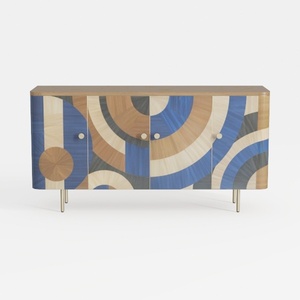
Tribesigns 63'' Farmhouse Sideboard Buffet Cabinet
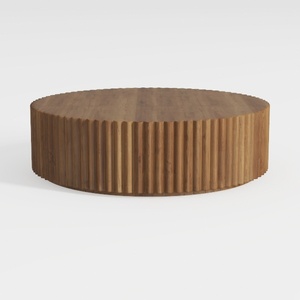
Oval Drum Coffee Table Brown Oval Fluted Coffee
Homestyler is your go-to online home design platform! Create stunning designs effortlessly with its user-friendly design tool, explore a vast array of 3D renderings, and dive into inspiring DIY video tutorials. Transform your space with creativity and ease—get started on your design journey today!
Progetta ora GRATIS
































