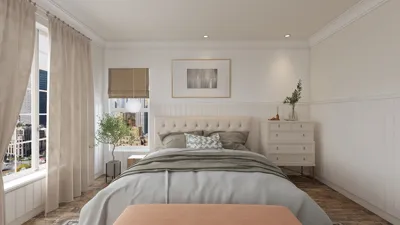


As a seasoned interior designer with over ten years of experience, I’ve observed the rapid pace at which living room styles evolve — recently, platforms like Pinterest have become a treasure trove of inspiration for my clients. As you explore the myriad of pins, you’ll find that even the smallest spaces often ignite the greatest creativity. In this article, I’m excited to present ten living room paint concepts that I’ve implemented and adored, seamlessly blending my personal experiences with professional design advice and featuring the benefits of using Homestyler.
1. Soft Greige for a Cozy Neutral Base
Insights: I applied soft greige in a compact city apartment, and the result was stunning. The atmosphere felt cozier than a stark grey while being fresher than a typical beige.
Advantages: Greige is incredibly versatile, complements wooden accents beautifully, and enhances the appearance of furniture. A recent Houzz report from 2023 highlights that neutral backgrounds can elevate perceived spaciousness by as much as 18%.
Disadvantages: It can appear somewhat dull if not paired with textured layers or colorful decor.
Advice: Combine it with wooden elements for added warmth, especially in smaller living rooms.
2. Deep Navy Accent Wall
Insights: In a narrow living area, I painted one wall with deep navy to provide depth. It quickly became a striking focal point without overwhelming the area.
Advantages: This color adds an element of drama and elegance; it's particularly effective alongside brass or gold fittings. Long-tail keyword: ideas for a deep navy living room accent wall.
Disadvantages: In spaces with inadequate lighting, it might make the room feel darker.
3. Sage Green Serenity
Insights: A gentle sage shade I utilized made a bustling family room feel serene last year. Clients reported they began to spend more time in the space just to unwind.
Advantages: Colors inspired by nature, like sage, foster relaxation, as highlighted by studies from the Color Marketing Group. It pairs beautifully with hardwood or neutral area rugs.
Disadvantages: In dimly lit areas, sage may lose vibrancy if white balance isn't managed.
4. Terracotta Warmth
Insights: Terracotta pleasantly surprised me in a contemporary loft project, as the earthy hue softened the industrial features, making them feel more welcoming.
Advantages: Earthy hues cultivate a grounded ambiance and work well with rattan and linen materials.
Disadvantages: When applied to all four walls in rooms with low ceilings, it can feel quite heavy.
5. Off-White with Creamy Undertones
Insights: I consistently advocate for off-white over pure white — it provides a softer appearance and conceals wall imperfections more effectively.
Advantages: This color maximizes light, has a timeless quality, and complements any design style, making it ideal for Scandinavian-inspired interiors.
Disadvantages: To avoid a flat look, it requires contrasting elements.
Example: I implemented this color with L-shaped furniture configurations to enhance comfort in a spacious living room.
6. Charcoal Grey Drama
Insights: Charcoal walls magically highlight artwork; I showcased this in a client's gallery-style living space, and the pieces truly popped.
Advantages: This strong backdrop creates a contrast with lighter decor. According to Dulux, dark neutrals are on-trend for 2024.
Disadvantages: Without proper lighting, it may feel excessively heavy.
7. Pale Blush Elegance
Insights: I chose pale blush for my reading corner. It’s subtle enough to blend in while still feeling warm and inviting.
Advantages: This shade adds warmth without being overly feminine and pairs well with grey or olive decor.
Disadvantages: It might clash with certain wood tones if the undertones are misaligned.
8. Muted Mustard Accent
Insights: For a rental makeover, I introduced muted mustard, adding mid-century charm without alarming the landlord.
Advantages: It brings a retro flair and looks stunning alongside teal or walnut furnishings.
Disadvantages: Strong yellow tones can seem outdated if overused.
Advice: Always test paint swatches under various lighting conditions before finalizing your choice.
9. Stormy Blue-Grey
Insights: I admire this color for transitional living rooms; it successfully blends modern and classic elements.
Advantages: It feels cozy yet sophisticated and hides smudges more effectively than lighter greys.
Disadvantages: It can appear too cool without warming elements from textiles.
10. Olive Green Richness
Insights: Olive green swiftly grounded my client's bohemian-style living room, making it feel lush and inviting.
Advantages: Works harmoniously with natural fibers, leather, and brass accents. The search interest for "olive green living room walls" has soared by 35% over the past year.
Disadvantages: Not ideal for very compact dark rooms, as it may absorb excessive light.
Example: We enhanced the space with a bohemian-style mixed-texture palette, which effectively tied the design elements together.
Conclusion
Small living rooms are not a hindrance — they present an opportunity to elevate design creativity. The ideal paint can set the mood, change perceptions, and even influence how the space is utilized. As Architectural Digest emphasizes, color psychology significantly impacts the comfort of a home. Which of these living room paint trends from Pinterest are you eager to try, possibly using Homestyler to visualize your options?
FAQ
1. What are the top living room paint colors from Pinterest trends?
Leading colors include neutral greige, sage green, and deep navy, which dominate Pinterest boards for 2024 living room paint suggestions.
2. How should I select a color for a compact living room?
Light neutrals like off-white or creamy beige can help open up the area. Research from Sherwin-Williams supports that lighter shades enhance perceived brightness.
3. Are dark colors appropriate for living rooms?
Absolutely, particularly when used on accent walls that are well-lit. Charcoal grey and navy are popular choices.
4. What paint finishes are best for living rooms?
Eggshell or satin finishes provide a suitable balance of durability with a soft sheen, making them perfect for high-traffic areas.
5. How frequently should I repaint my living room?
Typically, every 5–7 years, depending on usage and sunlight exposure.
6. Can Pinterest color trends be timeless?
Certain shades like greige and sage are adaptable enough to remain stylish for years without feeling outdated.
7. What’s the best method to test paint colors effectively?
Apply large swatches on various walls and evaluate them at different times throughout the day.
8. What accent colors complement olive green walls?
Natural wood, leather, and brass create excellent combinations. We’ve successfully incorporated these in real-life design projects, yielding fantastic results.
Homestyler is your go-to online home design platform! With an easy-to-use design tool, stunning 3D renderings, and a wealth of design projects and DIY video tutorials, you can effortlessly create and visualize your dream spaces. Transform your home design ideas into reality today!
今すぐ无料でデザイン
































