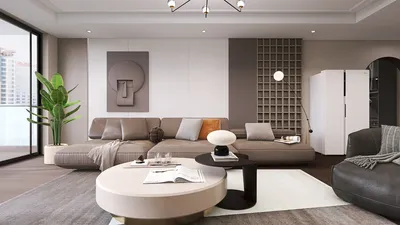


In the past ten years of my interior design journey, I've observed a remarkable evolution of the grey living room trend from merely being a safe option to becoming a distinctive design highlight. Particularly in smaller spaces, innovative color combinations can flourish, and grey stands out for its elegance and adaptability. Today, I’ll showcase 10 engaging grey living room concepts that I've successfully implemented in client projects, mingling my practical experience with informed insights. Believe me, small spaces are a canvas for immense creativity, especially when utilizing tools like Homestyler for planning.
1. Light Grey Walls with Layered Textures
My Perspective: I once redesigned a compact 28㎡ apartment where the owner was concerned that grey might create a cold atmosphere. By incorporating soft linen drapes, cozy wool throws, and a natural jute rug, the area transformed into a warm sanctuary while retaining its modern flair.
Benefits: Light grey walls evoke an open and airy ambiance, especially when illuminated by natural sunlight. Layering different textures prevents the flat appearance often associated with monochromatic designs, enhancing the inviting feel of a grey living room.
Drawbacks: In the absence of ample daylight, light grey might appear dull, necessitating the use of artificial lighting sources.
Advice: Opt for warm-toned bulbs to enrich the evening atmosphere.
2. Charcoal Feature Wall
My Perspective: During a loft project, I decided to paint the TV wall in a rich charcoal shade. The outcome was striking, perfectly accentuating artwork and adding depth to the limited space.
Benefits: Charcoal grey introduces contrast and elegance, making furnishings stand out and is noted by Architectural Digest (2023) for visually enhancing depth perception in rooms.
Drawbacks: Excessive dark grey can shrink the perception of space; striking a balance is crucial.
Advice: Counterbalance it with light wood shelves or floating cabinets.
3. Grey Sofa as the Centerpiece
My Perspective: I suggest using a medium-toned grey sofa for clients who love to switch out cushion colors with the seasons. It functions as a neutral core without overpowering the overall palette.
Benefits: This sofa style fits various aesthetics — Scandinavian, industrial, or contemporary. Its neutrality allows for playful accessories without clashing.
Drawbacks: Stains are more noticeable on lighter fabrics; therefore, consistent cleaning is essential.
Example: Consider performance fabrics for their durability and pair them with wooden details to create a warm environment that softens the cool effect of grey.
4. Grey and White Minimalist Palette
My Perspective: A grey and white color scheme is timeless and has worked wonders in urban apartments for clients desiring a minimalist, tranquil living space.
Benefits: This combination maximizes natural light, provides a sleek appearance, and pairs effortlessly with metallic accents.
Drawbacks: The scheme can turn sterile without the addition of warm textures or greenery.
Advice: Introduce plants or woven materials to keep the space lively.
5. Grey with Bold Colour Accents
My Perspective: In a flat renovation, I introduced mustard throw pillows and teal art on grey walls. The clients were astonished at how vibrant the area felt after the update.
Benefits: Grey provides the perfect backdrop, allowing vibrant accents to stand out without overwhelming the senses.
Drawbacks: Color trends shift rapidly—be prepared to refresh accents as preferences change.
Advice: Utilize removable decor for effortless updates.
6. Grey with Layered Lighting
My Perspective: Lighting is often underrated when designing small grey living rooms. I once integrated ceiling spots, wall sconces, and a standing lamp to create an effective yet dramatic arrangement.
Benefits: Various lighting layers provide depth and warmth to cooler tones, facilitating mood transitions from productivity to relaxation.
Drawbacks: An excess of fixtures may clutter the visual space.
Advice: Implement dimmable lights for versatility, similar to how an L-shaped configuration can maximize functional space in compact areas.
7. Grey with Metallic Touches
My Perspective: I enjoy pairing brass or brushed gold accents with mid-grey walls, as their warmth nicely balances the cool palette.
Benefits: This adds a touch of luxury at an affordable price and reflective surfaces can enhance light levels in darker homes.
Drawbacks: Overdoing metallic accents can create a gaudy feel; moderation is vital.
Advice: Restrict metallics to a few statement pieces, such as a lamp or a side table, to maintain elegance.
8. Grey and Natural Wood Balance
My Perspective: This pairing is classic. I once combined a soft dove grey wall with oak furnishings, immediately grounding and warming the atmosphere.
Benefits: Wood elements contribute warmth and texture, ideal for Scandinavian-themed designs.
Drawbacks: Excess dark woods with grey can make a space feel weighed down.
Advice: Mix light and medium wood tones for a balanced and breathable design effect.
9. Grey Rugs for Zone Definition
My Perspective: In open-concept apartments, a grey rug can subtly delineate the living area without the need for permanent barriers.
Benefits: It softens acoustics while defining spaces, aligning with various furniture colors.
Drawbacks: Rugs require upkeep, including routine vacuuming and periodic deep cleaning.
Advice: Select easy-to-clean materials, especially for families with pets, or consider patterns that promote cohesion throughout the space.
10. Monochrome Grey Layering
My Perspective: I relish experimenting with various shades of grey — utilizing walls, textiles, and accessories of differing depths creates a nuanced appeal.
Benefits: This approach is seamless and refined, particularly perfect for enthusiasts of minimalist aesthetics. It allows the eyes to rest while still maintaining visual interest.
Drawbacks: Without textures or accents, it may appear flat.
Advice: Incorporate tactile materials like velvet or boucle to maintain dynamism.
Conclusion
Throughout my design endeavors, I’ve discovered that a grey living room is not a constraint; it's a gateway to thoughtfully curated design choices. By infusing warmth with wood or experimenting with vibrant color accents, grey can serve as a versatile base. As highlighted in Houzz's 2023 interior trends report, layered neutrals remain a staple. Which of these 10 concepts would you explore for your own space, and how might tools like Homestyler help in visualizing your design?
FAQ
1. Is grey a suitable choice for small living rooms?
Absolutely, when combined with appropriate lighting and textures, grey can create an illusion of a larger room. Lighter tones tend to work best for promoting an open atmosphere.
2. How can I prevent a grey living room from appearing cold?
Blend grey with warm lighting, wooden features, and plush fabrics. Architectural Digest recommends integrating it with natural elements for balance.
3. Which colors harmonize well with grey?
Neutral shades, bold jewel tones, and earthy hues complement grey beautifully. The desired emotion dictates the suitable combination.
4. What are the most popular grey shades for living areas?
Light to mid-tone greys, such as Benjamin Moore’s 'Gray Owl', consistently rank high in popularity according to Houzz’s annual color survey.
5. Is it feasible to mix warm and cool greys?
Yes, this can create depth; ensure that the undertones harmonize by sampling before full implementation.
6. Are grey living rooms falling out of fashion?
No, while styles evolve, grey continues to be a timeless neutral that seamlessly adapts to various trends.
7. What strategies can I use to enhance a monochrome grey palette?
Experiment with different textures, patterns, and finishes. Introducing metallics or natural fibers can elevate the overall look as well.
8. Can dark grey be effectively used in a compact living area?
Yes, especially in the form of an accent wall or furnishings when contrasted with lighter surroundings. You could even simulate designs using an interactive 3D tool like Homestyler to visualize before making changes.
Homestyler is your go-to online home design platform! With its user-friendly design tool, stunning 3D renderings, and a wealth of DIY video tutorials, you can effortlessly create and visualize your dream spaces. Transform your home design journey today!
Дизайн сейчас бесплатно
































