

Throughout my experience in orchestrating events, I've worked in venues that range from quaint courtyards to expansive ballrooms capable of accommodating 2,000 guests. The foundation for a successful event, particularly in venues like the Sambhram Convention Hall which hosts weddings, corporate events, and large gatherings, lies in a careful analysis of spatial dynamics, flow, and attendee comfort. Effective layout strategies, quality lighting, superior acoustics, and ensuring guest ergonomics are integral to distinguishing merely good events from exceptional experiences.
WELL v2.
Strategic Event Planning Based on Capacity and Movement
Prior to finalizing your event date, it’s essential to correlate the guest numbers with the suitable seating arrangements: banquet rounds accommodate 8-10 attendees per table, theater-style seating is ideal for keynote presentations, classroom setups are perfect for workshops, and mixed lounge configurations suit networking sessions. Generally, banquet settings necessitate 10-12 square feet of space per guest—including circulation areas—while for theater layouts, this can be reduced to 6-8 square feet per guest provided that aisles are well defined and escape routes are unobstructed. Utilizing a room layout tool, such as Homestyler, can greatly assist in visualizing seating arrangements, aisle widths, and stage visibility prior to finalizing rentals.
Lighting Techniques: Establishing Atmosphere While Ensuring Visual Comfort
Commence with general ambient lighting set between 300 and 500 lux for common areas, increase task lighting to 500-750 lux at registration desks, and maintain a consistent color temperature: 2700-3000K for cozy dining events and 3500-4000K for corporate gatherings. Adhering to IES guidelines, implementing glare-reduction strategies through shielding angles and diffusers significantly lessens eye strain. Aiming for uniformity ratios around 0.6-0.8 within seating areas helps mitigate uncomfortable hotspots. Consider layering lighting elements—ambient, accent, and decorative—to cater to both photographic needs and guest comfort.
Sound Management: Ensuring Clear Communication and Rich Auditory Experiences
Successful events create clear auditory experiences while minimizing fatigue. The reverberation time (RT60) in larger venues should ideally be maintained between 1.2 and 1.8 seconds for speech-driven gatherings, whereas weddings can manage slightly longer durations with the utilization of soft furnishings and drapery. To absorb mid and high frequencies, incorporating acoustic panels behind the stage, carpeting on aisles, and fabric backdrops serves significantly. Correctly positioning line-array speakers is essential to ensure balanced distribution, while providing a quiet space for audiovisual teams is imperative; sound checks should encompass both spoken word and full-band tracks to optimize the audio experience.
Stage Design, Aisles, and Safety Management: Merging Functionality with Aesthetic Appeal
When establishing focal points for keynotes or mandaps, it’s vital to provide at least 4-6 feet of unobstructed aisle width to facilitate photography, service staff, and guest mobility. Ensure all exit doors remain accessible and clearly marked, and include floor-level lighting for evening receptions. A stage height ranging from 18 to 24 inches is appropriate for most audience types while ensuring ADA compliance with a ramp slope of 1:12. I prefer to utilize interior layout planners, such as Homestyler, to create mock seating arrangements that verify sightlines from all corners of the venue and confirm accessible seating positions.
Attendee Comfort: Prioritizing Ergonomics and Behavioral Considerations
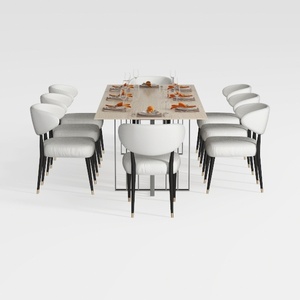
The human experience plays a crucial role in determining the event's atmosphere. Studies conducted by Herman Miller illustrate that ergonomic seating can enhance posture and lessen discomfort during extended sessions—a vital factor for conferences and weddings that may last beyond an hour. When selecting banquet chairs, prioritize options that offer supportive lumbar structures and seat heights between 17-19 inches. Strategically distribute hydration stations and soft seating particularly near restrooms and exits to encourage natural circulation and keep guests refreshed without interfering with event programming.
Color and Emotional Influence: Practical Application of Color Psychology
Color choices are impactful in setting the tone of an event. Cool hues such as blues convey calmness and reliability, making them suitable for corporate events, while warmer tones and jewel shades foster intimacy and celebration, thus ideal for weddings. Insights from Verywell Mind report that reds and gold accents encourage energy and festivity; these should be used sparingly to prevent overwhelming visual experiences. It is important to strike a balance between decorative elements such as florals and textiles with consistent neutral lighting to ensure that photographers can effectively manage white balance throughout the venue.
Catering Logistics and Service Efficiency
Establish clear paths for catering operations that do not interfere with guest movement. Maintain a minimum of 5 feet space behind banquet chairs to facilitate server movement and position bussing stations every 40-60 attendees to minimize noise disruption. If the venue features a dedicated service corridor, acoustic treatment with soft materials will help diminish noise levels impacting the main event experience. For buffet setups, prepare approximately 12-14 linear feet of space per 100 guests for each station to prevent congestion during peak dining times.
Technology and Power Distribution Planning
Verify load capacities and distributions comprehensively: stage power, AV equipment, and kitchen appliances can consume significant amperage. Plan strategically for power distribution, considering drops for photo booths, charging stations, and vendor setups with taped cable runs for safety. Wi-Fi requirements should adapt to audience size; for setup in conference formats, ensure that sufficient access points are allocated and verify signal strength during peak periods.
Navigation, Arrival, and Memorable First Impressions
Research suggests that guests form opinions about organization within the first 60 seconds of arrival. Crafting a well-defined arrival sequence is crucial: clear parking signage, a staffed welcome area, and directional markers leading to restrooms and seating areas enhance the initial experience. At Sambhram Convention Hall, if multiple entryways exist, streamline the flow by guiding arrivals through a principal ceremonial entrance while utilizing secondary doors for logistical ease. It's best to keep floral arrangements clear of egress paths and ensure photo backdrops do not obstruct traffic flow.
Sustainability in Event Planning: Choices that Matter
Select decor that can be reused, utilize dimmable LED lighting, and source floral arrangements locally to lessen your event’s environmental impact. Opt for table linens designed for high durability; whenever possible, use rental items crafted from FSC-certified wood. Waste segregation stations should be positioned visibly yet discreetly, ideally near service corridors rather than high-traffic aisles.
Contingency Plans for Event Success
Be prepared for potential schedule changes and weather issues, particularly if your venue features open spaces. Including a 10-15% time buffer within your schedule can alleviate stress, and having backup plans for lighting systems can be crucial in case of equipment malfunctions. Consolidate vendor contact information onto a single sheet; using a quick radio code can facilitate seamless communication among teams without creating confusion.
Illustrative Layout Examples
• For a wedding banquet serving 600: arrange 60 banquet tables (10 per table), ensure 6-foot aisles, place the central stage along the long axis, with buffet stations at the rear and two coffee points near exits.
• For a corporate keynote for 800: utilize theater-style seating in three sections with an 8-foot central aisle and side aisles at 6 feet, ensure raked sightlines are verified via a layout simulation tool, acoustic panels positioned behind the speaker, and utilize confidence monitors angled at 30-35 degrees.
• For a mixed networking and awards event for 500: position lounge seating around the perimeter, cocktail rounds near sponsor booths, and use low-intensity ambient lighting with accent lighting directed at the award stage, with a bar at the rear to effectively manage crowd distribution.
Budgeting for Maximum Value
Focus spending on aspects that yield the greatest impact: prioritize sound, lighting, and seating quality. Save costs by consolidating floral arrangements into a few high-value displays rather than spreading decor thinly across the venue. Negotiating load-in windows can prevent extra charges with suppliers, and consolidating rentals from fewer suppliers will minimize transportation expenses.
Frequently Asked Questions
Q1: What are ideal lighting levels for large spaces like Sambhram?
A1: For general areas, aim for ambient lighting between 300-500 lux, while task areas should reach 500-750 lux. Maintain color temperature consistency (2700-3000K for festive dinners; 3500-4000K for business events), controlling glare with the help of diffusers and appropriate shielding strategies.
Q2: How much space should I allocate per guest?
A2: For banquet arrangements, generally plan for 10-12 square feet per guest, including circulation space. In theater setups, aim for 6-8 square feet per person, provided aisles and exit routes are well structured.
Q3: What seating arrangements promote comfort during lengthy programs?
A3: Choosing chairs with good lumbar support and seat heights of 17-19 inches contributes to better posture. Research from Herman Miller indicates that ergonomic seating improves overall engagement.
Q4: How can echo be minimized for clearer speeches?
A4: Manage reverberation time around 1.2-1.8 seconds for speech-focused events. Employ acoustic panels near the stage, carpeting in aisles, and fabric backdrops to absorb mid and high frequencies. Position line-array speakers strategically for even audio coverage.
Q5: What should be the minimum aisle width?
A5: Ensure main aisles are 4-6 feet wide to accommodate guest movement, service tasks, and photography needs. Always keep egress routes clear and prominently marked with signage.
Q6: How do color choices impact weddings versus corporate events?
A6: Warm tones like golds and jewel accents foster a celebratory vibe, while cool neutrals and blues promote tranquility and professionalism. Accent colors should be utilized intentionally to prevent visual fatigue.
Q7: What considerations should be made when planning buffet stations?
A7: Allocate 12-14 linear feet of buffet space per 100 guests, ensuring traffic flow moves in one direction and positioning bussing stations every 40-60 guests to alleviate crowding.
Q8: What power and technology considerations should I keep in mind?
A8: Ensure power distribution is mapped out for stages, AV systems, and vendors; secure cable runs effectively; check Wi-Fi coverage for full capacity; and conduct thorough sound and lighting checks well ahead of the event start time.
Q9: How can I incorporate sustainable practices without sacrificing aesthetics?
A9: Choose dimmable LED lights, reusable decorative elements, durable linens, and locally sourced floral arrangements. Keep waste management stations unobtrusive yet accessible, ideally located near service routes.
Q10: How can I streamline arrivals to prevent congestion?
A10: Organize the welcome desk centrally, ensuring clear directional markers for restrooms and seating, while designating secondary entrances for logistical needs. Keep primary circulation paths clear of obstructions like floral displays.

Homestyler is an exceptional online home design platform perfect for anyone looking to revamp their space. Its user-friendly design tool and stunning 3D renderings allow you to visualize your ideas effortlessly. Plus, access a wealth of design projects and helpful video tutorials to inspire your creativity!
Zaprojektuj teraz za darmo
































