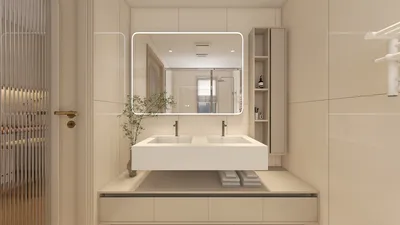


In my past experience, I once placed uplights too near a client's exquisite stone accent wall, unintentionally transforming a serene living space into a striking grotto. While the clients appreciated the outcome, I quickly learned the significance of beam angles and glare. Such minor design oversights taught me how effective lighting can metamorphose a stone wall from overwhelming to awe-inspiring. Interestingly, small areas often challenge you to be more innovative: with fewer fixtures, each light's impact is magnified.
1. Uplighting to Enhance Texture
For emphasizing stone texture and relief, I frequently suggest using narrow-beam uplights positioned at the base of the wall. This technique creates dramatic shadow patterns that truly shine in compact spaces. However, to sidestep hotspots, it’s wise to use adjustable fixtures and experiment with angles prior to the final setup. On a budget? Consider warm LED strips that can be recessed at the wall base, capturing a sculptural effect without extensive electrical work.
save pin
2. Grazing to Showcase Grain
Grazing lights, when installed closely and in parallel to the stone surface, effectively bring out every bump and texture, which is particularly advantageous for stones with a distinctive surface. This method works wonders for creating contrast in a small entryway; however, it might appear too intense on smoother stones. Hence, pairing grazers with dimmable drivers often yields an ideal effect. I once harmonized grazing light with soft pendant illumination to enhance the room's inviting ambiance.
save pin
3. Accent Spotlights for Art and Features
Directional spotlights can effectively highlight specific features on a stone wall, such as artistic elements or niches. These lights offer precise control and multi-layered brightness; however, this may necessitate the use of multiple fixtures for uniform coverage. During a recent kitchen renovation, I used focused spotlights above a stone backsplash to accentuate both texture and nearby herb racks, creating a culinary experience reminiscent of a theatrical performance. For further inspiration, explore my recommended kitchen layout planner featuring practical examples.
save pin
4. Backlighting for Subtle Illumination
Implementing backlighting behind slender stone panels produces a halo effect that is both contemporary and surprisingly tranquil in smaller bedrooms. This technique reduces the wall's perceived bulk while adding depth; however, it requires either translucent stone or a meticulous gap for LED positioning, which could raise costs. I employed this method for a client aiming for a minimalist aesthetic, resulting in a delightful, gallery-like feel.
save pin
5. Layered Lighting with Dimmers
My preferred strategy involves combining uplights, spotlights, and ambient fixtures equipped with dimmers, providing adaptability for movie nights, dinner gatherings, or reading sessions. This setup offers complete lighting control and versatility in mood; the only drawback is the slightly added complexity and reliance on a skilled electrician. In smaller residences, a smart dimmer controlling various circuits can streamline installation while producing a rich lighting scheme. If layout visualization is needed, utilize a 3D floor planner for effective fixture placement planning.
save pin
Tips 1:
For practical application: opt for warmer color temperatures (2700–3000K) to enhance stone aesthetics; ensure fixtures are adjustable, and utilize narrow beam angles for textural emphasis; testing should ideally occur in evening lighting. For DIY enthusiasts, low-voltage LED tape is easier to manipulate, but adhering to safety codes or consulting with an electrician is wise. For a wealth of inspiration on placement and design, check out a curated case gallery of 3D rendered homes through Homestyler.
save pin
FAQ
Q1: What color temperature works best for stone walls?
A1: I suggest using a warm white range of 2700–3000K, as it beautifully enhances the natural hues of stone while fostering a warm and inviting atmosphere without washing out the texture.
Q2: Can LED strip lights effectively highlight a stone wall?
A2: Certainly, LED strips are perfect for both uplighting and backlighting, assuming the stone permits a concealed channel; ensuring the use of appropriate diffusers will help avoid visible hotspots.
Q3: What is the ideal distance for grazing lights from the wall?
A3: Position grazing fixtures a few inches to one foot from the wall, depending on the beam angle; placing them closer increases shadow contrast but demands meticulous alignment.
Q4: Are there energy-efficient lighting options available for stone walls?
A4: Today’s modern LEDs deliver high lumens per watt alongside dimmable drivers, making them an efficient and practical solution for wall illumination.
Q5: Can lighting adversely affect natural stone over time?
A5: Typically not, as LEDs emit minimal heat and UV radiation; steer clear of high-heat halogens near porous stone and ensure proper ventilation is in place.
Q6: How can I minimize glare when uplighting a stone wall?
A6: Employ shields, select narrow beam angles, and position fixtures below eye level; adjustable trims are beneficial for fine-tuning glare reduction.
Q7: Where can I find professional guidance for lighting installations?
A7: The Illuminating Engineering Society (IES) provides authoritative publications offering recommended practices and safety standards for lighting design.
Q8: Can smart control systems enhance the effects of lighting on stone walls?
A8: Absolutely — utilizing smart dimmers and preset scenes allows for smooth transitions between striking grazing and soft ambient lighting, enhancing convenience and atmosphere.
save pin
Homestyler is your go-to online home design platform! With its user-friendly design tool, stunning 3D renderings, and a wealth of DIY video tutorials, you can effortlessly create and visualize your dream spaces. Transform your home design ideas into reality with ease!
立即免费设计
































