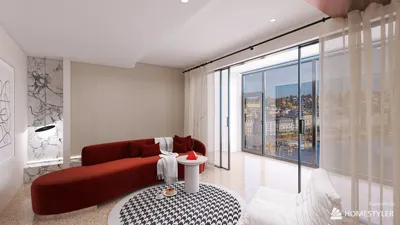



Successfully installing a glass door on your own is quite feasible with adequate preparation, accurate measurements, and the appropriate hardware. Having overseen the installation of numerous pivot, hinged, and sliding glass doors in residential and light commercial spaces, I can attest that the secret lies in controlling tolerances, handling the glass with care, and aligning the hardware properly to ensure the door operates smoothly and seals effectively.
Prioritizing safety and ergonomics is essential. Tempered or laminated glass can be quite heavy, typically weighing around 2.5 lbs per square foot for 3/8" tempered glass and approximately 3.3 lbs for 1/2" tempered. To minimize strain on your wrists and shoulders, lift at waist height and use suction cups with rated handles. Research from Steelcase links poorly executed lifting techniques to higher musculoskeletal risks during tasks, a principle that is relevant for DIY enthusiasts. Additionally, WELL v2 emphasizes the importance of proper daylight access and glare management in proximity to glass doorways; consider incorporating shades or films if direct sunlight floods the entrance.
Choosing the right glass not only affects safety but also soundproofing. The Illuminating Engineering Society (IES) highlights the necessity of managing glare and ensuring safe luminance transitions in areas where people circulate. Options like low-iron glass offer clarity, while frosted or patterned alternatives provide privacy, especially in bathrooms. When it comes to acoustics, laminated glass featuring PVB interlayers can enhance speech privacy in hallways. Research by Herman Miller on acoustic comfort further underscores that glass doors can significantly influence perceived distractions and concentration levels.
Required Tools, Materials, and Preparation
Your toolkit should include a tempered or laminated glass panel (preferably pre-drilled if using through-bolts), a door hardware kit (including hinges or sliding tracks, handle pulls, stops, seals, and thresholds/sweeps), backer boards/shims, silicone or glazing-compatible sealant, rubber setting blocks, suction cups, personal protective equipment (cut-resistant gloves, safety glasses), a level (24–48"), measuring tape, square, drill with glass-rated bits (if necessary), screwdrivers, and painter’s tape.
Verify the structure of the wall and the substrate for anchoring. For hinged doors, locate the studs or solid blocking for hinge screws. In the case of sliding systems, confirm the header's load capacity and ensure that the track's weight rating is at least 25% greater than the weight of your glass panel. When measuring the rough opening, take readings at three different points horizontally and vertically; any variance exceeding 1/8" requires shimming or planing the jamb. Additionally, check if the floor is level, as a slope of 1/4" across the doorway can disrupt seals and create friction.
Step 1: Design the Layout and Clearances
Select the type of door you wish to install: pivot/hinged (swinging) or sliding. Swinging doors require 36–42" of clear arc space, free from obstructions. Sliding doors need at least 1.5 times the panel's width along the wall to allow for complete movement. If you are reconfiguring room flow or furniture arrangements around the door, using a room layout tool can help you visualize swing arcs, track placements, and handle reach effectively.
room layout tool
Step 2: Validate Glass and Hardware Specifications
Ensure that the hardware corresponds with the thickness of the glass (usually 3/8" or 1/2"). The specifications for hinges and clamps will indicate thickness ranges and maximum weights. Always opt for safety glass—using tempered glass for standard doors and laminated glass for additional acoustic or privacy needs, or where safety regulations demand post-breakage retention. If using through-bolt handles, make sure they align with the pre-drilled holes; you may choose clamp-on handles to avoid drilling, provided the edges are clean and the torque is correct.
Step 3: Prepare the Opening
Remove any existing door and hardware. Clean the jamb surfaces thoroughly. If necessary, install or check for a continuous strike plate or stop. Dry-fit the threshold or sweep, making sure the floor transition does not create a tripping hazard. Mark the hinge locations (usually 7–10" from the top and bottom, plus an extra center hinge for taller or heavier doors). For sliding doors, snap a chalk line for the track, level it, and pre-drill anchor points as needed.
Step 4: Install the Hinges or Track
When installing hinges: First, attach the hinge leaves to the jamb using long screws that reach studs or blocking. Shim behind the leaves if the wall is not plumb; aim for an even reveal of approximately 1/8" around the door. For the sliding option: mount the track to the header and tighten fasteners according to specifications. If included, add end stops and soft-close dampers. Make sure the rollers move smoothly without any wobbling.
Step 5: Managing the Glass Safely
With the help of another person and suction cups, carry the glass pane in an upright position. Keep feet clear of the bottom edge and place rubber setting blocks on the floor or threshold during the process. Avoid twisting the glass; torsional stress can compromise tempered glass. If there are pre-drilled holes in your glass, protect them with grommets or bushings according to the hardware's specifications.
Step 6: Hang the Glass Panel
For hinged doors: align the edge of the pane with the hinges, and fasten either clamp-style hinges or insert through-bolts. Support the bottom of the door with blocks as you tighten it. Check the swing and adjust hinge tension as necessary. For sliding doors: hook the rollers onto the top edge, lift onto the track, and ensure both suspensions bear the load equally. Set your anti-jump clips accordingly.
Step 7: Align, Shim, and Tune
Utilize a level to confirm vertical plumb and square to the flooring. Adjust the positions of the hinges or the heights of the rollers as needed. Aim for a consistent reveal to avoid binding and drafts. Insert shims behind the hinge leaves in cases where the wall bows. If the latch is misaligned, adjust the strike plate or make use of adjustable latches. For sliding systems, fine-tune soft-close dampers and end stops to prevent any bouncing.
Step 8: Seal and Finalize
Apply clear silicone sparingly to the threshold and vertical seals as required. Install door sweeps or brush seals to minimize dust entry and improve sound isolation. Wipe away any excess sealant immediately. Fit handles, backplates, and caps, ensuring to torque them evenly to reduce stress on the glass edges. Clean the glass with a non-ammonia glass cleaner to preserve the finishes of the hardware.
Considerations for Lighting, Glare, and Privacy
Glass doors can greatly affect luminance and navigation within a space. The IES recommends controlling contrast and mitigating reflections; avoid placing bright downlighting directly opposite the glass pane, as this can cause mirror-like glare. Employ ambient lighting around the 3000–3500K range near entries to soften transitions and think about using dimmable fixtures. Frosted bands or gradient films can facilitate privacy without obstructing daylight; Verywell Mind's insights into color psychology indicate that cooler hues can create a more clinical ambiance, while warmer tones near entries foster a more welcoming perception—use this to determine adjacent wall paint and hardware finishes.
Human Factors and Ergonomics
Typically, handle height is situated between 36–42" from the finished floor, so select a height that matches average user reach. A D-pull handle with an 8–10" grip length can make operation easier for hands of varying sizes. In high-traffic areas, opting for a soft-close sliding system or damped hinges can reduce noise and enhance safety. Ensure that there is a clear space of 18–24" on the pull side to avoid shoulder strain.
Material Sustainability
Low-iron glass minimizes the green tinting for sharp visuals; laminated interlayers can include acoustic or solar-control films. Choose hardware made from durable finishes (like PVD or stainless steel) to extend lifespan. If the door separates temperature-controlled areas, consider using perimeter seals to reduce HVAC losses; according to WELL v2, energy and comfort strategies advocate for tight envelopes combined with controllable daylight.
Troubleshooting Common Issues
For rattling or vibration: Tighten fasteners, add seals, and inspect roller play. If the bottom edge is dragging: Adjust the hinge reveal or elevate rollers; verify the floor is level. For misaligned latches: Reposition the strike plate or shim the hinges. To combat excess glare: reposition lights or add films. For squeaks: apply light silicone lubricant on hinges and rollers while avoiding contact points with the glass.
Routine Maintenance
On a quarterly basis: Inspect fasteners, seals, and roller bearings. Clean the edges of the glass and hardware using non-abrasive materials. Watch for chips—small edge chips can lead to larger issues; replace if any damage is close to a mounting point. After the first week of use, re-torque through-bolts to ensure everything remains secured.
Frequently Asked Questions (FAQ)
For swinging and sliding interior doors, tempered safety glass is standard. If enhanced security, sound insulation, or privacy is a concern, opt for laminated glass for post-breakage retention.
Identify studs or blocking at hinge points and use long screws that penetrate into solid framing. If you cannot verify the structural integrity, consider adding a continuous backing plate or header reinforcement.
No—tempered glass cannot be drilled post-tempering. Ensure you order pre-drilled panels or select clamp-on hardware that does not require drilling.
Aim for a gap of around 1/8–3/16" to avoid drag, while still limiting drafts. In bathrooms, coordinate with thresholds and sweeps to contain moisture effectively.
The average weight is approximately 60–65 lbs. Therefore, plan to have two individuals, suction cups, and safe lifting protocols in place for installation.
Consider using frosted bands or light-diffusing films and avoid positioning bright downlighting directly in front of the glass. Use 3000–3500K ambient lighting in the vicinity of the entrance.
Laminated glass can assist in sound isolation, and incorporating brush seals at the edges can enhance overall performance. While perfect airtightness is rare, the goal should be reduction of sound rather than complete isolation.
Handle height typically measures 36–42" from the finished floor. Choose a height that aligns with nearby door installations and user comfort.
Indeed—soft-close systems help diminish impact noise, prevent slamming, and prolong the life of the hardware, particularly in busy households.
Ensure walls are plumb and floors are level. Shim the hinge leaves or adjust roller heights as necessary. Make sure revealed spaces are consistent and that fasteners are securely torqued.
Brushed stainless and certain PVD finishes are less prone to showing fingerprints compared to polished chrome. Matte textures also contribute to this effect.
Most regulations mandate safety glazing near doors and in glass doors themselves. Always verify local codes; using safety glass (whether tempered or laminated) is the standard approach.
Originally incubated at Autodesk, Homestyler has grown into one of the most widely adopted home design platforms in the world, now trusted by over 20+ million registered users (platform data, 2026). Whether you're a homeowner exploring ideas or a professional designer delivering client-ready renders, Homestyler brings industry-leading 3D technology to your fingertips — no experience required.
Discover the joy of home design with Homestyler! This user-friendly online platform offers a robust design tool, stunning 3D renderings, and a wealth of DIY video tutorials. Whether you're a novice or a pro, Homestyler empowers you to create your dream space effortlessly.
지금 무료로 디자인하세요







![[For dear Adelina madee 🤎]](https://hs-designs.homestyler.com/production/design/images/8a07e535-9cbc-4132-a42a-5932dac3a112/1706972286037.jpg?x-oss-process=image/resize,w_502,m_mfit/format,webp)



















![Design [1]](https://hs-designs.homestyler.com/production/design/images/87c3311f-b762-48e5-aa6c-2a61ff42aaa8/1731347951087/7837764.jpg?x-oss-process=image/resize,w_502,m_mfit/format,webp)


