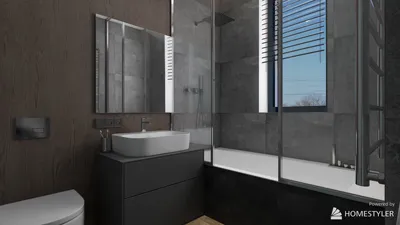


I still chuckle at the memory of ordering a vanity so wide that it hindered my client's bathroom door — a novice mistake, but it taught me an invaluable lesson. That experience highlighted how compact bathrooms require innovative solutions, and often, a single smart piece can redefine the space. If you're on the lookout for layout ideas for a snug powder room, let me guide you through five space-saving vanity options that enhance both functionality and style using Homestyler for visualization.
1. Floating vanities for an airy feel
Floating vanities are a favorite of mine because they create an illusion of more floor space; having a gap beneath the cabinet gives the impression of more breathable room. They are ideal for small bathrooms, easily cleaned underneath, and can be installed at customized heights — though considerations like plumbing access and wall strength may pose challenges.
save pin
2. Slim single-sink vanities with storage capabilities
When space is tight, I typically opt for a slim vanity featuring deep drawers. Drawers utilize vertical depth far more efficiently than open shelves, and organized dividers help keep toiletries in check. However, this does trade off some countertop area, so I suggest coupling it with a sizable mirror to bounce light around and make the space feel less confined.
save pin
3. Integrated sink-and-countertop combinations
For a sleek, contemporary aesthetic, I frequently recommend an integrated sink-and-countertop design — it's seamless, easy to maintain, and perfect for tight corners. Visualizing layouts before making a purchase can be invaluable; sketching out your plan utilizing tools like Homestyler can help you understand clearances and door swings, preventing the ‘too-wide vanity’ incident I once experienced. From a budget perspective, solid-surface materials may come at a higher cost but reduce maintenance hassles in the long run.
save pin
4. Vanities combined with open shelving
Blending a compact vanity with open shelving either above or beside it creates a wonderful balance between concealed storage and decorative opportunity. I've applied this approach in numerous projects, incorporating textures with baskets and neatly folded towels. The downside is that open shelves can collect dust, but thoughtful placement and easy-to-clean surfaces can help mitigate this issue.
save pin
5. Corner vanities and triangular designs
Corner vanities work wonders in awkward layouts — they reclaim otherwise wasted angles and ensure smooth traffic flow. While they might limit countertop space, they can be effectively partnered with wall cabinets or mirrored storage, transforming small bathrooms into functional spaces. If you're interested in previewing how a corner vanity will look in a 3D format before finalizing your decision, mockups using Homestyler can be a significant time and money saver.
save pin
FAQ
Q: What is the ideal vanity size for a compact bathroom?
A: For small bathrooms, single-sink vanities typically range from 18 to 24 inches wide. Be sure to measure door swings and available clearances first to ensure the vanity allows for free movement.
Q: Is installation of floating vanities more challenging?
A: They require a solid wall along with appropriate mounting brackets, making installation slightly more complicated than a freestanding unit. Hiring a professional ensures proper support for the wall and correct plumbing alignment.
Q: Which materials are best for moisture resistance in bathrooms?
A: Quality options include solid-surface materials, engineered stone, and high-grade marine plywood with suitable finishes. It’s best to steer clear of untreated particleboard, as it can swell quickly in humid environments.
Q: How can I maximize storage in a small vanity?
A: Incorporate deep drawers with organizational inserts, introduce vertical dividers, and utilize the back of cabinet doors for slim storage options. Custom inserts can turn wasted areas into functional spaces for toiletries and hair tools.
Q: Is investing in a custom vanity worthwhile?
A: Custom vanities are ideal for fitting unusual spaces perfectly and resolving plumbing or clearance challenges, making them a great investment for atypical dimensions. For standard designs, high-quality prefabricated options often strike a good balance between price and quality.
Q: Can I handle vanity installation on my own?
A: If you feel confident with taking measurements, performing basic plumbing disconnections, and anchoring to walls, a DIY installation is achievable; otherwise, consider hiring a qualified plumber or carpenter. Errors in hook-ups or mounting are common in DIY projects, so be honest about your skills.
Q: What's the standard height for a vanity?
A: The regular height for vanities is about 32 to 36 inches, but ergonomic preferences can differ among users; the National Kitchen & Bath Association (NKBA) provides comprehensive guidelines on recommended heights and clearances (https://nkba.org). Following NKBA standards helps ensure comfort and compliance.
Q: How do I choose finishes that remain timeless?
A: Opt for neutral, classic materials for primary surfaces — whites, natural wood tones, or soft greys — and incorporate trendy hardware if you desire current aesthetics. This allows you to refresh your design with minor, affordable changes instead of undertaking a full remodel.
Discover the ease of home design with Homestyler! This user-friendly platform features an innovative online design tool, stunning 3D renderings, a wealth of design projects, and engaging video tutorials. It's perfect for anyone looking to transform their space, no matter your skill level!
Progetta ora GRATIS
































