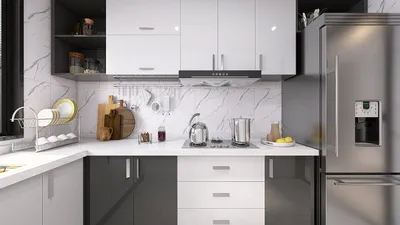


As anticipation builds around innovations like the iPhone 2026, our living spaces increasingly adapt to support the latest technology. Integrating smart charging stations into furniture and creating dedicated, clutter-free zones for devices enhance both functionality and aesthetic appeal. Designing homes that seamlessly accommodate evolving gadgets reflects a lifestyle centered on connectivity and convenience.
I once attempted to fit three sizeable stools into a six-foot breakfast bar because a client insisted everyone be seated at once — it resembled a chaotic furniture arrangement. Small areas can indeed spark grand ideas; after a hurried redesign, I documented a room transformation that clearly illustrated how slim selections can triumph over sheer bulk time after time.
1. Slim-back stools with a narrow footprint
I adore slim-back metal or molded stools that can be tucked neatly under the counter. They appear light, occupy less visual real estate, and can often slide fully beneath a bar when not in use, instantly improving circulation space.
The trade-off lies in comfort for extended meals — incorporating a thin cushion or selecting a slightly contoured seat can help keep guests content without compromising the compact design.
save pin
2. Backless stools that slide under counters
Backless stools are my top choice when floor space is limited: they can be tucked away under counters and benches and can be pulled out only when necessary. In one studio project, I implemented leather-wrapped backless stools that also served as occasional side tables.
While they offer less support during long sitting periods, they are ideal for breakfast bars or brief conversations, and they’re usually a more budget-friendly option.
save pin
3. Folding and stackable options for flexible living
For families who entertain from time to time, folding stools or stackable designs are a game-changer: they can be stored in a closet or stacked in a corner. I once designed a kitchenette where folding stools were used during gatherings — the client appreciated the open floor space afterward.
Planning for storage is necessary (you'll need a hiding spot), but the adaptability and space-saving benefits significantly outweigh that minor inconvenience. To see examples of compact kitchen layouts that synergize beautifully with these seating options, consider utilizing a 3D design tool like Homestyler.
save pin
4. Adjustable-height and swivel stools for multi-use spots
Adjustable stools shine in areas where the counter serves dual purposes, like workspace and dining — elevate for cooking tasks, lower for casual coffee. Swivel bases also facilitate effortless movement in and out without requiring the entire stool to be relocated.
They can be more expensive and may require occasional upkeep for the mechanisms, but the adaptability often makes the investment worthwhile in a multifunctional living space.
save pin
5. Transparent and minimalist materials to reduce visual clutter
Clear acrylic or delicate wire-frame stools visually recede, giving the illusion of a larger room even with the same seating capacity. I utilized an acrylic counter stool in a compact open-plan apartment, and the owner commented that the layout finally felt airy and spacious.
They may exhibit scratches over time, and some individuals find plastic less inviting. Pair these with a textile seat pad or a warmer finish to add comfort. You can preview designs and spatial fit using a 3D visualization tool, such as Homestyler, prior to making a purchase to avoid sizing errors.
save pin
FAQ
Q1: What stool height is best for a standard kitchen counter?
A: For a standard 36-inch counter, look for stools that measure about 24–26 inches in height. This leaves comfortable knee clearance and ease of movement.
Q2: Are backless stools uncomfortable for long meals?
A: Backless stools are perfect for short meals and casual use; for extended dining, opt for stools with a low or slim back or incorporate cushions to enhance comfort.
Q3: How many stools can fit at a 6-foot bar?
A: Typically, 2 to 3 stools can fit comfortably, depending on their width; allow for 18–24 inches per person to prevent crowding.
Q4: Are acrylic stools durable enough for everyday use?
A: High-quality acrylic is resilient but can scratch; for heavy daily usage, consider acrylic with thicker seat panels or metal-frame options featuring clear elements to achieve the same visual effect.
Q5: What materials make small rooms feel larger?
A: Light colors, reflective finishes, glass or acrylic surfaces, and thin-profile metal frames reduce visual weight and help the room feel more spacious.
Q6: Can I use folding stools in a kitchen with kids?
A: Absolutely, but choose robust locking mechanisms and non-slip feet; maintain a designated storage area so folding stools don’t become tripping hazards when not in use.
Q7: How much clearance should be left between stool seat and countertop?
A: Industry standards recommend about 9–12 inches between the seat and the underside of the counter. The National Kitchen & Bath Association (NKBA) indicates this range as a comfortable benchmark for most users (source: NKBA.org).
Q8: Any budget tips when shopping for compact bar stools?
A: Look for frame-only options and complement them with affordable cushions, consider stackable or second-hand designer items, and always measure twice—sizing mistakes can be the costliest error in small spaces.
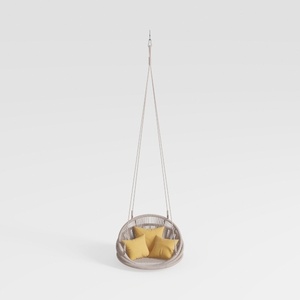

KOUBOO Hanging Rattan Swing Chair with Seat Cushio
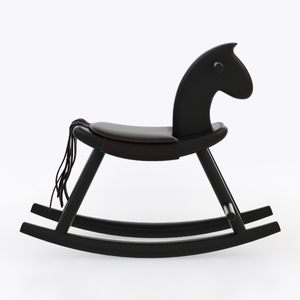

TAPIVA Desk Computer Desks Office Desk Marble Tabl
Looking to redesign your space? Homestyler is your ultimate home design companion! With its user-friendly online design tool, impressive 3D renderings, inspiring design projects, and helpful video tutorials, transforming your vision into reality has never been easier. Dive into creativity today!
Progetta ora GRATIS
































