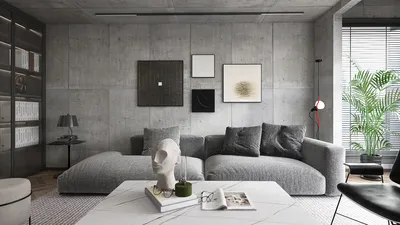


In the past, I mistakenly ordered what I believed to be a compact couch for a client's game room, only to discover that it literally filled up the entire doorway upon arrival. We shared a good laugh as we took it apart, learning a valuable lesson: working with small spaces often leads to the most ingenious design solutions. When faced with selecting a couch for limited game room layouts, employing creative thinking is more advantageous than simply opting for a larger piece. I frequently utilize 3D floor visualizations with tools like Homestyler to whip up quick designs and prevent any doorway mishaps.
Space-Saving Loveseat with Hidden Storage
I have a particular fondness for slim loveseats that cleverly conceal storage beneath the seat—perfect for stashing away controllers, cables, and spare accessories. This not only maintains clean sightlines but also provides a magical solution for messy gaming items in tight areas. Do keep in mind that many storage options come with slightly firmer cushions, so if comfort is a priority for you, consider budgeting for enhanced foam materials.
save pin
Modular Sectional That Adapts to Game Nights
When clients seek versatility, my go-to choice is modular pieces: begin with a snug two-seater, then enhance it with a chaise or pouf for larger gatherings. These pieces are effortlessly reconfigurable for competitions or movie nights, avoiding the common pitfall of a ‘too-large permanent couch’. To visualize how each piece will fit, I often sketch out compact seating arrangements early in the planning process to ensure nothing obstructs movement or sightlines.
save pin
Bench-Style Couch with Console Nook
In one project, I designed a low bench-couch positioned against the wall, complete with a recessed nook for the console and a vertical cable channel—resulting in a clean, modern aesthetic while maximizing space. Benches contribute to a more open feel, as they do not disrupt sightlines; however, they tend to provide less cushioning. To enhance comfort, layering a dense foam pad and removable covers is advisable, which can be a straightforward DIY upgrade if you're somewhat handy.
save pin
Convertible Sofa Bed for Additional Guests
If your game room also serves as an occasional guest accommodation, a sleek convertible sofa bed is an excellent choice—compact yet highly functional. Several contemporary designs feature mechanisms that slide out seamlessly without a full mattress, ensuring comfortable seating while still providing a place to sleep. Just keep in mind that better mechanisms come at a higher cost, so include this in your budget planning for durability.
save pin
Low Profile Couch with Attached Side Table
Low-profile couches effectively minimize visual bulk and are beautifully complemented by a floating side table, which clamps onto the frame—ideal for holding controllers and drinks while reducing floor clutter. This design helps keep pathways clear, especially crucial when friends are navigating around during thrilling matches. Prior to finalizing any layout, I prefer to create realistic room mockups to assess sightlines and circulation, particularly important in narrow spaces.
save pin
Frequently Asked Questions
1. What is the ideal width for a small couch in a game room?
I typically suggest a width of 48–60 inches for a small couch to comfortably accommodate two seated individuals without overwhelming the space. It's wise to measure doorways and planned sightlines before making a purchase to steer clear of any unpleasant surprises.
2. How can I keep cables and consoles organized around a small couch?
Consider designing a dedicated cable channel or a recessed console nook located behind or next to the couch. Slim media cabinets or removable panels work effectively, simplifying cleaning routines.
3. Are modular couches suitable for heavy usage?
Absolutely, high-quality modular systems are constructed for frequent reconfiguration. However, investing in superior connectors and fabrics ensures better durability. If this area is your main hangout, plan to invest in tough, stain-resistant materials.
4. Is it possible to fit a sofa bed in a very small game room?
Many modern sofa beds are designed specifically for compact areas—look for models featuring thin yet supportive mattress layers and smooth pull-out mechanisms. Always test the operation in-store or with a detailed digital layout before buying.
5. What seating depth is optimal for gaming comfort?
For gamers who often lean forward, a seat depth of 20–22 inches is usually comfortable; however, deeper seats ranging from 24–26 inches work better for lounging. Architectural Digest suggests testing seat depth to align with your play style.
6. How should I choose fabric for a gaming couch?
Select performance fabrics or specially treated weaves that resist stains and wear. Microfiber and certain treated polyesters are convenient for cleaning; however, leather or faux leather can be wiped down quickly, though they might feel warm during extended sessions.
7. Should aesthetics or ergonomics take precedence?
I always advocate for a balance: a couch should support good posture during lengthy gaming sessions while complementing the overall room design. If a choice must be made, prioritize ergonomics—uncomfortable seating can ruin the gaming experience much faster than a mismatched color scheme.
8. Where can I digitally plan and test small couch layouts?
Utilizing a 3D floor planner or rendering tool like Homestyler allows you to effectively test scale, sightlines, and traffic flow without the hassle of moving heavy furniture. Visual mockups can ultimately save you both time and money by identifying layout issues in the early stages of planning.
save pin
Homestyler is an exceptional online home design platform for anyone looking to transform their space. With a user-friendly design tool, stunning 3D renderings, diverse design projects, and helpful video tutorials, you can effortlessly bring your interior design visions to life. Start creating today!
Zaprojektuj teraz za darmo
































