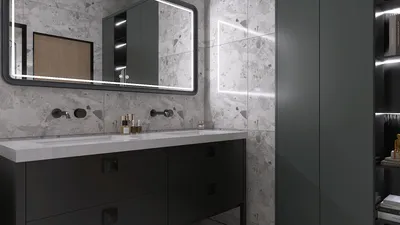


I once had a customer who was determined that their detergent dispenser should resemble a vintage cookie jar. After much deliberation, we realized that practicality often outweighs nostalgia in compact laundry spaces, though a touch of whimsy can certainly enhance the aesthetic. For that snug corner, I created a concealed dispenser that was labeled for easy use, making the chore of loading the washer feel unexpectedly luxurious. If you are trying to maximize your space while maintaining high standards, this article is tailored for you, featuring a straightforward plan for a space-efficient dispenser cabinet that I frequently sketch out first.
1. Pull-out dispenser drawer beneath the countertop
I prefer utilizing a pull-out drawer as it keeps laundry supplies like powders, pods, and softeners organized and hidden from sight. This method is cost-effective to install in a base cabinet, easy to secure for child safety, and makes refilling a breeze; however, it requires around 12–18" of depth and a smooth sliding mechanism to prevent any jams.
save pin
2. Wall-mounted modular bottles with labels
For those who rent or have limited floor space in their laundry closet, wall-mounted refillable bottles are invaluable. These bottles are lightweight, simple to replace, and you can label them based on laundry types; just be mindful of possible leaks and consider placing them over a small drip tray or washable mat to safeguard your flooring.
save pin
3. Recessed niche with dosing cups
Integrating a recessed niche into the wall creates a built-in appearance while avoiding protruding hardware, making it ideal for a minimalist design. I’ve designed shallow niches that accommodate stacked dosing cups for detergent and stain remover; maintenance is minimal, but cutting into a load-bearing wall or routing plumbing nearby could elevate costs, so it’s wise to plan ahead and seek structural advice when required. For precision in measuring the inset and clearances, I sometimes draft a layout in a built-in recessed dispenser model to ensure optimal sightlines and accessibility.
save pin
4. Over-the-dryer dispenser tower
Placing a slim tower above the dryer is my preferred choice in apartments: envision vertical bins or slide-out trays for pods and dryer sheets. This design maximizes otherwise unused vertical space and ensures everything is within arm's reach, though the top shelf may present challenges for shorter individuals unless a step stool is provided or the height is adjusted.
save pin
5. Hidden pull-down dispenser with integrated folding shelf
One of my favorite techniques for compact laundry closets is incorporating a hidden pull-down dispenser that lowers to counter height when needed and retracts when not in use. Pairing this with a folding shelf for sorting tasks creates a multifunctional work area; while this may be slightly more expensive due to the hardware, the enhanced usability is substantial — and it’s beneficial when I draft the overall laundry room layout to scale prior to commencing carpentry projects.
save pin
FAQ
1. What types of dispensers are most effective in compact laundry rooms?
I suggest using pull-out drawers, wall-mounted bottles, or recessed niches. These options maintain a small footprint while keeping supplies neat and accessible.
2. Can I install a recessed dispenser on my own?
If the wall isn't load-bearing and you're comfortable with basic drywall and shelving installation, you can create a shallow niche yourself; otherwise, it’s advisable to hire a professional to avoid any plumbing or electrical complications. Always measure accurately before cutting and use a stud finder to ensure safety.
3. Are refillable dispensers hygienic?
Yes, provided you clean them regularly and label refill dates; opaque containers can conceal residues, so it’s best to opt for wide-mouth bottles for easy cleaning. A quick rinse every 2–3 refills is recommended to avert buildup.
4. What budget should I anticipate?
Basic pull-out drawers can cost under $150 in materials for a DIY project, whereas custom recessed niches or automated pull-down designs can run several hundred dollars. I often recommend a phased approach to manage costs while preserving design integrity.
5. Which detergents are most suitable for dispensers?
Low-viscosity liquid detergents and pods are compatible with dispensers; thicker gels may clog small spouts. It’s prudent to test a small quantity before fully committing to a refill system.
6. Will a dispenser impact washer performance?
Not if you measure correctly; over-dosing can result in residues on clothing and the machine. Resources like ENERGY STAR and the EPA suggest adhering to manufacturer dosing instructions to optimize both cleaning efficiency and resource management (EPA ENERGY STAR, https://www.energystar.gov/).
7. How can I make the dispenser area safe for children?
Consider employing child-lock slides, high-mounted modules, or magnetic catches for doors. Creating a small, labeled cabinet solely for cleaning supplies can help minimize unintended access.
8. Can these dispenser ideas be applied to multi-use spaces such as kitchen nooks?
Definitely — many of these dispenser solutions adapt beautifully to kitchen-adjacent laundry spaces, given the appropriate waterproofing and ventilation. I frequently apply the same pull-out or recessed concepts across various rooms to maintain a cohesive look, making design seamless particularly with tools like Homestyler.
save pin
Homestyler is your go-to online home design platform! With its intuitive design tool, stunning 3D renderings, and a wealth of DIY video tutorials, you can effortlessly turn your decor dreams into reality. Start creating your perfect space today!
Дизайн сейчас бесплатно
































