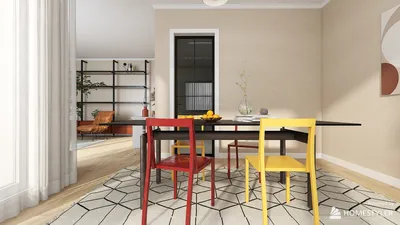


I once had a client who firmly believed that their ‘chef-worthy’ kitchen could be squeezed into a closet-sized alcove. I jokingly thought about suggesting a suitcase stove. This near-miss prompted me to rethink every inch of space and compile a collection of space-saving strategies that I still use today, including some innovative tricks I evaluated firsthand. Small spaces compel you to be smarter with design, rather than spending excessively.
1. Galley with a Twist
Galley kitchens maintain their popularity for good reason: they create a highly efficient work triangle. I transformed a narrow galley by incorporating alternating open shelving and shallow drawers to alleviate that claustrophobic tunnel sensation; the benefit is an excellent workflow, but choosing the wrong finishes can make it feel cramped.
2. L-shaped Open Kitchen
For apartments that strive for a seamless living-dining flow, an L-shape enhances sightlines while keeping prep areas connected. I frequently trade in deep upper cabinets for a slender pantry corner and additional counter space; this arrangement is more inviting for guests, but corners require smart accessories to maximize storage options effectively.
save pin
3. Single-Wall with a Mobile Island
When width is limited, a single-wall layout accompanied by a rolling island is my preferred solution. The island not only increases preparation space but also serves as a dining area when hosting. Plus, it can be easily wheeled away to open up pathways. To visualize compact layouts effectively, using a quick 3D mockup with tools like Homestyler can help determine the right island size before you commit to any cabinetry.
save pin
4. Compact U-Shape
A compact U-shape provides three functional walls within a small footprint, making it exceptional for storage and zoning. I implemented shallow base drawers to ensure a more generous walkway; it resembles a mini command center, though careful planning is necessary for door swings and fridge placement.
save pin
5. Nook Conversion with Built-ins
Transforming an awkward alcove into a built-in kitchen nook can create a custom look while conserving circulation space. I particularly appreciate using integrated appliances and under-bench drawers here; the challenge lies in appliance sizing and ventilation. However, with thoughtful zoning, this design can feel boutique rather than cramped. Pairing zoning with advanced tech for workflow, like smart kitchen zoning, is a great idea.
save pin
FAQ
Q: What is the ideal layout for a small kitchen?
A: There's no universal solution — galley layouts excel in narrow spaces, L-shapes suit open living areas, and a single-wall setup with a movable island works brilliantly in very tight quarters. Your choice should depend on your room's shape and personal routine.
Q: How much clearance is necessary in a small kitchen?
A: Aim for at least 36 inches (about 91 cm) for a single-cook aisle and 42–48 inches (107–122 cm) when two cooks are working across from each other. These guidelines help strike a balance between comfort and storage.
Q: What storage solutions are optimal for tiny kitchens?
A: Think vertically: utilize tall pull-out pantries, shallow upper cabinets, deep drawers, and toe-kick drawers. Open shelving for frequently accessed items can significantly cut down cabinet clutter.
Q: Are integrated appliances worth the investment in a small kitchen?
A: Absolutely — integrated or compact appliances save visual space and blend seamlessly into custom cabinetry. Although they may come at a higher price, they dramatically enhance the perception of spaciousness.
Q: How should I illuminate a small kitchen effectively?
A: Layering lighting is key: include task lighting under cabinets, ambient ceiling fixtures, and a small statement pendant over a prep island or breakfast bar. Quality lighting can sometimes make a small space feel larger than a fresh coat of paint.
Q: Can I cook safely in a very small kitchen regarding ventilation?
A: Proper ventilation is crucial; ensure you install an extractor hood that matches your cooktop size, or consider a ductless high-CFM unit if ducting is not feasible. According to the National Kitchen & Bath Association (NKBA), proper ventilation improves indoor air quality and mitigates moisture issues (check nkba.org for more guidance).
Q: What budget-friendly tips do you have for a small kitchen remodel?
A: Refacing or repainting existing cabinets, adding open shelving, and opting for durable laminate counters if stone is beyond your budget are all excellent options. Invest in quality hardware and a good sink or faucet—these details elevate a small space without emptying your wallet.
Q: How do I maximize the work triangle in a compact layout?
A: Maintain the sink, stove, and fridge in a compact, unobstructed loop with minimal crossing paths; in small kitchens, the work triangle functions more as a ‘work zone’ rather than a strict geometric formation. Measure and use tape on the floor to visualize the layout before committing to cabinetry.
save pin
Discover your creativity with Homestyler! This user-friendly online home design platform offers an intuitive design tool, stunning 3D renderings, and a wealth of inspiring design projects and video tutorials. Bring your home ideas to life effortlessly and transform your space today!
Concevez maintenant gratuitement
































