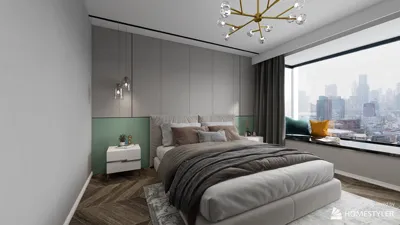


I once had a client who envisioned a multifunctional bed that could transform into a pirate ship, a homework desk, and a secret closet—complete with blue LED lights that would make or break the design. This unique request became one of my most cherished makeovers for small rooms and taught me that limited spaces catalyze innovative solutions. If you are struggling to create a cozy kids’ room, the key lies in smart layering: combining sleep, storage, and play into one efficient layout. To visualize these space-efficient concepts, I often use Homestyler to create quick sketches of layouts that account for sightlines and traffic flow before making any purchases.
1. Bunk and Loft Hybrids
I am a huge fan of bunk and loft hybrids as they optimize vertical space. You might position a lower bed for toddlers with a loft bed above for older kids, or carve out a study/play area underneath the top bunk. The benefit is clear: you can maximize sleeping capacity without taking up extra floor space. However, it's important to think about headroom, the accessibility of ladders, and the importance of guardrails. Budget-wise, choose a simple solid frame initially and consider adding custom features later.
2. Trundles and Pull-Outs
Trundle beds shine in small spaces; they typically resemble a standard bed during the week but can be pulled out for sleepovers. They are a gentler option for wall surfaces and pillows compared to a mattress laid directly on the floor, making cleaning a breeze. However, a slight drawback is that trundles occupy under-bed storage space, so pairing them with wall-mounted storage or tall shelves is advisable.
3. Loft Bed with Play/Study Nook
In tight spaces, I elevate the bed to create a cozy study or reading nook below. This compact, enchanting area appeals to children and provides parents with a solution for organization. I often utilize Homestyler to visualize how a desk, bookshelf, and play area can be designed to fit harmoniously; just remember to ensure that there's proper ventilation and light by leaving at least one side open.
4. Fold-Down Beds and Sofa-Beds
Murphy beds and sofa-beds are more suitable for older kids than for toddlers, as many contemporary designs fold neatly into cabinetry or resemble built-in seating. They free up floor space during the day for play or socializing, and bedding can be stashed away quickly. However, consider the costs of the mechanisms and the strength of your walls, making sure to plan for robust mounting and nearby bedding storage.
5. Built-In Bench-Bed with Storage
I once transformed a slim space into a bench-bed that spanned one wall, complete with drawers below and shelves above, creating a snug yet customized look. This method combines seating, sleeping, and ample storage along a single wall—a fantastic solution for narrow rooms. When plotting this out, I recommend using a free planner like Homestyler to experiment with drawer sizes and flow; flexible storage options are critical to maintaining comfort. Keep in mind that built-ins are more permanent, so consider resale value or potential future modifications carefully.
Tips 1:
Initiate the design process with a straightforward sketch that includes the door swing, windows, and closet. Always remember to measure thoroughly before purchasing, and prioritize safety with guardrails, ladder angles, and secure fixings. A neutral foundation paired with playful textiles will keep the room looking fresh as children grow.
FAQ
Q1: What is the best bed type for a small children’s room?
A bunk or loft hybrid usually provides an excellent balance of sleeping arrangements and floor space, while trundles are a fantastic option for accommodating guests. Take into account the child’s age, safety requirements, and the need for play space.
Q2: Are loft beds safe for young children?
Typically, loft beds are better suited for older children (usually ages six and up), as younger kids might be at risk of falling. Ensure robust guardrails, a steady ladder, and enough ceiling height.
Q3: How much headroom is recommended above a raised bed?
You should allow at least 75-90 cm (30-36 inches) of space between the top of the mattress and the ceiling to ensure comfort and proper ventilation, more if your child enjoys sitting up to read.
Q4: Can I include storage options with a trundle bed?
Absolutely—opt for trundles that feature built-in drawers or augment with shallow wall storage and overhead shelves to make up for the under-bed space you’ve lost. It's advisable to keep heavier items lower to maintain stability.
Q5: Is a Murphy bed practical in a child’s room?
Murphy beds are suitable for older children and multipurpose areas, as they help free up floor space throughout the day; however, they tend to be pricier and require secure wall mountings.
Q6: How can I child-proof a loft or bunk bed?
Incorporate sturdy guardrails on all exposed sides, secure the ladder, anchor the unit if not built-in, and avoid clutter and toys on the top bunk. Regular checks on fastenings are essential for safety.
Q7: Where can I find design ideas and layouts for small kids’ bedrooms?
Many online design platforms, such as Homestyler, offer visual mockups and layout case studies, while local carpenters can adapt designs to suit your specific measurements. Utilizing these tools can help prevent unexpected surprises down the line.
Q8: Are there official safety guidelines for bunk beds?
Yes, the U.S. Consumer Product Safety Commission (CPSC) releases safety recommendations regarding bunk beds and associated products—it's advisable to consult their guidelines at https://www.cpsc.gov to understand guardrail requirements, spacing, and labeling rules.
Discover the magic of home design with Homestyler! This user-friendly online platform offers a comprehensive design tool, stunning 3D renderings, inspiring design projects, and helpful DIY video tutorials. Whether you're a novice or an expert, Homestyler makes transforming your space a breeze!
지금 무료로 디자인하세요
































