

There was a time when a client wanted their treadmill tucked away beneath the bed to prevent guests from seeing it—but it became quite impractical to run with someone’s foot in your face! This little hiccup reinforced my belief that limited spaces spark creativity rather than compromise. If you're looking to design a layout that incorporates a workout area in a studio, this guide is tailored for you.
1. Foldable Treadmill or Under-Desk Treadmill
Foldable treadmills are fantastic since they provide authentic cardio workouts without monopolizing too much floor space. These are ideal for apartments where living rooms function as gyms. However, it's essential to consider things like noise level and storage compatibility—select models designed with shock absorption and easy storage features.
Budget tip: focus on a quiet motor rather than flashy top speeds; you'll likely use it more if it's unobtrusive to your neighbors.
save pin
2. Adjustable Dumbbells and Plate Sets
Adjustable dumbbells are a true asset in small spaces—they fit right in a closet! These multifunctional weights can replace multiple sets and keep your area clutter-free, although pricier versions may require a more significant initial investment. I've witnessed clients achieving substantial strength improvements using just these and a compact bench.
Practical note: invest in a mat to protect your floors and minimize noise during workouts.
save pin
3. Resistance Bands and Suspension Trainers
For compact living areas, resistance bands and suspension straps are my top recommendation as they can easily fit into a drawer while allowing for comprehensive full-body workouts. I frequently combine them with wall anchors or door attachments. The key here is to maintain consistent tension, but mastering band progression can make your workout regimen remarkably adaptable.
Pro tip from a remodel: install a discreet anchor point behind a closet door to store your suspension trainer out of sight when not needed. Alternatively, utilize an app like Homestyler to draft a quick 3D layout of anchor placements to ensure they won't interfere with wiring or studs, making visualization simple and effective.
save pin
4. Compact Cardio Machines (Rowers, Air Bikes)
Compact cardio machines such as rowers and air bikes can provide vigorous full-body workouts while taking up minimal space. They can often be stored vertically, although they can be trickier to conceal than bands. My clients particularly enjoy air bikes for high-intensity workouts; just be cautious about noise and protecting your floors.
A minor drawback: some models can be cumbersome to move, so it's wise to create a dedicated space or consider options with wheels for easier mobility.
save pin
5. Multi-Functional Furniture & Murphy-Style Gear
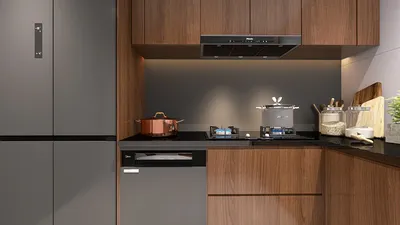
Furniture that doubles as gym storage or folds away into a bench is where fitness in small spaces becomes uniquely interesting. I once designed a studio where the dining table transformed into a barre; while it was an investment, it quickly became the homeowner’s treasured feature. When exploring kitchen layouts alongside other areas, consider multi-use items that can discreetly hide your equipment when guests are over.
Real talk: while these solutions may require additional planning and craftsmanship, they truly enhance everyday convenience.
save pin
FAQ
Q1: What is the optimal exercise equipment for a studio apartment?
Typically, adjustable dumbbells, resistance bands, and a compact cardio option like a foldable treadmill or air bike rank as the most adaptable choices. It's important to prioritize quiet operation and easy storage when making your selection.
Q2: How much space do I require for a fundamental home workout area?
For a functional setup, an area measuring approximately 6 by 4 feet accommodates most bodyweight exercises with adjustable dumbbells. Cardio machines may necessitate a larger space when in operation. Using a mat can help define this area and protect your floors.
Q3: Are foldable treadmills a worthwhile investment for compact spaces?
Absolutely, if you’re invested in regular cardio and have the capacity to store them when not in use. Make sure to check for both noise ratings and the stability of the folding mechanism; lighter models might compromise durability.
Q4: Can resistance bands serve as a replacement for weights?
For many users, bands can deliver comparable strength improvements when used progressively. They're particularly effective for rehabilitation and enhancing mobility.
Q5: How can I minimize noise from gym equipment in an apartment?
Utilize dense rubber mats, opt for belt-driven or magnetic resistance machines, and avoid high-impact exercises near shared walls. Incorporating soft flooring and isolation pads can significantly reduce noise.
Q6: What budget should I allocate for a compact home gym setup?
A basic minimalist setup can start at under $200, incorporating bands and a pair of dumbbell plates, while a more robust mid-range configuration featuring adjustable dumbbells and a compact cardio machine may range from $700 to $1,500. Custom multi-functional furniture will increase overall costs but offer added long-term value.
Q7: How can I effectively plan equipment placement to avoid conflicts with home layout?
Be sure to measure thoroughly and visualize the available space—create mock-ups of dimensions either on paper or through a digital layout. If you require visual support, professional tools can help you accurately map out your space (explore room planning tools for additional inspiration).
Q8: How much exercise is recommended each week for health benefits?
According to the CDC, it's advisable to engage in at least 150 minutes of moderate-intensity or 75 minutes of vigorous-intensity aerobic activity weekly, in addition to muscle-strengthening activities on two or more days (CDC: https://www.cdc.gov/physicalactivity/basics/index.htm). This guideline assists in determining how much equipment you’ll feasibly utilize.
save pin
Discover Homestyler, the ultimate online home design platform! With its user-friendly design tool, stunning 3D renderings, and a wealth of DIY video tutorials, you can effortlessly create, visualize, and bring your interior design dreams to life. Transform your space today!
تصميم الآن مجانا
































