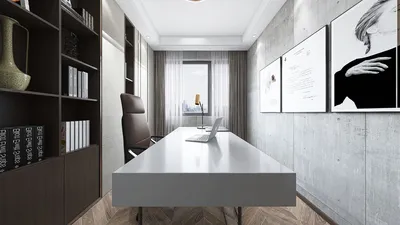


Once, I attempted to fit a treadmill inside a closet at a client's request, who wanted to incorporate cardio into their space without having it in sight. This experience, filled with unexpected complications, taught me a valuable lesson: optimizing small spaces requires clever equipment choices and even smarter organization. Using a robust room planner like Homestyler can significantly simplify this process.
1. Compact Cardio Solutions: Foldable Treadmills and Ellipticals
For clients seeking cardio options that leave no permanent footprint, I recommend foldable treadmills or under-desk ellipticals. While these devices can be easily stored away, it's important to select models that have excellent reviews and a sturdy build to ensure durability.
save pin
2. All-in-One Adjustable Dumbbells
I'm a fan of adjustable dumbbells in compact studios — a single pair can replace an entire rack. Although they might cost more initially, they save both space and money; I often persuade budget-conscious clients to invest in mid-range sets that are both sturdy and long-lasting.
save pin
3. Versatile Exercise Solutions: Resistance Bands and Suspension Trainers
Lightweight, packable resistance bands and suspension trainers offer incredible versatility, making them ideal for rental apartments. You can easily anchor a suspension trainer to a door or beam for effective full-body workouts, but be sure to check anchor points and weight limits, along with protecting the walls.
When assisting clients in layout planning, I frequently suggest visualizing the equipment placement using a 3D floor planner, like Homestyler, to consider sight lines and traffic flow before committing to any bulky purchases.
save pin
4. Space-Efficient Compact Multi-Gyms
A foldable multi-gym or one that attaches to the wall can provide extensive workout options within a small footprint. While these are fantastic for strength training in confined spaces, installations can be tricky and may require professional assistance to ensure secure anchoring.
save pin
5. Smart Mirrors, Wall Storage Solutions, and Roll-up Mats
Smart fitness mirrors serve dual purposes as decorative elements and workout guides, while wall-mounted racks and hooks can keep equipment organized and off the floor. I advocate for a roll-up mat and vertical storage options to maximize floor space — using a free floor plan creator like Homestyler can help verify dimensions prior to making any permanent changes.
save pin
FAQ
Q1: What is the best equipment choice for a small studio apartment?
My top recommendations include adjustable dumbbells, resistance bands, and a foldable cardio machine. These options provide a great variety of workouts without overwhelming your space.
Q2: How should I budget for compact home gym equipment?
Be prepared to invest more upfront in space-saving multi-tools like adjustable dumbbells, but you'll enjoy savings on gym memberships in the long run. A flexible budget of $150 to $800 is reasonable, depending on quality and specific requirements.
Q3: Can renters safely install wall-mounted equipment?
Yes, as long as you verify stud locations and weight capacity. If unsure, it's wise to hire a professional. Also, remember to check with your landlord for permission on structural installations.
Q4: Are resistance bands truly effective?
Absolutely! They provide scalable resistance with minimal impact on joints, making them ideal for strength training and rehabilitation. I often include them in routines alongside bodyweight exercises for balanced workouts.
Q5: How can I effectively plan the layout of equipment in a small room?
Start with a basic floor sketch to outline clearances, then test possible layouts with lightweight items. Utilizing a floor planner like Homestyler can help visualize the setup and avoid costly errors.
Q6: What safety precautions should I consider?
Maintain a clearance of 2-3 feet around all machines, ensure anchors are properly secured, and periodically inspect equipment for signs of wear. Additionally, wearing appropriate footwear and warming up can minimize the risk of injury.
Q7: How much exercise do adults require on a weekly basis?
The World Health Organization suggests that adults engage in at least 150 to 300 minutes of moderate-intensity aerobic activity each week (source: WHO). Even short home workouts can accumulate to meet these recommendations.
Q8: Can smart mirrors effectively replace a personal trainer?
These mirrors are excellent for form corrections and offering a variety of classes, but they cannot entirely substitute for tailored training from a certified professional. The best approach might be to combine both for optimal results.
save pin
Discover Homestyler, the ultimate online home design platform! With its user-friendly design tool, stunning 3D renderings, and a treasure trove of design projects and DIY video tutorials, transforming your space has never been easier or more inspiring. Start creating your dream home today!
Design Now for FREE
































