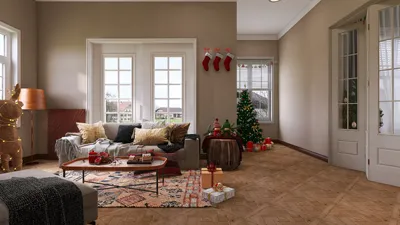


I once attempted to maneuver a queen sofa through a 28-inch doorway because a client was convinced it was ‘the one’ — needless to say, it wasn’t, and I learned painfully that measurement errors can effortlessly turn an enjoyable project into acrobatics. That experience led me to contemplate the significant impact that the right furniture, particularly space-saving options, can have on the atmosphere of a compact home, all without the need for strenuous efforts or a moving van.
1. Multi-functional sofas and chairs
I have a particular fondness for furniture pieces that serve multiple purposes: a sofa that converts into a guest bed, or an armchair that includes a side table and storage. Such items minimize space consumption and ensure the living room appears intentional rather than chaotic. The trade-offs typically involve higher costs and increased weight — incorporating mechanisms can elevate the price and bulk — but for those with frequent visitors or in tiny apartments, the benefits are substantial.
2. Emphasize vertical solutions: storage and wall systems
When every inch of floor space is vital, I always look upward. Tall cabinets, wall-mounted shelves, and pegboards can clear the ground and add visual height. These can be either DIY projects or custom creations; a challenge is to avoid an overly heavy appearance, so I balance high storage with lighter elements and open shelving to maintain an airy feel in the room.
3. Built-in seating with concealed storage
Banquettes, window seats, and elevated platforms with drawers are my preferred choices for kitchens and multifunctional spaces. Clients appreciate the added storage hidden beneath cushions and the cozy, stable vibe these elements provide. If you wish to experiment with layouts before finalizing decisions, visualize compact arrangements using a scale plan — this prevents errors and allows you to see how seating integrates into movement patterns.
4. Foldable and collapsible furniture
Murphy desks, drop-leaf tables, and fold-flat dining sets are essential for renters and small apartments. They enable one room to fulfill various roles — dining, working, or exercising — while maintaining minimal visual clutter. Potential drawbacks can include issues with durability and comfort; investing in robust hinges and testing the functionality before purchasing is wise to ensure that the folding mechanism operates smoothly.
5. Correct scale, color, and modular designs
In compact spaces, it’s crucial to select furniture that aligns with the scale: low-profile sofas, slender armchairs, and narrow dining tables. I pair these with light, harmonious colors and modular items that can be rearranged. For kitchen areas, consider workflows and movement paths. When redesigning the core of the home, utilizing a kitchen layout planner like Homestyler allows you to balance storage, prep zones, and movement effectively, avoiding guesswork.
Overall, I advise focusing on one or two significant changes — clever storage solutions and a versatile seating layout — while layering in smaller, mood-enhancing décor. I’ve witnessed clients maximize limited budgets through intelligent selections rather than pricey enhancements.
FAQ
Q1: What furniture should I prioritize for a small living room?
I typically begin with seating that suits your everyday needs — a sofa or daybed that fits the room — and then incorporate multifunctional additions like an ottoman with hidden storage. Always measure twice and think about how items expand or unfold.
Q2: Are modular sofas a good investment for small apartments?
Absolutely — modular sofas can adapt to different layouts, which is advantageous if you frequently move or change configurations. While they might have a higher initial cost, they provide flexibility in the long run and make it easier to navigate through narrow doorways.
Q3: How can I make a rental feel unique without permanent alterations?
Consider utilizing freestanding storage solutions, peel-and-stick options, and fabrics to create distinct zones. Lightweight wall systems and tall shelving can make a statement without the need for drilling.
Q4: Should I choose compact furniture or multifunctional pieces?
Both strategies are effective; compact furniture maintains small scale, whereas multifunctional designs enhance usage. If you have to choose one, multifunctionality tends to offer the most significant value in tiny homes.
Q5: How do I prevent a small space from appearing cluttered?
Limit the number of items on surfaces, utilize closed storage for miscellaneous belongings, and uphold a consistent color scheme. Regularly reevaluate what you keep; small areas can quickly become overwhelmed by clutter.
Q6: What materials are ideal for durable small-space furniture?
Opt for solid hardwood frames or steel bases alongside reliable mechanisms for folding or pull-out options. Fabrics that are removable and washable facilitate upkeep and extend longevity.
Q7: Are there reliable sources for finding small-space furniture ideas?
I often suggest exploring Homestyler for small-space tips and strategic planning guides to discover practical, budget-conscious solutions and measurements.
Q8: How should I plan furniture placement before making purchases?
Measure entry points and traffic pathways, then utilize a basic scale drawing or a planning app to arrange items and check clearances. This approach minimizes returns and ensures smooth navigation throughout the space.
Homestyler is your go-to online home design platform, offering a user-friendly design tool, stunning 3D renderings, and inspiring design projects. Plus, with a wealth of DIY video tutorials, you'll have everything you need to create your dream space effortlessly!
Progetta ora GRATIS
































