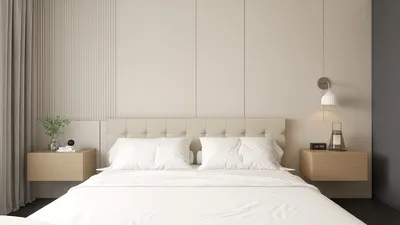


I once attempted to fit a six-drawer antique dresser into a compact 120 sq ft studio, largely due to the client's love for its stunning charred-wood finish. While it looked impressive, it also loomed like a brick wall, dominating the space—definitely a lesson learned. This project motivated me to seek out smarter designs and ignited my passion for space-efficient dressers that, despite being prefabricated, can seem custom-made.
Living in small spaces necessitates innovative choices: fewer furnishings, clever shapes, and multifunctional pieces that provide more than their size suggests. Here, I'll share five dresser design inspirations I've implemented in real projects, complete with quick tips, budget considerations, and small warnings to help you avoid my earlier antique fiasco.
Narrow vertical dressers
When floor space is limited, consider going vertical. Slim, tall dressers can take advantage of the room's height while freeing up walking areas. I typically recommend units that are 12–16" deep for cramped bedrooms. The benefit? Ample storage for socks and knitwear; however, ensure you prioritize stability—anchoring these units is essential.
save pin
Dressers that double as nightstands
I appreciate pairing low, wide dressers with bedside lamps to create a cohesive wall unit. This design deceptively opens up the space and offers a surface for decorative trays or lamps. Keep in mind, though, that the drawers may be shallower, so plan wisely for what you'll store inside.
save pin
Convertible dresser solutions
Modular designs that adapt—a dresser with a pull-out desk or foldable top—transformed one snug guest room into a practical home office during the day. These solutions are excellent for multifunction spaces, but they require robust hardware and thoughtful design planning. Sketching layouts first can help you avoid blocking doors or windows when the piece is in use; tools like a floor plan creator can be invaluable for testing swing and clearance of these convertible solutions.
save pin
Built-in and recessed dressers
Whenever possible, I integrate dressers into alcoves or beneath stairs—built-ins create cleaner sightlines and give a custom feel. This approach maximizes every inch of space but often comes at a higher cost than standalone units and requires precise measurements. For rental spaces, look for shallow, wall-compatible options and consider adding trim to achieve a built-in appearance.
save pin
Multi-use storage: dressers as room dividers
In studios, I sometimes position low dressers perpendicular to a wall to delineate sleeping and living areas; the top acts as a display shelf while drawers conceal clutter. This clever arrangement not only offers privacy but also storage, though it’s vital to think about the finish on both sides to avoid an unfinished appearance. In mixed-use environments, ensure both sides have access and balance weight distribution to prevent tipping—consider an open shelving aspect above and closed drawers below for added stability.
Selecting dressers for small spaces boils down to making smart choices: choose the right depth, commit to anchoring them securely, and select finishes that can enhance light reflection. I've successfully transformed cramped rooms into serene, functional areas countless times, and often, the right dresser is the unsung hero of the space. Utilizing tools like Homestyler can further assist in visualizing your layout before committing to your design.
save pin
FAQ
Q1: What dresser depth is best for small bedrooms?
A: Aim for 12–16 inches of depth in narrow rooms; this helps maintain clear walkways while still providing functional storage for folded garments and linens.
Q2: How do I prevent a tall dresser from tipping?
A: Always secure tall furniture to studs or use manufacturer's wall straps. The U.S. Consumer Product Safety Commission emphasizes the importance of anchoring furniture to mitigate tip-over risks (CPSC.gov).
Q3: Are custom built-ins worth the cost?
A: Built-ins optimize footprint efficiency and offer a polished look, but they can be pricier and permanent. If looking for a budget-friendly option, consider faux built-ins using trim.
Q4: What materials work best for small-space dressers?
A: Lighter finishes and reflective veneers visually expand a room; solid wood is the most durable option, while engineered woods provide cost-effective alternatives that will last if well-finished.
Q5: Can a dresser double as a media console?
A: Absolutely—a low, wide dresser can conceal AV equipment and cables; just ensure there's enough ventilation for electronics and pre-plan openings for wires.
Q6: How should I measure before buying a dresser?
A: Measure your doorways, elevator clearances, and the wall space where the dresser will go. Sketch the layout in a top-down view while allowing clearance for both the drawers and any nearby furniture to prevent fitting issues.
Q7: Any tips for budget-friendly upgrades?
A: Painting, updating hardware, and adding trim can drastically change the look of thrifted dressers. Swap standard knobs for a more cohesive set and integrate felt drawer liners to enhance both style and functionality.
Q8: How do I choose between open shelving and drawers?
A: Drawers help to conceal clutter and are more suitable for clothing; open shelves can display items and create an airy atmosphere. A combination of both often yields the best of concealment and display.
save pin
Homestyler is your go-to online home design platform! With its user-friendly design tool, stunning 3D renderings, and a wealth of DIY video tutorials, you can effortlessly create and visualize your dream spaces. Start transforming your home today with inspiring design projects!
تصميم الآن مجانا
































