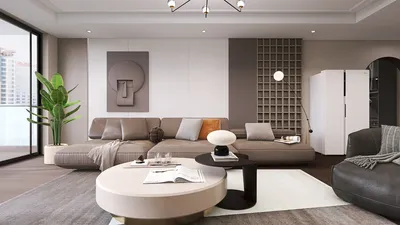


A fascinating request from a client once involved concealing a minibar behind a family portrait — essentially creating a concealed bar. This amusing but insightful experience highlighted two important lessons: smaller spaces ignite great creativity, and it's entirely possible to incorporate significant functionality within limited areas. If you're dealing with a compact dining environment, a space-efficient dining bar can serve as a communal hotspot without occupying much floor space.
1. Slim Wall-Mounted Bar with Folding Counter
I have a fondness for thin wall-mounted counters because they almost blend into the surroundings until guests arrive. This style fastens against the wall, can be unfolded for dining, and folds back up to maximize circulation — ideal for tight configurations. The advantages include affordability and a minimal footprint; however, the downside is limited prep area, and you'll require strong wall anchors for support.
2. Kitchen Window Pass-Through Bar
Transforming a kitchen pass-through into a bar enhances the natural flow between cooking and dining spaces. This setup is fantastic for serving, maintains a lively atmosphere while you cook, and pairs wonderfully with backless stools allowing easy movement. Anticipate some sound crossover, and pay careful attention to lighting to ensure both spaces feel harmonious.
save pin
3. Convertible Bench with Concealed Storage
A built-in bench with a hinged top provides seating along with hidden storage for bottles, placemats, or additional cushions. I implemented this feature in a 30-square-meter apartment — it not only boosted seating capacity but also addressed storage challenges. The downside is the potential cost of custom carpentry, and proper ventilation should be considered if you're storing glassware or beverages here.
save pin
4. Floating Shelf Corners Turned Mini-Bar
Utilizing corners that often go underused can be accomplished by installing staggered floating shelves along with a slender counter beneath. This setup generates a vertical bar space to hold glassware, bottles, and provides a small area for prep work. This solution is budget-friendly and visually appealing, but best suited for those not requiring extensive cocktail preparation stations.
save pin
5. Mirror-Backed Cart with Lighting
A mirrored surface behind a narrow bar cart not only enhances perceived space but also adds a touch of elegance. Position the cart beneath a wall sconce or use under-cabinet strip lighting for an adjustable bar that can be styled or tucked away. While mobility is advantageous, ensure the wheels have locks when entertaining. For a finishing touch, consider creating realistic 3D visualizations using tools like Homestyler to explore sightlines and finishes before making any design decisions.
If you're eager to explore various setups beforehand, sketching a simple space-saving layout can effectively illustrate how a bar impacts seating and movement flow.
save pin
Frequently Asked Questions
1. What is the ideal depth for a dining bar in a limited area?
A depth of 12 to 16 inches is suitable for a narrow bar primarily used for drinks, while an 18 to 24-inch depth is better for comfortable dining. Measure stool heights to ensure ample knee clearance.
2. What is the recommended height for a small dining bar?
Typically, bar height is around 42 inches for standing or tall stools, while counter height is approximately 36 inches for standard seating. Choose based on the stool type and your household’s comfort preferences.
3. Is it possible to place a bar near the primary walkway?
Absolutely, just ensure there is at least 36 inches of clear space to prevent congestion. Backless stools can help maintain an open flow.
4. What materials are most suitable for small bar surfaces?
Laminate or solid surfaces are budget-conscious and easy to maintain; hardwood or engineered stone give a premium feel but come at a higher cost. For tighter budgets, a veneered plywood top sealed with a durable finish offers a viable alternative.
5. How should I illuminate a tiny dining bar?
Lighting can be layered: a dedicated pendant or wall sconce combined with under-shelf LEDs will enhance the ambiance and serve functional lighting needs. Investing in dimmer switches can significantly enhance versatility.
6. Are there any guidelines for spacing seating?
Provide approximately 24 inches of horizontal space per person at the bar and allow 15 inches of seat depth for a comfortable perch. These small allowances help prevent guests from feeling cramped.
7. Will I require permits for plumbing or electrical installations in a bar?
Minor lighting modifications typically do not require permits; however, incorporating sinks or new electrical circuits might. Verify local regulations and consult a licensed contractor. For kitchen considerations, adhere to professional standards from organizations like the National Kitchen & Bath Association: https://www.nkba.org/.
8. How do I keep a small bar area well-maintained?
Maintain an efficient footprint: utilize trays or bins to organize items, promptly address spills, and rotate inventories to prevent dust accumulation. A minimalist approach to styling reduces clutter and streamlines cleaning.
save pin
Homestyler is your go-to online home design platform! With its user-friendly design tool, stunning 3D renderings, and a wealth of inspiring design projects and video tutorials, you can effortlessly create and visualize your dream spaces. Transform your home design journey today!
Diseño ahora GRATIS
































