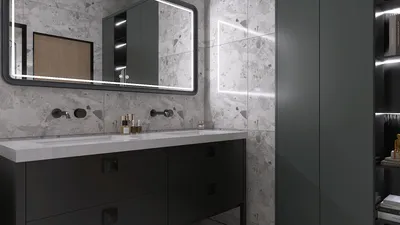


I have created and constructed space-saving children's furniture perfect for urban living spaces and recreational rooms where every inch is valuable. This comprehensive guide summarizes effective strategies: ensuring proportions are safe, utilizing lightweight materials, incorporating rounded edges, and employing clever joinery that withstands regular wear and tear. For ergonomic design, a child's seating should allow their feet to be flat on the floor with knees positioned around 90 degrees; typically, for 3 to 5-year-olds, a seating height of 10 to 12 inches along with a tabletop height of 18 to 20 inches is ideal. Research from Steelcase indicates that appropriately sized furniture is linked to improved posture and attention, while the WELL Building Standard promotes ergonomics suitable for children to lessen musculoskeletal stress (WELL v2).
Maximizing space is crucial. Insights from Herman Miller reveal that tidy, appropriately-sized surfaces enhance concentration and lessen cognitive load, principles that can also apply to play areas. The International WELL Building Institute emphasizes a minimum illumination of 300 lux for active spaces; for tasks like drawing or reading, 500 lux is preferable. Opt for soft yet vibrant colors: Verywell Mind suggests warm, vibrant shades such as coral and sunflower can enhance engagement, while soothing greens are ideal for minimizing overstimulation. My design philosophy balances both aspects—using warm elements on seating while maintaining calmer tones on tabletops to merge creativity with comfort. To efficiently experiment with layouts in smaller areas, utilizing a room layout tool like Homestyler can simplify the visualization of spacing and movement.
Design Goals for Small Spaces
My key priorities include compact designs, stackability, and modularity while ensuring stability. A table measuring 24 x 18 inches with rounded corners suits most nooks while allowing ample space for movement around it. Aim for at least 24 to 30 inches of clearance surrounding the set to enable adults to assist children without interference. Each chair should weigh under 6 pounds for easy mobility, fostering independence and encouraging tidiness habits.
Recommended Dimensions and Proportions
For children aged 3 to 5: ideal table height is 18 to 20 inches, chair seat height should be between 10 to 12 inches, seat depth at 10 to 11 inches, with the backrest top between 20 to 22 inches. For those aged 6 to 8, aim for table height of 20 to 22 inches, chair seat height at 12 to 14 inches, a seat depth of 11 to 12 inches, and backrest height between 24 to 26 inches. Maintain a comfortable seating ratio: seat width should be 11 to 12 inches for younger children; ensure at least 12 inches of space between the backs of two chairs when pushed under the table to avoid crowding. These dimensions align with the typical ergonomic standards for early childhood referenced in WELL v2 guidelines, supporting a neutral posture.
Materials: Lightweight, Durable, and Safe
My preference leans towards 18 mm birch plywood or solid rubberwood for the tabletop and 12 to 15 mm thickness for chairs. Both materials hold screws effectively and provide reliable surface durability. Round edges should have a radius of 1/4 inch to minimize the risk of injury. Choose low-VOC finishes; waterborne polyurethane or plant-based hardwax oils enhance indoor air quality and align with WELL standards regarding material safety. If finances are tight, high-pressure laminate on plywood can offer stain resistance and simplify clean-up during artistic activities.
Joinery and Stability
For the table design: use apron-and-leg construction with pocket screws and glue for a solid joint without visible fasteners. Cross dowels or threaded inserts facilitate disassembly, which is beneficial in small living spaces. For chairs: implement doweled joints or mortise-and-tenon methods at seat frames; add a rear stretcher to prevent racking. Maintain a subtle chair splay of 2 to 3 degrees outward to expand the base without risking trips. Assess stability by pushing diagonally at the top rail; minimal racking should occur.
Comfort: Ergonomics, Lighting, and Acoustics
The edges of the seats need gentle chamfering to alleviate pressure on the thighs. Incorporating a slight 2 to 3 degree recline on the backrest promotes spinal comfort. To manage glare, position the table at a right angle to windows and choose matte finishes; the Illuminating Engineering Society (IES) recommends minimizing high contrast and reflections in work zones to protect visual comfort. If noise levels in the play area are high, utilizing felt pads under chair legs and a small area rug can help reduce sound and enhance concentration.
Color Psychology for Play and Calm
Implement a two-tone palette: a gentle sage or muted blue table surface for tranquility, contrasted with vibrant chair accents like coral, lemon, or teal to ignite curiosity. According to Verywell Mind’s research, warm tones can elevate energy levels, while cooler colors contribute to stress regulation. Keep color saturation at a moderate level to avoid visual fatigue in limited spaces.
Compact Layout Strategies
In studio apartments or shared rooms, position the table set close to natural light, but away from high-traffic areas. Maintain a 24 to 30 inch gap for easy movement. If frequent furniture rearrangement is needed, consider a nesting table (available in two heights that can slide together) and opt for stackable chairs. To visualize spacing prior to any installations, using an interior layout planner like Homestyler can effectively simulate circulation paths and storage areas.
Step-by-Step Build: Table
1) Top: Cut a 24 x 18 inch top from 18 mm plywood and round corners with a 2-inch radius. 2) Apron: Rip 3-inch wide strips, miter or butt-joint at corners, and attach to the top using pocket screws and glue. 3) Legs: Cut four legs measuring 18 to 20 inches, 1.5 x 1.5 inches in section. Incorporate corner blocks inside the apron for added shear strength. 4) Finish: Sand the surface to 220 grit and apply a low-VOC sealant. 5) Optional: Implement threaded inserts for detachable legs—ideal for transport or storage.
Step-by-Step Build: Chairs
1) Seat frame: Create a seat using 12 mm plywood sized at 11 x 11 inches. 2) Legs: Cut 1.25 x 1.25-inch legs measuring 10 to 12 inches; splay them at 2 degrees outward. 3) Joinery: Use dowel or mortise-and-tenon joints in the seat frame; apply glue and clamp until square. 4) Backrest: Form a 1/2 inch thick curved slat, positioning the top at 20 to 22 inches; angle the backrest at 2 to 3 degrees. 5) Safety: Round all edges, countersink screws, and eliminate exposed metal on surfaces children may contact.
Finishes and Maintenance
Choose waterborne polyurethane or hardwax oil for easy maintenance. Apply two to three coats with light sanding in between. Add felt feet on the bottom of furniture, and perform touch-ups on paint as needed. Clean surfaces with mild soap; avoid ammonia-based products on wooden finishes.
Safety Checks
Conduct a tip test: apply pressure 24 inches above the floor at the table's edge; if it lifts, widen the leg stance or add weight to the apron. Ensure there are no pinch points underneath the seat. Any part that becomes loose under pressure should be re-glued or re-screwed. Ensure good ventilation during the finishing process; low-VOC does not imply it is odorless.
Multi-Use Ideas
Consider integrating storage solutions such as a shallow under-table tray for crayons, or hooks for bags on the sides. Installing clip-on LED task lights with a brightness of 500 lux can transform the table into a cozy reading nook. Adding a paper roll bar to the apron allows for art sessions without creating a mess.
When to Buy Instead of Build
If you lack tools or time, search for low-VOC certified products with rounded edges. Verify that the published dimensions align with your child's height, ensuring their feet can touch the ground. Test for stability in-store by applying diagonal pressure against the backrest. Good quality furniture should be light enough for children to move yet heavy enough to stay grounded.
References
For further insights on ergonomic comfort and educational spaces, consult the WELL Building Standard guidance at wellcertified.com and delve into lighting best practices through IES standards. These resources complement safe and comfortable settings that adapt as children grow.
FAQ
Q1: What table and chair heights are suitable for children aged 3 to 5?
A: The recommended table height is 18 to 20 inches; chair seat height should be 10 to 12 inches for optimal knee positioning and flat-footedness.
Q2: How much clearance should be maintained around the furniture set?
A: Ideally, allow for 24 to 30 inches of clearance to facilitate comfortable movement for both kids and adults in smaller spaces.
Q3: What lighting conditions are best for drawing or reading activities?
A: Aim for approximately 500 lux for task lighting; ensure ambient light is maintained at over 300 lux for general play purposes.
Q4: Which finishes are deemed safest?
A: Low-VOC waterborne polyurethane or hardwax oils are preferred; they provide durability and enhance indoor air quality.
Q5: How can I prevent wobbling in the furniture?
A: Employ appropriate joinery techniques (like dowels or mortise-and-tenon), add stretchers, and ensure legs are slightly splayed for a broader base.
Q6: What colors help in achieving focus versus encouraging creativity?
A: Cool greens and soft blues promote calmness and focus; whereas warm accents such as coral or yellow can invigorate creative energy.
Q7: Is it possible to make the chairs stackable?
A: Absolutely—ensure that the backrest profile is flattened and maintain consistent leg angles; the seat frames should nest tightly without scratches.
Q8: How can I adapt the furniture as my children grow?
A: Consider adding seat cushions to increase height temporarily or designing screw-in leg extenders for the table.
Q9: What’s an ideal tabletop size for fitting into tight corners?
A: A measurement of 24 x 18 inches with 2-inch corner radii is effective for minimizing bumps while fitting into most alcoves.
Q10: Are there methods to reduce noise levels?
A: Using felt pads on chair legs, a soft rug, and matte finishes can all contribute to dampening noise and reducing unpleasant acoustics.
Q11: How can I plan the layout before starting the building process?
A: Utilize room design visualization tools like Homestyler to simulate circulation paths, clearances, and storage areas.
Q12: Is it worth considering disassembly in the context of small apartments?
A: Yes—using threaded inserts or knock-down hardware facilitates easier moving and storage without compromising the overall strength.
Homestyler's roots trace back to Autodesk, the global leader in design and engineering software. That heritage lives on in every feature we build. Today, with a community of more than 18 million users worldwide, Homestyler continues to make professional-quality interior design accessible to everyone — from first-time decorators to seasoned architects.
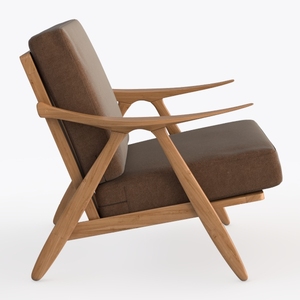
Lexicon Mid Century Modern Accent Chair, Faux
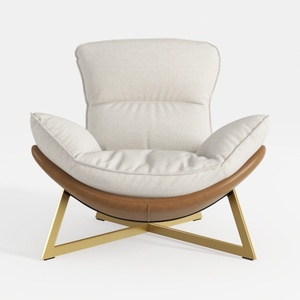
Modern Linen Leather Gold Metal Accent Armchair 3D Model

Minimalist Solid Oak Fabric Upholstered Dining Chair 3D Model
Whether you're a seasoned designer or just starting out, Homestyler makes home design effortless and fun. With its user-friendly online design tool, stunning 3D renderings, and a wealth of DIY video tutorials, you'll bring your vision to life in no time. Explore, create, and transform your space today!
Projete agora para LIVRE
































