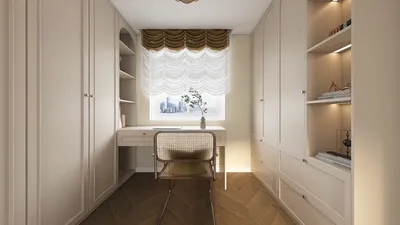


Lately, I've observed a significant resurgence of the Southwest living room style, characterized by its earthy tones, rich textures, and artisanal elements. In my design endeavors, I’ve discovered that compact spaces often inspire greater creativity, making Southwest aesthetics particularly effective in such settings. Today, I want to share ten decorating ideas for a Southwest-inspired living room, drawn from hands-on projects and established design strategies, to help you blend cozy warmth with a classic look in your own home—using tools like Homestyler can enhance this process.
1. Earthy Color Scheme
My Approach: I typically initiate a Southwest-themed room with a color palette featuring terracotta, sandy beige, soft clay, and subdued turquoise shades. These hues instantly root the room in a warm, natural feel.
Benefits: Such palettes radiate warmth and harmonize beautifully with sunlight, resulting in a welcoming atmosphere. The National Kitchen & Bath Association notes that warmer tones often enhance feelings of comfort.
Drawbacks: However, too much brown or orange can darken a small space. I often balance this out by introducing white or ivory highlights.
Suggestion: A terracotta accent wall is an economical choice that can transform the atmosphere with ease. In a recent project, I combined it with an L-shaped sofa design to optimize seating and spatial flow.
2. Layers of Textiles
My Approach: Textiles are fundamental to Southwestern design—think woven rugs, patterned blankets, and embroidered cushions. I particularly enjoy blending Navajo-inspired designs with softer fabrics.
Benefits: Layering various patterns offers depth and uniqueness, helping to define areas in open layouts while simplifying seasonal changes in decor.
Drawbacks: However, cramming too many intricate prints can overwhelm a room. I usually stick to two main patterns and offset them with solid colors.
3. Wooden Accents
My Approach: Incorporating exposed beams or rustic wooden coffee tables lends authenticity and stability to a Southwest-themed lounge.
Benefits: Wood not only introduces texture and warmth but is also sustainable and complements numerous design styles.
Drawbacks: Heavy solid wood can be visually overpowering in small rooms, so I prefer lighter finishes for compact spaces.
Example: In a loft in Phoenix, I paired a distressed oak table with open shelving, fostering warmth while maximizing wall space.
4. Plaster Walls Inspired by the Desert
My Approach: I have utilized plaster or faux plaster finishes to reflect the charm of adobe in contemporary homes—it's subtle yet impactful.
Benefits: This adds both visual and tactile interest, imparting a handcrafted essence to your walls. It works wonderfully with both rustic and polished furniture.
Drawbacks: Real plaster can be a costly and labor-intensive material. A faux finish using paint can be a more cost-effective alternative.
5. Artisan Pottery and Art
My Approach: I love incorporating local handcrafted pottery and wall artwork to bring authentic character to spaces, often featuring elements like turquoise glazing.
Benefits: Such unique pieces infuse the environment with individuality and help support local artisans.
Drawbacks: Quality artisan items can be pricey; I balance these with more affordable options.
6. Exposed Brick or Stone
My Approach: Integrating natural stone or brick adds a rugged desert aesthetic and weight to the decor.
Benefits: These materials are durable, timeless, and pair well with wooden and textile components. Architectural Digest indicates that natural materials can increase property market value.
Drawbacks: Installation can be labor-intensive, possibly unsuitable for renters.
Example: A partial stone fireplace can serve as a striking focal point when harmoniously arranged with rustic furniture.
7. Decorative Baskets
My Approach: I often display woven baskets as wall art in clusters, providing an affordable yet bold nod to Southwest culture.
Benefits: Baskets contribute organic appeal and are light, making them easy to rearrange.
Drawbacks: They require regular cleaning in dusty areas to maintain their charm.
8. Central Fireplace
My Approach: Whether traditional kiva-style or contemporary, a fireplace is essential for a cozy Southwest atmosphere. Even electric models can serve well in limited spaces or budgets.
Benefits: It brings both physical and aesthetic warmth, creating a central area for social gatherings.
Drawbacks: In smaller rooms, it might overpower the space, so I integrate built-in shelving to maintain balance.
9. Leather and Suede Finishes
My Approach: I appreciate a distressed leather armchair paired with soft suede cushions, offering a blend of ruggedness and comfort.
Benefits: Leather is durable, easy to clean, and develops an attractive patina over time.
Drawbacks: High-quality leather can be pricey and may not be ideal in hot climates, hence light throws are useful for year-round comfort.
Tip: For smaller areas, combining one notable leather chair with a fabric sofa can strike a harmonious balance—similar to how I styled a project, bridging warmth between kitchen and living space with wood accents.
10. Cacti and Succulents
My Approach: Bringing in real or high-quality artificial cacti instantly channels the essence of the desert indoors.
Benefits: They are low maintenance and add sculptural appeal, blending seamlessly into the minimal yet rich Southwest vibe.
Drawbacks: Careful placement of larger cacti is crucial to prevent overcrowding or safety concerns for children and pets.
Example: Grouping small succulents on a floating shelf brings life to the decor without creating clutter.
Conclusion
Designing a Southwest living room revolves around intentional choices, especially when space is limited. It's not about constraints but about fostering warmth, texture, and personal storytelling within your residence. As House Beautiful mentions, merging traditional elements with modern adaptations keeps aesthetics timeless. Which of these concepts are you eager to implement in your living area? Consider utilizing Homestyler for visualizing these changes in your space.
Frequently Asked Questions
Q1: What characterizes a Southwest living room?
A: It integrates earthy hues, natural materials, and regional artisan influences inspired by the American Southwest.
Q2: Can I achieve Southwest style in a compact apartment?
A: Definitely—emphasize key elements like textiles and color palettes while avoiding bulky furniture.
Q3: How do I blend modern designs with Southwest influences?
A: Merge streamlined furniture with rustic materials and regional artwork to create a cohesive look.
Q4: Is leather furniture essential in Southwest decor?
A: It's not essential, but distressed leather can enhance authenticity; fabric alternatives can also provide warmth.
Q5: Are indoor plants significant in Southwest design?
A: Yes, cacti and succulents are excellent for complementing the style while adding visual interest.
Q6: How should I select wall colors for this style?
A: Opt for earth tones like terracotta, sandy hues, and muted turquoise. Warmer palettes are supported by the National Kitchen & Bath Association for their comfort-enhancing effects.
Q7: What's a cost-effective way to begin?
A: Start with textile updates, such as a patterned rug or wall baskets, which can make a significant impact for minimal expense.
Q8: Where can I visualize Southwest layouts using design tools?
A: You can utilize design software like Homestyler to explore visually striking room layouts before beginning your renovation efforts.
Looking to transform your home? Homestyler is your go-to online design platform! With its user-friendly design tool, stunning 3D renderings, diverse design projects, and helpful video tutorials, you can effortlessly create and visualize your dream spaces. Start designing today!
Design Now for FREE
































