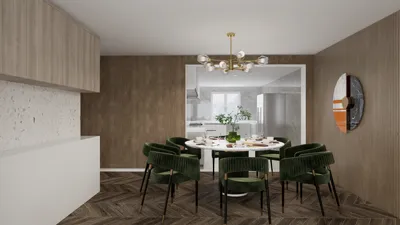


A client once requested a wet bar that could cleverly hide behind a painting while also chilling rosé, all incorporated into the same wall. Although I didn’t create a secret door, that innovative request truly inspired a wave of concealed wet bar solutions that I still implement today. If you're dealing with limited space in your kitchen, it's wise to explore layout ideas early on to avoid hours of awkward measurements and regrets of layout decisions.
1. Under-Counter Wet Bar with Wine Fridge
Transforming a spare counter area into a wet bar by integrating a mini sink and an under-counter wine fridge into the cabinetry is something I truly appreciate. This design is efficient, simplifies plumbing, and seamlessly blends with the kitchen, making it feel like a built-in feature rather than an afterthought. The trade-off might be a reduction in prep space, but this can be balanced with a pull-out cutting board or a mobile cart.
save pin
2. Corner Nook with Floating Shelves
Corners often go unused; I transformed one into a charming beverage nook featuring open floating shelves and a compact prep sink. The open shelving allows you to showcase glassware while creating a lighter aesthetic in smaller spaces, although this arrangement does require more frequent tidying and styling. It’s an ideal setup for those who prefer a relaxed, display-oriented atmosphere.
save pin
3. Appliance-Integrated Linear Bar
Do you have a long wall? Arranging a bar with a small dishwasher drawer, a built-in espresso machine, and an under-counter fridge yields a cohesive, integrated look. This design not only appears stylish but also offers remarkable functionality in narrower kitchens. For those who plan meticulously, utilizing 3D floor plan simulations is invaluable to confirm clearances and appliance placements before making any orders.
save pin
4. Island Pull-Out Wet Bar
If your kitchen features an island, incorporating a pull-out or fold-down wet bar module can significantly enhance your entertaining experience. It provides full access to counter space when you require it while providing discreet storage when not in use. However, expect increased complexity in mechanics, which could lead to higher initial expenses and consideration for hardware durability.
save pin
5. Pantry-to-Wet-Bar Conversion
Transforming a shallow pantry into a wet bar stands out as one of my favorite budget-friendly solutions. By adding a compact sink, a few electrical outlets, and layered lighting, you've created a designated service area. While it may be a bit cramped for multitasking, it excels for serving and mixing. For bold layout ideas, I sometimes leverage AI-driven suggestions, such as those from Homestyler, to excite the imagination and help clients visualize avant-garde concepts.
Across all these designs, I emphasize an efficient workflow: the fridge, sink, prep area, and storage should be conveniently located. Material selection is crucial as well — I often opt for quartz or treated wood around sinks for easy maintenance. From a budget perspective, plumbing lines and specialty appliances tend to be the most significant cost factors, so prioritizing those elements in your planning is essential.
save pin
Tips 1:
Ensure that hardware is easily accessible, focus on concealed storage for glassware, and choose finishes that stand up to moisture. If you rent, look for modular or removable solutions so you can easily transport your bar when moving to a new location.
save pin
FAQ
Q1: What distinguishes a wet bar from a dry bar?
A wet bar is equipped with a sink and plumbing, whereas a dry bar lacks these features. Wet bars are generally more functional for drink preparation but necessitate plumbing work and certain waterproof finishes.
Q2: How much space is necessary for a basic wet bar?
You can fit a functional wet bar into a space as small as 24–36 inches wide if you opt for compact fixtures. Remember to allow clearance for doors and at least 30 inches of depth for a comfortable work area.
Q3: Is installing a wet bar costly?
Costs can vary significantly: a basic under-counter fridge and prep sink can be quite affordable, while fully integrated appliances and plumbing reroutes can add to the budget. Planning your plumbing early is key to avoiding unanticipated expenses.
Q4: What materials are most resistant to moisture?
Engineered stone, stainless steel, and sealed solid woods are excellent choices for areas near sinks. Be cautious of untreated softwoods, as they can swell and stain over time.
Q5: Can I include a wet bar in an open-plan living area?
Absolutely — it can be hidden within a credenza, island, or built-in cabinet. Pay attention to sound control (especially with dishwashers) and visual transitions to ensure the bar appears intentional rather than an afterthought.
Q6: Is it difficult to install plumbing in existing homes?
If you place the sink close to existing water lines, the installation can be straightforward. However, significant reroutes and the addition of drains can be more expensive and may require a permit in many regions.
Q7: What safety tips should I consider for wet bars?
Ensure electrical outlets near the sink are GFCI protected, properly secure glassware storage, and utilize slip-resistant flooring materials. Regularly inspect seals around sinks to prevent hidden leaks.
Q8: Where can I find design advice for kitchen layouts?
Comprehensive standards and layout recommendations can be sourced from the National Kitchen & Bath Association (NKBA), which publishes guidelines on recommended clearances and optimal workflow practices (check out https://nkba.org).
save pin
Discover Homestyler, the ultimate online home design platform! With its user-friendly design tool, stunning 3D renderings, and a wealth of design projects and DIY video tutorials, you'll effortlessly transform your living space into your dream home. Start creating today!
立即免费设计
































