

I have created numerous compact apartment designs where the television often serves as the central visual element. The objective is to design a living area that feels spacious, functions effectively, and still allows for enjoyable movie nights. In limited spaces, factors such as sightlines, lighting, and the geometry of the furniture become more critical than the actual square footage.
Research indicates the importance of comfort and viewing ergonomics. Studies by Steelcase have linked proper posture support and visual clarity to prolonged comfort during seated activities, including entertainment. Ensuring the right seat depth (ranging from 18 to 22 inches) and proper lumbar alignment can significantly minimize strain during extended viewing sessions. Furthermore, the Illuminating Engineering Society advises that living rooms should have ambient lighting levels between 100 and 300 lux, combined with glare control and additional task lighting; this approach helps in managing screen contrast while maintaining a pleasant atmosphere. WELL v2 guidelines underline the necessity for adjustable lighting and low-glare techniques to combat eye fatigue, particularly when the TV is the focal point.
The psychology of color plays a vital role in the ambiance of small spaces with screens. As highlighted by Verywell Mind, using cooler shades (such as soft blues and muted greens) can create a calming effect and visually expand the room. When these hues are paired with warm, adjustable accent lighting, they establish a harmonious environment that complements the TV's brightness. From my experience, I prefer using a subdued base color palette, introducing warmth through textiles and lamp shades, while restricting darker accent colors to a maximum of 10-20% to avoid overwhelming the space.
Establishing Sightlines and Proportions
Begin by verifying the appropriate viewing distance. An effective guideline is to maintain a distance of 1.5 to 2.5 times the screen’s diagonal measurement. For a 55-inch television, this equates to approximately 6.9 – 11.5 feet. In confined spaces, it’s reasonable to angle seating instead of positioning a sofa directly opposite the TV, especially if architectural features such as radiators or door swings dictate the layout. Ensure the TV is positioned at or just below 42-48 inches from the finished floor to align with average eye level when seated; you may need to adjust by a few inches if you have specially designed media benches. For more complex layouts, utilizing a room layout tool, like Homestyler, can assist in visualizing furniture placement, clearances, and depth for media walls.
Employ a Varied-Depth Media Wall
Incorporating shallow storage along with a recessed TV niche provides a contemporary look that feels less cumbersome. Aim for cabinet depths of 8 to 12 inches, with the TV niche set back accordingly by 1 to 2 inches to hide cables and enhance aesthetics. Introducing a fluted or slatted wood panel can add an appealing vertical element and conceal the brackets for soundbars. Ensure the total unit composition adheres to the visual thirds principle, with a consistent top line around two-thirds of the wall height to maintain visual balance.
Optimizing Floating Furniture and Slim-Line Designs
Mount the television on the wall and utilize a floating console to maximize visible floor space, tricking the eye into perceiving a larger area. Select sofas with slim legs and open-arm lounge chairs to preserve unobstructed sightlines. Employ nesting coffee tables or drumming-style tables for flexible arrangements when entertaining. Remember the importance of adequate space: maintain a clearance of 30-36 inches around seating areas and 16-18 inches between the front of the seats and table edges for ease of access.
Strategic Lighting That Enhances Screen Viewing
The ambient lighting should remain soft and evenly distributed—consider using diffused ceiling lights or wall-wash fixtures. Position one or two dimmable lamps behind or near the seating area to direct light toward viewers while minimizing contrast with the television. Keep task lighting away from the direct screen path to avoid reflections; using matte shades and bulbs emitting between 2700 to 3000K creates a soothing evening atmosphere. For further assistance, refer to IES ranges for living spaces, which establish baseline lighting expectations, while WELL v2’s glare standards advocate for the use of diffusers and indirect lighting sources.
Acoustic Comfort Without Clutter
Compact rooms can often create reflective sound issues. Use a combination of soft and hard surfaces such as a thick rug (with an 8-10 mm pile), lined curtains, and upholstered seating to balance out the wood and plaster components. Displaying books and decorative items on the media wall serves dual functions of light diffusion and basic sound absorption. To prevent booming bass, ensure that subwoofers are placed at least 8-12 inches away from corners, adjusting their position by ear before finalizing their setup.
Color Schemes for Space and Screen Harmony
Select a low-contrast backdrop for the TV to minimize the perception of halos. A mid-tone neutral paint on the media wall (with an LRV of 35-45) helps absorb light effectively, while adjacent walls can be slightly lighter to create an illusion of expanded width. Utilize a consistent accent color throughout soft furnishings to avoid visual distraction. If depth is desired, consider painting window reveals in a slightly darker shade; this can enhance the perception of space without crowding the screen area.
Adaptable Seating for Daily Use and Guests
Incorporate modular poufs and a lightweight lounge chair that can easily be repositioned for viewing or social settings. A slim bench under a window can function as additional seating and storage. Limit the number of bulkier furniture pieces to two or three; for anything beyond that, opt for mobile elements. The aim is seamless reconfiguration without the hassle of moving heavy furniture whenever movie night rolls around.
Clever Storage Solutions That Conceal Clutter
Install vertical storage at heights above 72 inches where visual clutter is less easily noticed. Create inconspicuous storage space through a shallow drawer system for remotes and charging devices. Media consoles and cable boxes can be housed within ventilated cabinets, featuring discreet slots at the rear for clean cable management. If echoes are a concern, integrating acoustic mesh within fabric-fronted doors can provide an elegant solution.
Mounting and Wiring Fundamentals
Ensure the TV mount is anchored properly to the wall studs or employ a rated wall system. Allow for a 2-inch space behind panels for HDMI cables and power lines; designate an extra conduit for future devices. Conceal power outlets behind the television and route low-voltage cables separately to minimize interference issues. For those renting, a low-profile stand with a VESA mount and a cable spine can create a near-floating appearance without any drilling required.
Balancing Natural Light and Screen Visibility
While daylight is invaluable, it must be moderated. Layer sheer roller shades with heavier drapes for a soft, inviting feel in the daytime, while providing blackout options in the evening. Place the television at a right angle to the primary window if feasible; if not, utilize matte screen finishes and carefully angled lamps to prevent direct reflections. A simple effectiveness test involves pausing a brightly lit scene and observing the room—any reflections should be diminished or redirected.
Compact Living Room Layout Suggestions
Consider placing the television within a mixed-media gallery to create an atmosphere where the screen blends with artwork, reducing its visual prominence. A two-seat sofa sized between 70-72 inches facilitates open pathways.
In uniquely shaped rooms, wall-mounting could free up the longest section for additional seating. A swivel arm allows the screen to pivot toward the sofa before being tucked away to minimize visual clutter.
For a streamlined look, short-throw projectors can be effective on light-gray walls with matte finishes. With a bench to store equipment, the profile can remain sleek and subdued.
A single area rug can delineate the seating space, complemented by both a floor lamp and a table lamp to create a cozy atmosphere around the viewing zone.
Material Choices and Sustainability Considerations
Select low-VOC finishes and cabinets constructed from FSC-certified woods. Utilizing recycled fabric blends for upholstery can enhance durability while minimizing environmental impact. To mitigate potential heat buildup from electronics, passive venting through hidden slots helps maintain optimal temperatures, while avoiding foam-based acoustic treatments near any electronic devices.
Understanding Ergonomics and Human Factors
Aim for seating heights between 17 and 19 inches to accommodate most adults comfortably; pair this with back cushions that support the upper body rather than just the lower back. Arm heights that facilitate remote control usage or occasional laptop tasks should be in the range of 24 to 26 inches. Ensure the walkways remain consistent to reinforce movement patterns—people naturally navigate along clear, well-lit paths, so avoid placing tall decor in these transition areas.
Checklist for Creating a Chic, Compact TV Living Space
- Validate viewing distances and mounting height
- Incorporate layered ambient and task lighting with dimmers
- Mitigate glare using matte finishes and mid-tone wall color
- Float furniture to enhance perceived floor area
- Maintain clearances: circulate 30-36 inches and reach 16-18 inches
- Merge storage solutions with cable management systems
- Achieve acoustic balance using textiles alongside hard materials
- Adopt a singular accent color for simplicity and coherence
Frequently Asked Questions
Q1: What’s the ideal viewing distance for a 50-55 inch television in a small living room?
A1: Aim for a distance of 1.5 to 2.5 times the diagonal measurement. For a 55-inch TV, approximately 6.9 to 11.5 feet will ensure clarity without straining your eyes.
Q2: What type of lighting is best for comfortable TV viewing in my living room?
A2: The Illuminating Engineering Society recommends ambient light levels between 100 and 300 lux. Utilizing dimmable lamps and soft, indirect lighting can keep you within this range while minimizing glare.
Q3: Which wall color is effective at reducing glare on the TV screen?
A3: Mid-tone neutrals with an LRV of 35 to 45 on the media wall absorb more light than bright whites, thereby diminishing reflective glare.
Q4: Is a soundbar adequate for sound in a compact apartment setting?
A4: In many cases, yes. Pairing a quality soundbar with a compact subwoofer positioned at least 8-12 inches from corners can effectively manage sound without overwhelming the space. Adjustments should be made by ear to avoid bass buildup.
Q5: What furniture dimensions work best for compact spaces?
A5: Sofas ranging from 70 to 80 inches wide, with seat depths of 18 to 22 inches and slim legs are ideal for keeping spaces light. Ensure circulation clearances of 30 to 36 inches are observed.
Q6: How can I minimize window reflections on the TV screen?
A6: Place the TV perpendicular to the windows, use sheer roller shades for daytime diffusion, and angle lamps to prevent direct light onto the screen surface.
Q7: Should I choose cool or warm colors for my small living room?
A7: Cool, muted shades can help walls recede visually, while warm lighting from lamps and textiles creates a welcoming atmosphere. Utilizing a combination of cooler walls with warm lighting maximizes balance.
Q8: What height should I aim for when mounting the television?
A8: Center the screen at, or slightly below, 42-48 inches from the floor to align with seated eye level, making adjustments if there’s a thicker media bench involved.
Q9: Is it possible to incorporate storage without overcrowding the room?
A9: Absolutely—by using shallow cabinets (8-12 inches), floating consoles, and high vertical storage options, you can maintain an open floor appearance.
Q10: How can I efficiently plan a layout around doors and radiators?
A10: Leverage a layout simulation tool such as Homestyler to visualize clearances and viewing angles, adjusting seating arrangements by angling furniture as needed rather than adhering to a rigid layout.
Originally incubated at Autodesk, Homestyler has grown into one of the most widely adopted home design platforms in the world, now trusted by over 18 million users. Whether you're a homeowner exploring ideas or a professional designer delivering client-ready renders, Homestyler brings industry-leading 3D technology to your fingertips — no experience required.

Minimalist Fluted Solid Wood 6 Drawer Dresser 3D Model

Minimalist Japandi Solid Oak Rattan Coffee Table 3D Model
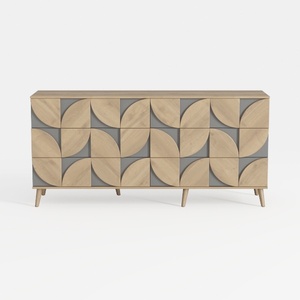
Modern Geometric Pattern Solid Wood Sideboard Cabinet 3D Model
Homestyler is your ultimate home design companion! This user-friendly online platform offers a powerful design tool, stunning 3D renderings, diverse design projects, and helpful video tutorials. Whether you're a beginner or a seasoned designer, Homestyler makes it easy and enjoyable to transform your space beautifully.
Дизайн сейчас бесплатно
































