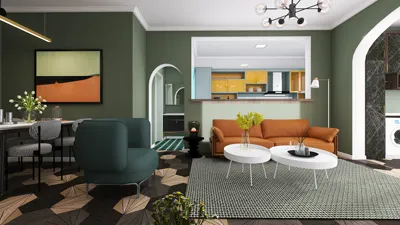


In my work, I’ve crafted numerous compact living spaces where efficiency is key. The essence of smart storage solutions in small apartments goes beyond merely fitting in more cabinets; it involves creating a harmonious flow and balance between open and closed storage systems. The ideal layout fosters daily activities while minimizing visual clutter, providing a sense of serenity and spaciousness, even within limited square footage. Utilizing a tool like Homestyler can help in visualizing such designs effectively.
Research underlines the benefits of thoughtfully arranged storage. For instance, studies from Steelcase indicate that minimizing visual chaos and enhancing organization can significantly boost cognitive functioning and lower stress levels in work environments. Similarly, the WELL Building Standard v2 highlights the importance of clutter-free and easy-to-navigate areas to promote mental health and comfort. I employ these principles when designing small apartments to create storage solutions that not only accommodate belongings but also enrich everyday life.
Understanding the psychological effects of color is crucial. According to studies reported by Verywell Mind, using muted and cooler tones can create a calming atmosphere in small rooms, while vibrant accents can invigorate specific areas meant for quick tasks. Combining these colors with glare-reducing lighting in line with IES recommendations ensures that organization remains visible without causing eye strain.
Establishing a Central Storage Hub
In smaller apartments, implementing a centralized storage solution—a continuous wall or built-in that encompasses entryways, living areas, and dining spaces—can dramatically reduce furniture clutter and create a clean, organized space. I typically advocate for a 60/40 ratio of closed to open storage: closed compartments for bulkier items and open shelving for frequently accessed or decorative objects. Consistency in depth (usually around 12 to 16 inches) is essential to facilitate smooth movement and clear sightlines.
Entryway Essentials: Collect, Conceal, Depart
The entryway serves as a buffer for everyday clutter. Installing a shallow cabinet topped with a tray for keys, a discreet bin for mail, and vertical hooks hidden behind a sliding panel can be incredibly effective. A pull-out drawer for shoes, designed for ventilation, and a narrow bench with concealed storage can encourage the habit of tidying up immediately upon entering.
Floating Furniture: Liberate Floor Space
Wall-mounted consoles and floating nightstands create an illusion of space by lifting storage off the ground. Utilizing continuous wall rails allows users to adjust components based on evolving needs. In the living room, a floating shelf for media devices, complete with concealed cable management and a hinged compartment, keeps technology accessible while maintaining a tidy aesthetic.
Dual-Function Furniture: One Piece, Multiple Uses
Choose an ottoman that doubles as a coffee table or a dining table with a flip-down leaf that houses flatware and napkins. In studio apartments, a platform bed with built-in drawers along one side can be a fantastic space saver; just ensure clearances range from 24 to 30 inches to avoid cramped walking paths.
Maximize Vertical Space: Build Up, Not Out
Extend your storage solutions to the ceiling with ladder-style shelving, incorporating a top row for seasonal bins that aren’t accessed frequently. Close off the highest 12 to 16 inches for a sleek look. In galley kitchens, consider full-height pantries fitted with pull-out drawers to enhance storage capacity without increasing cabinet size.
Behavior-Based Storage: Optimize Daily Activities
Group storage by behavior instead of traditional room classifications. For instance, create a breakfast zone with a narrow pantry pull-out next to the kettle, or designate space for a workout mat that hides under the sofa. Labeling storage by action—like 'brew,' 'stretch,' or 'organize'—makes it intuitive for everyone to return items to their respective spots.
Lighting, Glare Management, and Clarity
Storage solutions should be easily identifiable. Implement task lighting within wardrobes and pantries that provides 300–500 lux using warm-neutral 3000–3500K LEDs. Opt for matte finishes to minimize glare on surfaces. A continuous under-cabinet lighting strip helps eliminate shadow areas where items may disappear.
Color Strategies and Visual Perception
Position large storage elements in low-contrast colors that are akin to wall shades, allowing them to blend in. Use small color accents—such as on drawer pulls or labels—at eye level for guidance. Avoid using heavily saturated colors on tall cabinets, as they can visually encroach upon the space, making it feel more confined.
Noise Control: Quiet Closets and Soft-Closing Mechanisms
In open-plan spaces, incorporating soft-close hinges and felt-lined bins can significantly reduce noise. Fabric fronts can dampen sound while concealing their contents. If a laundry unit is situated nearby, consider lining the surrounding cabinet with acoustic foam concealed behind a decorative panel to minimize machine noise.
Selecting Materials for Longevity and Calmness
Opt for durable, scratch-resistant materials like laminates or matte lacquers for cabinet doors, alongside powder-coated steel for framework. Choose breathable fabrics for closet baskets to combat mustiness. Ensure consistency in handle styles to maintain a unified aesthetic throughout the apartment.
Kitchen: Compact Solutions without Clutter
Utilize drawer organizers and shallow pull-out compartments to prevent deep, overlooked areas. A narrow rolling cart that fits beneath the countertop can serve as extra prep space. Use pot rails and magnetic strips strategically to avoid obstructing sightlines, and keep larger appliances hidden behind lift-up doors.
Bathroom: Efficiency Meets Order
Incorporate a mirror cabinet with built-in lighting and shallow shelves. A niche above the toilet, equipped with closed doors, can effectively conceal supplies. Use a slim, divided hamper to sort laundry in advance and avoid overflow.
Bedroom: Tranquil Storage for Peaceful Rest
In wardrobes, a combination of double-hanging sections and shallow drawers provides better organization than a single deep hang space. An internal light with a door-activated switch ensures visibility. Bedside shelves should be just deep enough for essentials, as anything more can lead to clutter accumulation.
Living Area: Adaptive and Discreet
Utilize a media wall with sliding slatted screens to hide devices while enabling remote access. A long, low credenza can store board games, linens, or a compact bar. Curation of decorative items to a single shelf and rotating them seasonally can help avoid overcrowding.
Optimizing the Layout for Better Functionality
Before acquiring additional storage, carefully revise the layout. Align taller storage units along a single wall to keep the opposite side open for circulation and natural light. For testing placements or furniture configurations, using a layout simulation tool like Homestyler can aid in visualizing potential changes without the hassle of physical rearrangements.
Room Layout Simulation Tool
Sustainability: Storing Wisely and Keeping Quality
Adjusting to the right level of storage promotes thoughtful ownership. Embrace modular storage solutions that allow for reconfiguration instead of replacement. When possible, select low-VOC finishes and sustainably sourced materials. Regularly decluttering—twice yearly—is sometimes the best storage strategy.
Establishing Lasting Maintenance Practices
Implement a brief five-minute clean-up at day’s end: clear surfaces, return items to storage zones, and manage laundry. A designated donation box placed in the entry can assist in keeping clutter at bay, as items can leave once the box is full. With good habits, even limited storage can feel expansive.
Frequently Asked Questions
My goal is to maintain a ratio of approximately 60% closed storage for bulk items and 40% open for display and daily necessities. It’s important to organize open shelving thoughtfully and keep it curated to maintain visual harmony.
Ensure lighting provides 300–500 lux using 3000–3500K LEDs for optimal color rendering while minimizing glare. Implement switches activated by doors for convenience only when accessible.
Utilize wall-matching neutrals for larger cabinets to ensure they blend in, while small, vibrant accents help guide users without overwhelming the visual space.
Cluster tall storage on one wall that runs perpendicular to windows, keeping opposing walls lower in height. Adding floating furniture can enhance light flow beneath pieces.
Practical multipurpose items like a platform bed with drawers, a multifunctional storage ottoman, and drop-leaf dining tables with integrated storage typically cover essential needs while avoiding unnecessary bulk.
In kitchens, integrate pull-out drawers, shallow organizers, and a slim rolling cart for optimal efficiency, ensuring infrequently used items remain stored at higher levels.
Incorporate quiet mechanisms like soft-close hinges and drawer slides, and utilize fabric fronts when feasible; also consider adding acoustic foam to laundry closets behind decorative panels to minimize noise.
Develop everyday habits such as a brief daily reset, creating action-labeled storage zones, and positioning a donation box at the entry to foster organization and discourage accumulation.
For optimal height management, use the top 12 to 16 inches for closed, seasonal storage, ensuring safe access with tools like a streamlined rail ladder or step stool.
Utilize a layout simulation tool to evaluate circulation patterns, storage layout, and multipurpose furniture before making any purchasing decisions to avoid costly errors.


Homestyler is your go-to online home design platform! With its user-friendly design tool, stunning 3D renderings, and a wealth of DIY video tutorials, you can effortlessly create and visualize beautiful interiors. Transform your spaces with inspiration and ease—perfect for all design enthusiasts!
Projete agora para LIVRE
































