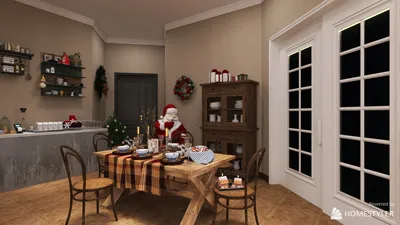


In my experience, I once bought what I believed to be a stylish modern sofa, only to realize on delivery day that it completely overwhelmed my compact living space — my partner affectionately dubbed it the ‘sofa island’. This mishap taught me the importance of scale; since then, I always utilize a 3D room mockup for planning before making any purchases. Navigating small spaces requires clever choices, and frankly, that's where the excitement lies.
1. Modular mini-sofas that adapt
I really appreciate modular furniture for smaller areas because they allow you to alter the layout without needing to buy new items. A two-piece modular can serve as a loveseat now and transform into a sectional later. Some of these modules can even fit snugly beneath windows.
Advantages include versatile seating, ease of movement, and they are ideal for renters. The main consideration is to select modules with a consistent depth to ensure the arrangement appears cohesive.
save pin
2. Slim-profile sofas with raised legs
One of my favorite strategies is to use sofas with narrow arms and exposed legs — they create a lighter appearance in the room and allow the eye to look underneath, enhancing the perception of space. I once replaced a bulky sofa with a slim-legged version, and instantly the room felt much airier.
The benefit is a visually larger space and easier cleaning underneath. However, thinner padding might not be as plush, so always test for comfort first.
save pin
3. Sofa-beds and storage double-duty pieces
For homes that need to be guest-ready in a compact setup, a modern sofa that converts into a bed or offers storage is invaluable. I often incorporate this with the Homestyler layout tool when arranging tight spaces to ensure the pull-out functionality doesn’t obstruct traffic flow.
Why recommend this? It maximizes functionality within a small footprint. Just be cautious: mechanisms can add weight and sometimes increase costs, so keep that in mind when budgeting.
save pin
4. Sectional with a short chaise as a room divider
In open-plan studios, I utilize a compact sectional with a short chaise to create designated living areas without the need for walls. This approach effectively defines seating while maintaining open sightlines to the kitchen or dining space.
The advantages include creating defined spaces and adding informal lounging options. However, ensure the chaise depth fits your room to avoid disrupting flow.
save pin
5. Built-in banquette or custom sofa nooks
My top choice for small spaces is a built-in banquette placed along a window or in a corner. It can be custom-fitted to the room's dimensions and may include drawers underneath for storing blankets or books. In multifunctional homes, I often align the seating with the open-plan kitchen design to create a sense of connection between cooking and relaxing.
Benefits include a tailored fit, excellent storage capacity, and high comfort. The downside is that it requires more initial effort and potentially higher costs, but the long-term benefits are worth it.
save pin
Tips 1:
Always measure twice, create a visualization in 3D, and choose one multifunctional piece as your central feature. Small rooms often achieve their best look when balancing size with light materials.
save pin
FAQ
Q1: What sofa size is best for a small living room?
A: Opt for a sofa that leaves at least 60–90 cm (24–36 inches) for circulation around main pathways. A compact two-seater or apartment-sized sofa (approximately 140–180 cm wide) is usually a great choice.
Q2: Are modular sofas good for tiny spaces?
A: Absolutely. Modular sofas provide the flexibility to remove sections to liberate space or rearrange them for guests. Their adaptability is particularly advantageous as your needs evolve over time.
Q3: Should I opt for a sofa-bed or a separate sofa and guest bed?
A: If you host occasionally, a sofa-bed is a fantastic space saver and keeps the room versatile. For frequent visitors, a separate bed might offer more comfort but will require additional storage for bedding.
Q4: What fabric is best for a small home with pets?
A: Choose tightly woven, low-pile fabrics like microfiber or performance blends—these are claw-resistant and easier to clean. Removable covers are also a significant advantage.
Q5: Can colors influence how large a sofa appears?
A: Definitely. Sofas in lighter, neutral tones and subtle patterns tend to feel less cumbersome; darker colors can anchor a room but might make it feel smaller, especially on a large piece.
Q6: How can I incorporate storage without cluttering the sofa area?
A: Opt for sofas that come with built-in drawers or position a slim console behind the sofa for storage. Floating shelves and nesting tables are also great options to keep the floor area uncluttered while adding functionality.
Q7: Is there a standard guideline for furniture spacing?
A: Yes — design guidelines from the American Society of Interior Designers (ASID) suggest maintaining 18 inches (about 45 cm) between a coffee table and sofa to ensure comfortable movement and accessibility (consult ASID resources).
Q8: Is custom seating worth the investment for a small space?
A: If your layout is atypical or you require built-in storage, custom seating can be a cost-effective solution over time since it effectively utilizes every inch. For renters, consider semi-custom options that are easier to move.
save pin
Discover the ease of home design with Homestyler! This user-friendly online platform offers powerful design tools, stunning 3D renderings, and a wealth of DIY video tutorials. Whether you're a novice or a pro, Homestyler inspires creativity and helps you transform your space effortlessly.
Progetta ora GRATIS
































