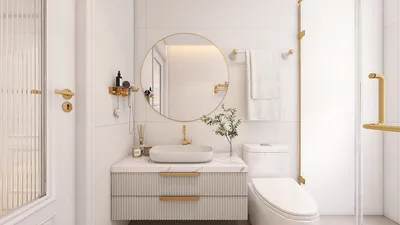


I still chuckle at the client who wanted a cabinet capable of concealing his surfboard, golf clubs, and wine collection all at once. This unique request pushed me to rethink cabinet designs for compact homes and led to the understanding that a smart cabinet can do more than just store items; it can transform the functionality of a small space. Initially, I utilized a kitchen layout planner to experiment with pull-out compartments and to fit sinks into unusual corners, ultimately sparing us a costly remake.
1. Slim vertical cabinets: maximize vertical space without expanding horizontally
I am a fan of tall and narrow cabinets, particularly in slim kitchens and entryways. They efficiently utilize vertical space while keeping the floor area clear. Ideal for storing brooms, baking sheets, and various pantry ingredients, these cabinets can feature adjustable shelves that adapt to your changing needs. However, keep in mind that the limited width might restrict large appliances, so consider your storage requirements—whether tall or wide—before making a decision.
save pin
2. Corner carousels: utilize difficult corner spaces
Incorporating a lazy Susan or a pull-out carousel can transform an otherwise dead corner into a highly efficient storage area. I recommended this solution during a studio renovation where a corner space was previously underutilized; it now accommodates pots and spices and has become enjoyable to use. While the hardware might be slightly more expensive, the time saved reaching for items is invaluable in a small kitchen.
save pin
3. Under-stairs cabinetry: creative storage solutions
For homes with stairs, the space underneath represents a treasure trove of potential for custom cabinetry, like drawers for shoes, a wine rack, or even a snug nook for pets. I once designed a pantry under the stairs that included slim pull-out trays, which turned out to be a favorite among the household. While this customization may come at a higher price, it significantly enhances both functionality and resale value. For tight floor plans, I often create layouts using a 3D floor planner like Homestyler to avoid unexpected challenges during construction.
save pin
4. Multi-functional islands: combining cabinet, dining, and storage
When space is tight, an island that serves as both a dining table and storage unit proves to be incredibly useful. I typically suggest adding locking casters for easy mobility and open shelving on one side for those frequently used dishes. However, be cautious as it might weigh down very small rooms; it’s important to maintain a balance in scale and lightness by opting for materials like acrylic or slender metal legs.
save pin
5. Integrated appliances and hidden fronts: achieving a sleek small-space aesthetic
Using panel-ready appliances and flush cabinet doors fosters a sense of calm in small rooms, giving the illusion of a larger and less cluttered space. For example, I once covered a washer-dryer with matching cabinet fronts so it seamlessly blended into the kitchen design. Keep in mind, accessibility for repairs is crucial—incorporate service panels or removable fronts in your plans and consider consulting a professional for appliance clearances. If you're interested in how AI can streamline conceptual options, tools like Homestyler can be invaluable for quick tests before finalizing materials.
save pin
FAQ
Q1: What cabinet type suits a tiny kitchen best?
A: Generally, tall vertical cabinets and slim pull-outs are the most effective as they optimize storage without occupying much floor space. It's important to prioritize adjustable shelving and deep drawers for pots and pans storage.
Q2: Are custom cabinets a worthwhile investment in small spaces?
A: Yes, custom cabinets can be beneficial as they maximize every inch of space and can adapt to awkward nooks. Although they may come at a higher cost, they can ultimately save money by preventing future modifications.
Q3: How do I ensure proper clearance and fit for appliances?
A: Take measurements of doors and appliances, and account for service clearance in your designs; using mock-ups or a 3D model helps prevent errors.
Q4: Can cabinet fronts conceal large appliances?
A: Yes, panel-ready appliances along with integrated fronts can create a seamless appearance, but make sure to plan for accessibility for maintenance and adequate ventilation.
Q5: What materials are optimal for cabinets in compact spaces?
A: Lighter finishes and matte surfaces can diminish visual weight; materials like plywood or MDF with durable veneers provide a good cost-performance balance. Avoid elaborate profiles that can overwhelm a small space.
Q6: What strategies can enhance cabinet organization in cramped areas?
A: Consider utilizing pull-out trays, dividers, and racks mounted on doors; focus on verticality and opt for stackable containers to keep everything easily accessible and visible.
Q7: Are there safety codes regarding cabinet installations?
A: Yes, requirements for clearance and ventilation exist, particularly around cooking and refrigeration units. For the best practices in the industry, refer to the National Kitchen & Bath Association (NKBA) guidelines at nkba.org.
Q8: Can technology assist in designing more effective small-space cabinets?
A: Certainly! 3D modeling and AI tools like Homestyler can accelerate iterations and validate real-world scale, allowing you to quickly test different layout configurations. I frequently employ these tools to avoid unexpected outcomes during the construction phase.
save pin
Homestyler is your go-to online home design platform, perfect for anyone looking to create stunning interiors. With its user-friendly design tool, impressive 3D renderings, and a wealth of DIY video tutorials, you can effortlessly craft your dream space and explore endless design possibilities.
Design jetzt kostenlos
































