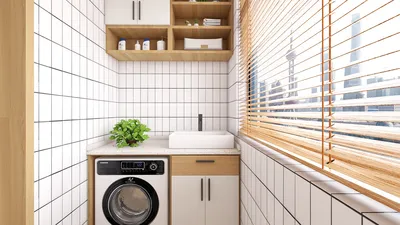


I once attempted to fit a rowing machine into my walk-in closet and quickly realized that while ambition can drive us, practicality must not be overlooked. That experience inspired me to adopt a healthier approach: crafting spaces that accommodate actual movement patterns instead of merely fantasizing about equipment. This led me to design a compact layout that combines cardio, strength, and stretching within a cozy 9 m² area. When faced with space constraints, it can be a powerful catalyst for creativity, guiding you toward smart design decisions.
Here, I present five actionable design ideas drawn from my experiences with tiny homes and studio constructions—each one stemming from real projects, budget-friendly assessments, and the essential compromises you should anticipate.
1. Fold-and-Store Equipment Zones
I am a fan of foldable treadmills, wall-mounted squat racks, and mirrored cabinets that conceal mats and resistance bands. The benefit is clear: the equipment becomes invisible when not in use, preventing your living room from turning into a storage area. However, the drawback is that you require sturdy mounting and a consistent routine for storing items, or they may spill back into your space.
Practical tip: allocate a vertical wall section with hooks and soft-close cabinets. This is inexpensive to create and offers tremendous visual tranquility.
save pin
2. Multi-Use Furniture as Fitness Anchors
Imagine a bench that also serves as shoe storage, or a lift-top coffee table designed for weights, or even a cabinet that functions as a step for box jumps—transforming furniture into workout essentials. I implemented these concepts in a client's studio: an ottoman that serves both as a core workout platform and additional seating for dinner parties.
This strategy is both cost-effective and stylish, though it may compromise the performance expected of specialized equipment—if you're training for a marathon, a hybrid yoga/HIIT setup might be more suitable than a purely professional configuration.
save pin
3. Defined Micro-Zones with Visual Cues
By painting a 1.2m strip of flooring in a contrasting shade, utilizing a different light fixture, or placing a distinctive mat, you can define a workout area without erecting walls. In one compact apartment layout I designed, a simple rug and a ceiling-mounted rail encouraged movement in a corner, avoiding clutter.
It’s an affordable strategy that can significantly influence behaviors; the only minor challenge is selecting durable materials, as high-traffic zones tend to wear down quickly.
save pin
4. Minimal Equipment, Maximum ROI
Concentrate on high-value items: adjustable dumbbells, resistance bands, a compact folding bench, and a suspension trainer anchored securely. These allow you to tackle strength, flexibility, and cardio without the need for excessive equipment. I always advocate for investing in one high-quality adjustable tool rather than multiple inexpensive, single-purpose items.
Budget tip: prioritize quality where load-bearing and mobility are crucial, while saving on aesthetic choices like mat color or organizational containers.
save pin
5. Layered Planning with Digital Mockups
Before making any physical changes, I create a quick digital sketch to assess clearances for swings, step-ups, and flows. A simple floor plan helps visualize door swings, furniture spacing, and the placement of a fold-down bar. This single step reduces trial-and-error and avoids costly mistakes.
Challenge: the initial digital draft may feel clunky, but adjustments can be made swiftly, and you'll appreciate fitting into the new arrangement right from the start.
Bonus pro tip: after finalizing the layout, utilize a 3D preview before purchasing substantial items. Visualizing size in 3D has prevented me and my clients from making oversized purchases. A straightforward 3D mockup can help avoid unexpected returns and simplify shopping choices.
save pin
FAQ
Q: Is it truly possible to achieve a full-body workout in a compact space?
A: Absolutely. By utilizing a circuit of bodyweight exercises, resistance bands, and adjustable dumbbells, you can effectively cover strength training, flexibility, and cardiovascular fitness in as little as 15 to 30 minutes. Consistency is much more important than square footage.
Q: What equipment should I focus on for a small home gym?
A: Begin with adjustable dumbbells, resistance bands, a foldable mat, and a suspension trainer or pull-up anchor. These essentials provide the highest variety of exercises per limited space.
Q: How can I manage noise levels for neighbors when working out in an apartment?
A: Opt for soft flooring surfaces, choose low-impact cardio options (like cycling or step-ups instead of skipping rope), and plan to engage in higher-impact workouts when you’re less likely to bother others.
Q: Is converting a small area into a workout space expensive?
A: Not necessarily—basic setups can be under $300, and intelligent storage or a few DIY shelves often cost less than professional installation. Make sure you prioritize quality on any weight-bearing equipment.
Q: What space is needed for yoga or mobility exercises?
A: Typically, a 2m x 1.2m area suffices for most flows and stretches. If you can roll out a standard yoga mat, you’re ready to go.
Q: How can I stay motivated in a small, versatile room?
A: Yes—employing visual cues, a consistent storage routine, and a short, tracked workout plan can greatly enhance motivation. I've observed clients remain committed simply by having a visible mat and utilizing a weekly calendar reminder.
Q: Are there safety considerations when anchoring equipment to walls or ceilings?
A: Certainly—always verify structural anchor points and, when uncertain, consult a professional to ascertain load ratings. Utilize toggle bolts for studs and avoid light drywall anchors for heavier items.
Q: What do reputable sources recommend regarding weekly exercise goals?
A: The American College of Sports Medicine (ACSM) suggests adults strive for a minimum of 150 minutes of moderate-intensity activity or 75 minutes of vigorous activity each week, along with strength-building exercises on two or more days (source: https://www.acsm.org).
Homestyler is your go-to online home design platform, perfect for both novices and pros. With its user-friendly design tool, stunning 3D renderings, a wealth of design projects, and informative video tutorials, you can effortlessly transform your home into a masterpiece. Start creating today!
Desain sekarang Gratis
































