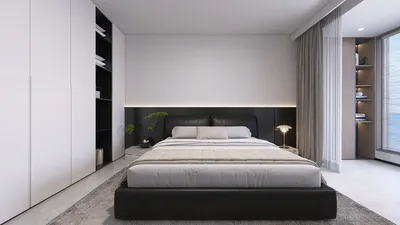


Once, I tackled a challenging tiny room where the client required two full beds simply because, as she put it, "my sister hates bunk beds." That week, I almost developed an appreciation for ladders! After rearranging the beds multiple times and drafting numerous sketches, I discovered that designing for small spaces often leads to more intelligent solutions rather than compromises. To illustrate how a minimalist layout can still feel open, I frequently direct clients to explore it in 3D using tools like Homestyler; the difference in visual perception is astonishing.
1. Loft one bed and place a living area or desk beneath the other
Lifting one bed to create a loft maximizes vertical space — I've managed to fit entire study setups and sofas underneath a raised bed more times than I can remember. This approach is particularly effective when there is ample ceiling height. The benefit is clear floor space and a well-defined area, while the downsides include cost and slightly diminished headroom underneath the loft.
2. Staggered bunks for enhanced privacy and flow
Rather than conventional stacked bunks, consider offsetting the beds so each has a small bedside shelf and some visual separation. This arrangement fosters privacy while improving circulation; however, be mindful of sound and light transfer — thin dividers or curtains can help, but they may encroach on available space.
save pin
3. Murphy bed paired with a fixed single (daybed) configuration
I favor a fold-down Murphy bed for one occupant combined with a permanent daybed for the other. This setup allows the room to serve an active social function during the day while ensuring everyone has their own mattress come night. It's budget-friendly if you select a straightforward Murphy mechanism; I typically advise clients to draft an uncomplicated layout plan initially to ensure the selected wall doesn't obstruct windows or doors.
save pin
4. Twin beds positioned on opposite walls with shared storage in the center
Placing twin beds on opposite walls keeps a clear path between doors while creating mirrored storage solutions — a central low dresser can support both sides. This approach is straightforward and cost-effective, but in narrower rooms, it can feel confined unless you utilize lighter colors or slim-profile furniture.
save pin
5. Trundle and pull-out platform for versatile sleeping arrangements
A standard bed with an under-trundle or a sliding platform provides two sleeping spots without permanent visual clutter — I implemented this in a rental context where one bed could be stowed away on weekends. It is economical and space-efficient, although mattresses on trundles tend to be thinner; for sustained comfort, consider investing in good-quality toppers and arranging nearby storage for bedding which aids in clever bed layouts.
save pin
Tips 1:
It’s crucial to measure accurately and outline circulation paths using painter’s tape directly on the floor — I often do this during on-site visits or create quick sketches. Budget-wise, emphasize investing in good mattresses instead of custom cabinetry; sleep quality should always take precedence over custom features.
save pin
FAQ
Q1: Can two adults sleep comfortably in a confined room? Absolutely, if you focus on mattress quality and thoughtful layout. Opt for twin XL or full-size beds and design circulation to ensure both individuals can access exits easily.
Q2: What types of beds maximize floor space? Loft beds, Murphy beds, and trundles are excellent options; lofts utilize vertical dimensions while Murphy beds clear the floor entirely during the day. Each option comes with its own set of trade-offs regarding cost, installation, and comfort.
Q3: What kind of clearance is needed between two beds? Aim for a minimum of 30–36 inches (75–90 cm) of unobstructed walking space in the primary circulation area; while less is feasible, it can feel cramped. I suggest marking this distance on the floor before purchasing any furniture.
Q4: Are bunk beds safe for adults? Bunk beds can be safe if constructed to support adult weight and installed correctly; however, ladder comfort and ceiling height are important considerations. For regular use, I often recommend staggered or reinforced designs.
Q5: Which mattress sizes are ideal for small shared rooms? Twin XL and full (double) beds are common choices — Twin XL offers extra length for taller sleepers while a full bed is snugger if additional width is necessary. Be sure to measure the room and doorways for hassle-free delivery.
Q6: How can I prevent a small shared room from feeling cluttered? Utilize built-ins or vertical storage options, employ consistent light colors, and choose multifunctional furniture like beds with storage drawers. Regularly decluttering belongings can surprisingly improve space; I recommend scheduling a quick clean-out with clients every season.
Q7: Do building codes dictate the size of bedrooms for two beds? Local regulations and occupancy standards vary; some areas set minimum room sizes and egress specifications, so it's wise to check relevant municipal guidelines before initiating major changes. For occupancy-related advice, consult your local housing authorities or HUD resources.
Q8: Where can I find help with layouts or mockups? If you're seeking quick 3D mockups or simple floor plans to explore ideas, online planners and creators can save considerable hours; consider using a 3D mockup for perspective or a free floor plan sketch to finalize measurements before making purchases.
save pin
Homestyler is your go-to online home design platform, perfect for transforming your space effortlessly. With its user-friendly design tool, stunning 3D renderings, a wealth of design projects, and informative video tutorials, you can easily create your dream home, regardless of your experience level!
Desain sekarang Gratis
































